Personalized Medical Care & Dedicated International Patient Concierge


Medical Guide
How Depression Therapy Works and When It Is Recommended
Learn how depression therapy works, when it is recommended, and which treatment options can help improve mental health and emotional well-being.
Schedule a ConsultationUnderstanding Depression: More Than Sadness

Depression is one of the most prevalent mental health conditions worldwide, yet it remains one of the most misunderstood. Many people assume that feeling persistently low, losing interest in activities they once enjoyed, or struggling to get out of bed is simply a matter of willpower. In reality, depression is a clinically recognized medical condition with measurable neurobiological, psychological, and behavioral dimensions.
In South Korea, growing awareness of mental health has led more people to seek proper evaluation and care. At Samsung Gonggam Psychiatry Clinic – Dongja Branch, located in Dongjak-gu, Seoul, the clinical team sees patients across the full spectrum of depressive illness — from mild persistent low mood to major depressive disorder (MDD) — and tailors treatment accordingly.
Depression commonly presents with a combination of the following symptoms lasting two weeks or more:
- Persistent low mood or feelings of hopelessness
- Loss of interest or pleasure in daily activities (anhedonia)
- Fatigue and changes in energy levels
- Sleep disturbances — either insomnia or excessive sleeping
- Difficulty concentrating, making decisions, or remembering
- Changes in appetite or body weight
- Feelings of worthlessness or excessive guilt
- In severe cases, thoughts of self-harm or suicide
If several of these symptoms are present, a structured psychiatric evaluation is the appropriate next step.
What Depression Therapy Involves
Depression therapy is not a single intervention — it is a carefully structured clinical process that typically combines psychiatric assessment, medication management, and evidence-based psychological support. The most effective approach depends on the nature, severity, and duration of a patient's symptoms, as well as their individual history and preferences.
Psychiatric Evaluation
The starting point of any depression treatment is a thorough diagnostic assessment. At Samsung Gonggam Psychiatry Clinic, this involves a detailed clinical interview covering mood history, symptom patterns, lifestyle factors, medical background, and any prior psychiatric treatment. Standardized rating tools may be used to quantify symptom severity and track progress over time.
This evaluation phase is not simply a formality — it shapes every subsequent decision in the treatment plan.
Pharmacotherapy (Medication)
For moderate to severe depression, antidepressant medication is often recommended as a first-line or adjunctive treatment. Modern antidepressants — including selective serotonin reuptake inhibitors (SSRIs) and serotonin-norepinephrine reuptake inhibitors (SNRIs) — are generally well-tolerated and supported by extensive clinical evidence.
Medication does not work immediately; most patients begin to notice meaningful improvement within two to four weeks of starting treatment. Dosage and choice of medication are individualized, and the prescribing psychiatrist monitors response and side effects throughout the process.
Psychological and Behavioral Support
Alongside or in place of medication — depending on the patient's profile — structured psychological approaches play a central role in depression therapy. Cognitive behavioral therapy (CBT), interpersonal therapy (IPT), and supportive counseling all have established evidence bases for depressive conditions.
These approaches help patients identify and modify unhelpful thought patterns, develop healthier coping strategies, and address interpersonal or situational factors contributing to their low mood.
Integrated Care Planning
At Samsung Gonggam Psychiatry Clinic, treatment planning is collaborative. Patients are involved in discussions about their options, and the clinical team takes into account not only symptoms but also work demands, family context, cultural background, and personal preferences. This is particularly relevant for international residents and expats in Seoul, for whom cultural sensitivity and clear communication are essential.
Who Is a Suitable Candidate for Depression Therapy?

Depression therapy is appropriate for a wide range of individuals. There is no threshold of severity that must be met before seeking help — early intervention often leads to better outcomes and prevents a mild depressive episode from becoming a prolonged one.
Candidates who commonly benefit from structured depression treatment include:
- Individuals experiencing persistent low mood for two or more weeks, even without a formal prior diagnosis
- Those managing stress-related burnout — occupational stress and emotional exhaustion can evolve into clinical depression without appropriate support
- Postpartum and perinatal patients — hormonal changes, life transitions, and sleep deprivation place new and expectant mothers at elevated risk
- People with recurring depressive episodes — those who have experienced depression before and recognize early warning signs
- Patients with co-occurring conditions — depression frequently accompanies anxiety disorders, sleep disorders, chronic pain, and ADHD; integrated care addresses both the primary and secondary conditions
- International residents and expatriates — cultural displacement, social isolation, and language barriers can amplify depressive symptoms; culturally informed psychiatric care is especially valuable in this context
A consultation with a psychiatrist is the only reliable way to determine whether a person's symptoms meet diagnostic criteria and which treatment pathway is appropriate.
The Treatment Process: What to Expect
Step 1 – Initial Consultation
The first appointment at Samsung Gonggam Psychiatry Clinic is a comprehensive intake session. Patients are encouraged to describe their symptoms openly and honestly. The psychiatrist will ask questions about duration, severity, daily functioning, sleep, and personal history. There is no judgment — the clinical environment is designed to foster trust.
Step 2 – Diagnosis and Treatment Planning
Following the assessment, the psychiatrist will discuss findings with the patient and outline a proposed treatment plan. This may involve medication, structured psychological support, or a combination of both. The patient's questions and preferences are considered before any treatment begins.
Step 3 – Ongoing Treatment and Monitoring
Depression treatment is not a one-time intervention. Regular follow-up appointments allow the psychiatrist to evaluate how the patient is responding, adjust medications if needed, and provide continuity of support through the recovery process.
Step 4 – Maintenance and Relapse Prevention
Once symptoms have substantially improved, the clinical team works with patients on maintaining wellbeing and recognizing early signs of relapse. For many patients, this phase is as important as the acute treatment period.
The Physicians Behind the Care
Dr. Cho Hyunwook | Representative Director
Dr. Cho is a board-certified psychiatrist and affiliated adjunct professor at Samsung Seoul Hospital, with a career spanning military psychiatry — including service as Army Chief of Psychiatry — as well as public and private clinical practice. His breadth of experience across different healthcare settings means patients benefit from both rigorous academic training and practical, real-world clinical insight.
Dr. Chae Soohyun | Director
Dr. Chae graduated from Seoul National University College of Medicine and is currently a PhD candidate. She completed her clinical training at Seoul National University Hospital (SNUH) and has specialized expertise in community mental health, child and adolescent psychiatry, and women's mental health. She previously served at the Seoul Sunflower Center and in a public health role in Mokpo City, and is available at the Dongja Branch from Monday through Thursday.
Together, the two physicians bring complementary expertise that allows the clinic to serve a broad patient population, including working adults, women at various life stages, younger patients, and those with complex or long-standing mental health needs.
Why Patients Choose Samsung Gonggam Psychiatry Clinic – Dongja Branch
A Name Built on Empathy
The word Gonggam (공감) translates to empathy in Korean. This is not a marketing concept — it defines the clinical culture of every consultation and interaction at the clinic. Patients frequently report that being heard and taken seriously is itself a meaningful part of their care.
Part of a Trusted National Network
The Dongja Branch is one of ten clinics within the Samsung Gonggam Psychiatry network, operating across Seoul, Suwon, Seongnam (Pangyo), Busan, Daejeon, Changwon, and Goyang. Patients can trust that standards of care are consistent and that board-certified specialists lead each location.
Comprehensive Scope of Treatment
Beyond depression, the clinic's psychiatrists treat anxiety and panic disorder, sleep disorders, bipolar disorder, adult ADHD, stress-related burnout, women's mental health concerns, and child and adolescent psychiatric conditions — enabling coordinated care when multiple conditions are present.
Accessible Location and Hours
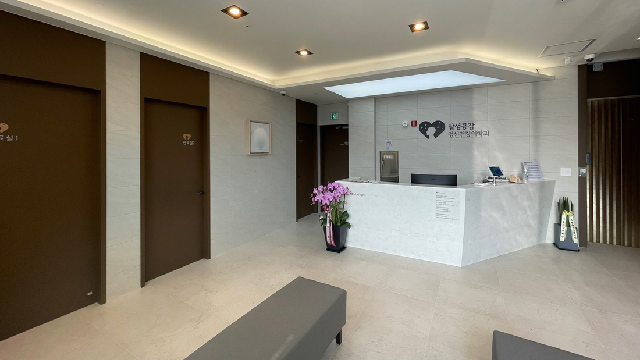
The clinic is located on the fifth floor of the Misarang Building, 345 Sangdo-ro, Sangdo-dong, Dongjak-gu, Seoul — approximately 248 meters from Sungsil University Station (Seoul Metro Line 7, Exit 3). It is open Monday through Friday from 9:30 AM to 6:30 PM, and on Saturdays from 9:30 AM to 2:00 PM.
Recovery, Safety, and Realistic Outcomes
Depression is a treatable condition. For the majority of patients who engage consistently with their treatment plan, symptoms improve meaningfully over weeks to months. Recovery is rarely linear — setbacks are common and expected — but with proper psychiatric support, most individuals can return to stable daily functioning.
Treatment with modern antidepressants is generally safe when prescribed and monitored by a qualified psychiatrist. Side effects, where they occur, are typically mild and manageable. The risk profile is always weighed individually against the potential benefit for each patient.
Long-term outcomes are best when treatment addresses not only immediate symptoms but also the underlying patterns — cognitive, behavioral, and situational — that contribute to depressive episodes. This is why the collaborative, personalized approach practiced at Samsung Gonggam Psychiatry Clinic matters: cookie-cutter treatment rarely produces lasting results.
Recovery also looks different for every individual. Some patients achieve full remission and discontinue treatment under medical guidance. Others benefit from longer-term maintenance care. The goal in all cases is not simply the absence of symptoms, but genuine improvement in quality of life.
Taking the First Step
Seeking help for depression is an act of self-awareness and courage, not weakness. At Samsung Gonggam Psychiatry Clinic – Dongja Branch, the clinical team is trained to create a space where patients feel safe, respected, and genuinely supported — from the first consultation through every stage of care.
If you or someone you care about is experiencing symptoms of depression in Seoul, a consultation with a board-certified psychiatrist is the most important first step toward understanding what is happening and what can help.
More Articles
Continue reading our clinical guides.

Adult ADHD in Women: Why It Is Missed & Clinical Evaluation
Why adult ADHD in women is often missed or mislabeled as anxiety, how hormonal shifts affect symptoms, and how a 2–3 hour CAT evaluation works in Seoul.
Learn More

Perimenopause Depression, Anxiety & Sleep Care in Seoul
Recognize perimenopause depression, menopause anxiety and insomnia, and learn when to seek outpatient psychiatric evaluation in Dongjak-gu, Seoul, Korea.
Learn More

Postpartum Depression Expat Guide for Mothers in Seoul
Understand postpartum depression expat challenges, baby blues vs postpartum depression, and English perinatal psychiatric care for US mothers in Seoul.
Learn More