Personalized Medical Care & Dedicated International Patient Concierge

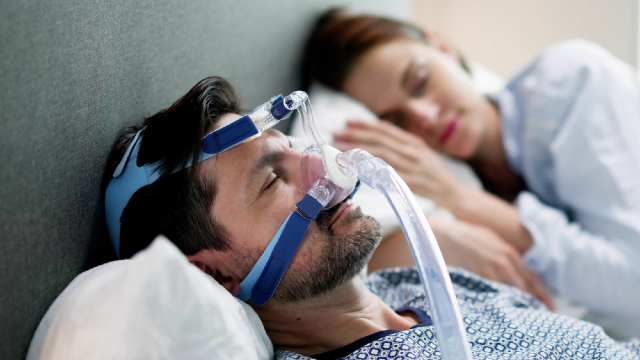
Medical Guide
Snoring or Sleep Apnea: Psychiatry Clinic, Sleep Lab, or ENT?
Learn whether snoring or sleep apnea can be assessed at a psychiatry clinic in Seoul, when you need an ENT or sleep lab, and how sleep studies work.
Schedule a ConsultationCan Snoring or Sleep Apnea Be Assessed at a Psychiatry Clinic, or Do You Need a Sleep Lab or ENT?
Medically reviewed by Dr. Hyunwook Cho, Chief Director & Board-Certified Psychiatrist
When persistent snoring, gasping during the night, or chronic exhaustion disrupts your daily life, deciding snoring sleep apnea who to see is an essential first step toward effective care [1]. A psychiatry clinic can evaluate how sleep-related breathing concerns affect your overall sleep quality, daytime energy, mood, and anxiety, while identifying risk factors during a comprehensive clinical consultation [1, 6]. However, because confirming obstructive sleep apnea requires objective physiological monitoring or structural airway inspection, a psychiatry clinic will refer you to an accredited sleep laboratory or an ear, nose, and throat (ENT) specialist when formal diagnostic testing or physical airway treatment is indicated [2, 4].
The Bottom Line
- Initial Psychiatric Screening and Comorbidity Care: A sleep apnea assessment psychiatrist evaluates how unrefreshing sleep, nocturnal awakenings, and daytime fatigue interact with insomnia, depression, anxiety, or sedative medications, and coordinates referrals when a primary breathing disorder is suspected [6].
- When You Need a Sleep Laboratory: Formal diagnosis of obstructive sleep apnea requires objective testing—either a home sleep apnea test for uncomplicated cases or an in-laboratory sleep study overnight (polysomnography) that monitors breathing effort, airflow, oxygen levels, and sleep stages over one night [2, 4].
- When You Need an ENT or Dental Sleep Specialist: If anatomical airway narrowing, nasal obstruction, or tonsillar enlargement is suspected, an ENT specialist conducts structural airway evaluations and discusses surgical options, while dental specialists fit custom oral appliances [1, 7].
- Evidence-Based Management Options: Confirmed sleep-related breathing disorders are managed through Positive Airway Pressure (PAP) therapy, custom oral appliances, targeted lifestyle changes, or airway surgery for selected anatomical obstructions [1, 3, 5].
- Planning Timelines in Seoul: An initial psychiatric or sleep consultation typically takes 30 to 60 minutes, non-surgical evaluation and testing require a short stay of 1 to 3 days, and surgical airway pathways require approximately 7 to 14 days in Korea for initial recovery and follow-up.
Understanding Snoring and Sleep Apnea: Why the Right Specialist Matters
Snoring occurs when airflow moves past relaxed tissues in the upper airway, causing vibrations during sleep [1]. While occasional, mild snoring may simply be a nuisance, loud, habitual snoring accompanied by witnessed pauses in breathing, choking or gasping sensations, daytime sleepiness morning headaches, dry mouth upon waking, or difficulty concentrating often points to obstructive sleep apnea (OSA) [1, 4]. In obstructive sleep apnea, the upper airway repeatedly collapses partially (hypopnea) or completely (apnea) during sleep, triggering brief micro-arousals and drops in blood oxygen saturation [1, 2].
Many international residents and travelers searching for a sleep disorder clinic Seoul are unsure whether to start with a mental health professional, a respiratory sleep physician, or a surgical airway specialist. The confusion is understandable: chronic sleep fragmentation rarely presents as an isolated breathing complaint. Instead, patients frequently notice mood irritability, unrefreshing sleep, trouble staying asleep, brain fog, or heightened daytime anxiety long before they realize their airway is obstructing at night [6].
Understanding the distinct yet complementary roles of a psychiatry clinic, a sleep medicine laboratory, and an ENT practice helps you avoid diagnostic delays and ensures that both the physical mechanics of your airway and the neuropsychiatric consequences of disrupted sleep are properly addressed [4, 6].
Examining Snoring and Sleep Apnea from a Psychiatric Perspective
Looking at snoring and sleep apnea psychiatric perspective highlights why patients often bring sleep-breathing questions to a psychiatrist first. Sleep architecture and mental health share a bidirectional relationship [6]. Repeated nighttime micro-arousals fragment restorative slow-wave and rapid eye movement (REM) sleep, which can mimic or worsen depressive disorders, generalized anxiety, panic symptoms, and attention difficulties [6]. Conversely, patients being treated for depression, trauma, or chronic insomnia may experience daytime exhaustion that masks an underlying breathing disorder [6].
At Samsung Gonggam Psychiatry Clinic in Dongjak-gu, Seoul, board-certified psychiatrists evaluate sleep-related complaints within the broader context of emotional well-being, nervous system regulation, and daily functioning. While a psychiatry clinic does not operate as a surgical airway center or replace an overnight diagnostic sleep laboratory, a psychiatric consultation plays several critical roles when sleep-disordered breathing is on the differential:
- Differentiating Insomnia, Mood Fatigue, and Apnea-Related Exhaustion: Patients who wake up multiple times a night often assume they have primary insomnia. A detailed clinical interview clarifies whether awakenings are driven by racing thoughts and hyperarousal, early-morning depressive waking, or physiological gasping and snoring [1, 6].
- Reviewing Medication and Substance Interactions: Certain sedatives, hypnotic sleep aids, muscle relaxants, and evening alcohol use relax upper airway muscle tone and can worsen snoring or apneic events [1]. A psychiatrist carefully reviews current prescriptions, over-the-counter sleep aids, and caffeine or alcohol habits so that insomnia treatment does not inadvertently aggravate airway collapse.
- Supporting Adherence to Sleep Apnea Treatment: Adjusting to nightly mask therapy or behavioral sleep changes can be challenging for individuals with claustrophobia, health anxiety, or coexisting insomnia [3, 5]. Psychiatric care addresses the anxiety and conditioned sleeplessness that often interfere with consistent device use.
- Coordinating Specialist Referrals: When clinical history and symptom screening suggest obstructive sleep apnea or structural airway narrowing, the psychiatrist refers the patient to a qualified sleep medicine specialist, accredited sleep laboratory, or ENT physician for definitive testing and airway-directed care [2, 4].
Psychiatry Clinic vs. Sleep Lab vs. ENT: Who Does What?
To clarify snoring sleep apnea who to see based on your primary symptoms, the table below compares how each clinical setting approaches evaluation, testing, and treatment.
| Clinical Setting | Primary Focus in Snoring & Sleep Apnea | Typical Diagnostic Tools | Core Management & Role | Best Starting Point When... |
|---|---|---|---|---|
| Psychiatry Clinic | Intersection of sleep quality, insomnia, daytime fatigue, mood, anxiety, and medication safety [6] | 30–60 minute clinical interview, sleep habit review, mental health & sleep rating scales | Evaluates coexisting insomnia, depression, or anxiety; optimizes sleep hygiene; refers to sleep lab or ENT for formal apnea diagnosis | You have unrefreshing sleep alongside anxiety, low mood, chronic insomnia, or questions about sleep medications |
| Sleep Medicine Clinic / Sleep Lab | Objective physiological measurement of breathing, oxygen levels, and sleep staging [2, 4] | Home sleep apnea testing (HSAT) or 1-night in-laboratory overnight polysomnography [2, 4] | Confirms OSA severity (AHI); prescribes and titrates Positive Airway Pressure (PAP/CPAP) therapy [3, 5] | You have loud snoring, witnessed breathing pauses, gasping at night, or severe daytime sleepiness requiring a formal sleep apnea test Seoul [1, 4] |
| ENT (Otolaryngology) Clinic | Structural anatomy of the nose, palate, tongue base, throat, and upper airway | Physical examination of nose, mouth, throat, jaw, and endoscopic airway assessment | Evaluates nasal blockage, deviated septum, or tonsillar hypertrophy; performs selected airway surgery [1] | You notice physical nasal congestion, mouth breathing, anatomical throat narrowing, or cannot tolerate non-surgical devices |
| Dental Sleep Medicine Practice | Mechanical jaw positioning to maintain upper airway patency during sleep [7] | Dental, bite, and temporomandibular joint (TMJ) assessment following a sleep study | Fabricates and adjusts custom mandibular advancement oral appliances [7] | You have primary snoring or mild-to-moderate OSA and prefer or require an oral appliance [7] |
What Happens During a Sleep Apnea Evaluation and Overnight Sleep Study?
Whether you begin with a psychiatric sleep consultation or book directly with a sleep specialist, a thorough evaluation follows a structured diagnostic pathway to identify why your sleep is disrupted and which interventions are safest [1, 4].
1. Initial Clinical Consultation (30 to 60 Minutes)
An initial sleep evaluation typically takes 30 to 60 minutes. During this visit, the clinician reviews:
- Nighttime and Daytime Symptoms: Frequency and volume of snoring, whether a bed partner has observed pauses in breathing or choking sounds, restless sleep, daytime sleepiness morning headaches, and difficulty sustaining attention during work or study [1, 4].
- Sleep Schedule and Lifestyle Factors: Bedtime and wake-up routines, shift work, evening alcohol consumption, caffeine intake, weight changes, and sleeping position (back sleeping versus side sleeping) [1].
- Medical and Psychiatric History: Coexisting hypertension, cardiovascular history, depression, anxiety disorders, and all current prescriptions or sleep supplements [1, 6].
- Physical Airway Screening: In a sleep medicine or ENT setting, the physical examination checks the nose, mouth, throat, palate, jaw alignment, and neck circumference to look for visible anatomical contributors to airway narrowing [1].
No routine fasting is required before a standard diagnostic sleep consultation. Patients should bring a complete list of current medications, details of their typical sleep schedule, and any prior sleep study reports; if a bed partner has noticed breathing pauses or recorded a brief audio or video clip of snoring, sharing those observations provides helpful clinical context.
2. Diagnostic Sleep Testing: Home Testing vs. In-Lab Polysomnography
A clinical interview alone cannot confirm or rule out obstructive sleep apnea [4]. When sleep-disordered breathing is suspected, objective sleep testing is recommended [2, 4]:
- In-Laboratory Overnight Polysomnography (1 Night): Considered the diagnostic gold standard, an attended sleep study overnight takes place over a single night in a dedicated sleep laboratory [2, 4]. Sensors painlessly track brain wave activity (EEG), eye movements, muscle tone, heart rate, nasal and oral airflow, chest and abdominal respiratory effort, body position, and blood oxygen saturation [2]. Polysomnography is particularly important when patients have coexisting insomnia, psychiatric comorbidities, or suspected non-respiratory sleep disorders [4, 6].
- Home Sleep Apnea Testing (HSAT): For suitable adult patients with a high clinical likelihood of uncomplicated moderate-to-severe obstructive sleep apnea and no major cardiopulmonary or complex sleep comorbidities, a portable home sleep monitor may be used over one or more nights to record airflow, breathing effort, and oxygen levels in the patient's own bed [2, 4].
Comparing Treatment Options: CPAP, Oral Appliances, Lifestyle Measures, and Surgery
Once diagnostic testing determines whether you have primary snoring or mild, moderate, or severe obstructive sleep apnea, treatment is tailored to your apnea severity, airway anatomy, and personal tolerance [1, 5]. Comparing CPAP oral appliance therapy alongside lifestyle modifications and surgical options helps clarify what to expect regarding adjustment timelines and potential side effects.
| Treatment Approach | Ideal Candidates | Expected Timeline to Benefit | Common Side Effects & Considerations |
|---|---|---|---|
| Positive Airway Pressure (PAP / CPAP) Therapy | First-line therapy for moderate-to-severe OSA and many symptomatic mild OSA cases [3, 5] | Controls airway collapse from the first nights of effective use; comfortable routine adjustment typically takes 1 to 4 weeks [3, 5] | Nasal dryness, nasal congestion, mask discomfort or skin irritation, and air leakage around the mask seal [3] |
| Custom Oral Appliances | Primary snoring, mild-to-moderate OSA, or patients who cannot tolerate PAP therapy [7] | Fitting and gradual jaw calibration typically take 2 to 6 weeks of adjustment [7] | Temporary jaw discomfort or soreness, tooth tenderness, changes in salivation, or gradual bite changes over long-term use [7] |
| Targeted Lifestyle Measures | Supportive care for all snoring and OSA patients; may suffice for mild positional snoring [1] | Ongoing daily practice; weight and positional benefits build over weeks to months [1] | Requires consistent habit change: weight management when appropriate, limiting alcohol near bedtime, avoiding sedatives unless medically directed, and side-sleeping |
| Selected Airway Surgery | Specific, correctable anatomical obstructions when non-surgical treatments are unsuitable or not tolerated | Initial recovery takes 1 to 2 weeks; tissue swelling settles over 4 to 6 weeks; fuller results appear over 4 to 12 weeks (up to several months) | Performed under local anesthesia, sedation, or general anesthesia; post-operative throat pain, swelling, bleeding risk, and possibility that snoring or apnea may partially persist |
When Is Airway Surgery Unsuitable?
Surgical airway intervention is not a universal cure for sleep apnea. Surgery may be unsuitable when the anatomical site of collapse is diffuse or unclear, when expected clinical benefit is limited, or when non-surgical management (such as PAP therapy or an oral appliance) has not yet been properly evaluated [1, 5]. Even after airway surgery, follow-up sleep testing is often advised to verify whether breathing disturbances have resolved.
Coordinating Sleep and Mental Health Care in Seoul for International Patients
For expats, international students, and medical travelers seeking a sleep disorder clinic Seoul or a psychiatric sleep evaluation, navigating care in a second language can feel daunting. Starting with an English-speaking psychiatrist is often practical when you are experiencing overlapping symptoms—such as chronic insomnia, panic awakenings, burnout, depressive fatigue, and partner-reported snoring—and want an objective clinical roadmap before committing to specialized testing [6].
At Samsung Gonggam Psychiatry Clinic, located at 5F, Misarang Building, 345 Sangdo-ro, Dongjak-gu, Seoul, Dr. Hyunwook Cho and Dr. Soohyun Chae provide evidence-based psychiatric and sleep disorder consultations supported by dedicated English coordination (Coordinator Seo Jeong-sun). Established in 2021 and certified by the Korean Ministry of Health and Welfare as a registered medical institution for attracting foreign patients, the clinic conducts approximately 12,000 consultations annually.
Practical Travel and Scheduling Timelines
- Non-Surgical Consultation and Assessment: If you are visiting Seoul for an initial sleep consultation, psychiatric comorbidity evaluation, or non-surgical diagnostic planning, a stay of 1 to 3 days (a few days) is generally sufficient to complete the 30-to-60-minute consultation and coordinate any local sleep study referrals.
- Surgical Airway Pathways: If an ENT evaluation leads to surgical airway management, international patients should plan for a stay in Korea of approximately 7 to 14 days to allow for pre-operative checks, the procedure, initial 1-to-2-week recovery monitoring, and post-operative follow-up before flying.
- Continuity of Care: Because long-term success with PAP therapy, oral appliances, or coexisting insomnia management depends on ongoing monitoring, patients can request English medical documentation to share with their home sleep physician, dentist, or primary care provider [3, 5]. You can reach the clinic team via the online contact page to arrange an evaluation or clarify scheduling before your visit.
Frequently Asked Questions
Can a psychiatrist diagnose obstructive sleep apnea during an office visit?
A psychiatrist can screen for obstructive sleep apnea symptoms, assess how poor sleep quality is affecting your mood and daytime functioning, and review medications that may worsen airway relaxation [6]. However, a definitive diagnosis of obstructive sleep apnea requires an objective sleep test—either an in-laboratory overnight polysomnography or a home sleep apnea test—so your psychiatrist will refer you to a sleep medicine specialist or sleep lab when testing is needed [2, 4].
How do I know if my daytime fatigue is from depression or sleep apnea?
Depression and obstructive sleep apnea share several overlapping symptoms, including low energy, unrefreshing sleep, poor concentration, and morning sluggishness [1, 6]. Clues that point toward sleep apnea include loud habitual snoring, dry mouth upon waking, daytime sleepiness morning headaches, and a bed partner witnessing pauses in your breathing or gasping at night [1, 4]. Because the two conditions frequently coexist, evaluating both mental health and airway symptoms ensures neither condition is missed [6].
Do sleeping pills make snoring and sleep apnea worse?
Certain sedating medications—such as benzodiazepines, muscle relaxants, and some prescription sleep aids—as well as alcohol consumed near bedtime can reduce upper airway muscle tone and blunt the brain's natural arousal response to low oxygen [1]. If you snore heavily or suspect sleep apnea, always consult a psychiatrist or sleep physician before taking sedatives for insomnia.
What is the difference between a home sleep test and an overnight sleep study in a lab?
An in-laboratory sleep study overnight (polysomnography) is an attended 1-night test that records brain waves, eye movements, muscle activity, heart rhythm, breathing effort, airflow, and blood oxygen levels [2]. A home sleep apnea test uses a simplified portable monitor at home to measure breathing and oxygen saturation [2, 4]. In-lab testing is generally preferred when patients have coexisting insomnia, psychiatric conditions, or complex sleep symptoms [4].
How quickly does CPAP work compared to a dental oral appliance?
When properly titrated and worn consistently, Positive Airway Pressure (PAP/CPAP) therapy can prevent airway collapse from the very first nights of effective use, though getting comfortable with the mask and air pressure usually takes 1 to 4 weeks [3, 5]. Custom oral appliances require fabrication and gradual jaw advancement calibration, typically taking 2 to 6 weeks of adjustment [7].
Should I stop taking my regular psychiatric medications before a sleep consultation?
No. You should not stop or change any prescribed antidepressant, anti-anxiety, or sleep medication before your consultation without specific medical advice from your prescribing doctor. Instead, bring an accurate list of all current medications and dosages so the clinician can factor them into your assessment and testing plan.
About the Medical Reviewer
Dr. Hyunwook Cho is the Chief Director of Samsung Gonggam Psychiatry Clinic and a board-certified psychiatrist in South Korea. He earned his Master of Medicine from Sungkyunkwan University and completed his medical internship and psychiatric residency at Samsung Medical Center. Dr. Cho is a Member of the Korean Neuropsychiatric Association, the Korean Association for Psychoanalysis and Psychotherapy, and the Korean Society of Analytical Therapy, as well as a Lifetime Member of the Korean Academy of Child and Adolescent Psychiatry. Prior to founding the clinic in 2021, he served as Head of the Department of Psychiatry at Armed Forces Hongcheon Hospital, Department Head at Seoul Myeong Hospital, and Director of Haesol Mental Health Clinic (Incheon Branch).
Clinic Location & Contact Information:
- Clinic: Samsung Gonggam Psychiatry Clinic (5F, Misarang Building, 345 Sangdo-ro, Dongjak-gu, Seoul, South Korea)
- Hours: Monday–Friday 9:30 AM – 6:30 PM (Lunch 1:00 PM – 2:00 PM); Saturday 9:30 AM – 2:00 PM (Open during lunch); Closed Sundays and public holidays
- Phone / Email: +82-2-826-9647 | info@sgpsychiatryclinic.com
Medical Disclaimer: The educational content provided in this article is intended for general informational purposes only and is not a substitute for an in-person consultation with a qualified psychiatrist, sleep medicine physician, or otolaryngologist. Never rely on online guides for self-diagnosis or alter prescribed medications without direct clinical supervision.
References
- What Is Sleep Apnea?
- Sleep Studies
- CPAP
- Clinical Practice Guideline for Diagnostic Testing for Adult Obstructive Sleep Apnea: An American Academy of Sleep Medicine…
- Treatment of Adult Obstructive Sleep Apnea with Positive Airway Pressure: An American Academy of Sleep Medicine Clinical…
- Depression as a Manifestation of Obstructive Sleep Apnea
- Long-Term Oral Appliance Therapy Improves Daytime Function and Mood in Upper Airway Resistance Syndrome Patients
More Articles
Continue reading our clinical guides.
Adult ADHD in Women: Why It Is Missed & Clinical Evaluation
Why adult ADHD in women is often missed or mislabeled as anxiety, how hormonal shifts affect symptoms, and how a 2–3 hour CAT evaluation works in Seoul.
Learn More
Perimenopause Depression, Anxiety & Sleep Care in Seoul
Recognize perimenopause depression, menopause anxiety and insomnia, and learn when to seek outpatient psychiatric evaluation in Dongjak-gu, Seoul, Korea.
Learn More
Postpartum Depression Expat Guide for Mothers in Seoul
Understand postpartum depression expat challenges, baby blues vs postpartum depression, and English perinatal psychiatric care for US mothers in Seoul.
Learn More