Personalized Medical Care & Dedicated International Patient Concierge


Medical Guide
Understanding Bipolar Disorder Treatment: What Patients Should Know
Understanding bipolar disorder treatment options, medications, and therapy. Learn what patients should know to manage symptoms and improve daily life.
Schedule a ConsultationUnderstanding Bipolar Disorder Treatment: What Patients Should Know

Bipolar disorder is one of the most complex and commonly misunderstood conditions in psychiatry. For many patients, receiving an accurate diagnosis — and finding a treatment approach that genuinely works — can take years. At Samsung Gonggam Psychiatry Clinic – Dongja Branch in Dongjak-gu, Seoul, board-certified psychiatrists Dr. Hyunwook Cho and Dr. Soohyun Chae offer comprehensive, evidence-based care for patients navigating bipolar disorder at every stage of their journey.
This article explains what bipolar disorder is, how it is treated, who may benefit from professional care, and what patients can realistically expect from the treatment process.
What Is Bipolar Disorder?
Bipolar disorder is a chronic mood condition characterized by alternating episodes of mania (or hypomania) and depression. Unlike ordinary mood fluctuations, these episodes are significant enough to affect a person's ability to function at work, in relationships, and in daily life.
There are several recognized subtypes:
- Bipolar I Disorder involves full manic episodes that may require hospitalization, often alternating with depressive periods.
- Bipolar II Disorder involves hypomanic episodes — less severe than full mania — alongside recurrent depression.
- Cyclothymic Disorder describes a milder but persistent pattern of mood instability over at least two years.
Symptoms of a manic episode can include dramatically reduced need for sleep, elevated or irritable mood, racing thoughts, impulsive decision-making, and inflated self-esteem. Depressive episodes, by contrast, may involve persistent low mood, fatigue, difficulty concentrating, and loss of interest in previously enjoyable activities.
Because these episodes can occur weeks or even months apart, and because depressive symptoms often resemble major depression, bipolar disorder is frequently misdiagnosed. Early, accurate assessment is essential.
How Is Bipolar Disorder Treated?
Bipolar disorder is a long-term condition, and effective treatment reflects this reality. The goal is not a single intervention, but an individualized, ongoing management plan that minimizes the frequency and severity of episodes while supporting overall quality of life.
Mood Stabilization and Medication Management
Medications remain the cornerstone of bipolar disorder treatment. Mood stabilizers — such as lithium and certain anticonvulsant medications — help prevent the cycling between manic and depressive states. In some cases, atypical antipsychotics or antidepressants may be prescribed as part of a carefully monitored regimen.
Finding the right medication combination requires time, clinical expertise, and regular monitoring. At Samsung Gonggam Psychiatry Clinic, medication management is approached with close attention to each patient's symptom profile, medical history, lifestyle, and response over time. Adjustments are made thoughtfully and collaboratively.
Psychoeducation and Behavioral Strategies
Understanding one's own condition is one of the most protective tools available to someone with bipolar disorder. Psychoeducation — structured learning about mood patterns, early warning signs, triggers, and the importance of treatment adherence — has been shown in research to reduce relapse rates meaningfully.
Patients are supported in identifying their personal warning signs, establishing regular sleep and activity routines, and developing strategies for high-risk periods.
Ongoing Monitoring and Follow-Up
Bipolar disorder requires consistent follow-up care. Regular appointments allow the treating psychiatrist to track mood patterns, review medication tolerability, and adjust treatment before a full episode develops. This continuity is a core part of care at the Dongja Branch.
Who Should Seek an Evaluation?

An evaluation for bipolar disorder may be appropriate if you or someone you care about has experienced:
- Episodes of unusually elevated mood, energy, or reduced sleep that feel distinctly different from your normal state
- Periods of depression that alternate with times of unusually high activity or confidence
- Impulsive behaviors during high-mood periods — such as excessive spending, risky decisions, or uncharacteristic irritability — followed by significant regret
- A diagnosis of depression that has not responded well to standard antidepressant treatment
Many people live with undiagnosed bipolar disorder for years, often because their depressive episodes are the most prominent feature and the hypomanic phases may feel positive or productive. A thorough psychiatric assessment can clarify the diagnosis and, importantly, prevent treatments that may be inappropriate for bipolar disorder from causing harm.
Seeking evaluation is also appropriate if a family member has been diagnosed with bipolar disorder, as the condition has a significant hereditary component.
What to Expect at Your Consultation
A first psychiatric consultation at Samsung Gonggam Psychiatry Clinic – Dongja Branch is a comprehensive, unhurried conversation. There are no shortcuts in accurate psychiatric assessment.
During your initial appointment, the psychiatrist will take a detailed history covering your current symptoms, the timeline of any mood episodes, sleep patterns, personal and family psychiatric history, and any prior treatments. Standardized mood assessment tools may be used to support the diagnostic process.
From this evaluation, a provisional diagnosis and initial treatment plan are discussed with the patient directly. The clinic's approach is collaborative: patients are encouraged to ask questions, express concerns, and participate in decisions about their own care.
Follow-up appointments are scheduled at intervals appropriate to the patient's current stability and treatment phase. Those in an active mood episode or newly starting medication will typically be seen more frequently.
Our Psychiatrists: Experience That Matters in Bipolar Care
Accurate diagnosis and effective management of bipolar disorder require not only clinical training but also experience with the condition's full complexity over time.
Dr. Hyunwook Cho, Representative Director of the Dongja Branch, holds an adjunct professorship affiliated with Samsung Seoul Hospital and brings a career spanning military, public, and private psychiatric practice. His breadth of experience — working with patients across diverse settings and clinical presentations — directly informs his approach to complex mood disorders.
Dr. Soohyun Chae, Director, graduated from Seoul National University College of Medicine and is currently completing her PhD. Trained at Seoul National University Hospital (SNUH) and the Seoul Sunflower Center, she has a particular focus on community mental health and women's mental health, making her especially well-positioned to address bipolar disorder in the context of life transitions, reproductive health, and other intersecting factors. Dr. Chae is available Monday through Thursday.
Both clinicians practice within an evidence-based framework while recognizing that every patient's experience of bipolar disorder is individual.
Why Choose Samsung Gonggam Psychiatry Clinic – Dongja Branch?
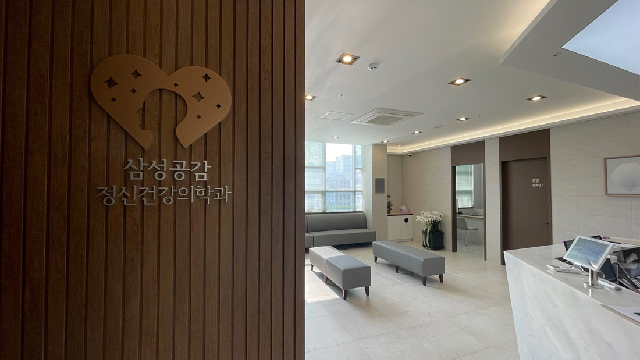
A Clinic Built Around Empathy
The name Gonggam (공감) means empathy in Korean — and this is not incidental. The clinic was founded on the principle that mental health care should be both clinically rigorous and genuinely human. Patients are not processed through a system; they are heard, assessed, and treated as individuals.
Part of an Established National Network
The Dongja Branch is one of ten clinics within the Samsung Gonggam Psychiatry network, operating across Seoul, Suwon, Seongnam (Pangyo), Busan, Daejeon, Changwon, and Goyang. This network reflects consistent standards of care and enables patients to access high-quality outpatient psychiatric services across South Korea.
Experience with International Patients
For expats and international residents in Seoul, navigating a foreign healthcare system while managing a complex psychiatric condition can feel overwhelming. The clinic's team is experienced in working with patients from diverse cultural backgrounds and works to make the process as clear and accessible as possible.
Accessible Location and Scheduling
The clinic is located on the 5th floor of the Misarang Building at 345 Sangdo-ro, Sangdo-dong, Dongjak-gu — approximately 248 meters from Sungsil University Station (Exit 3, Seoul Metro Line 7). Appointments are available Monday through Friday from 9:30 AM to 6:30 PM, and on Saturdays from 9:30 AM to 2:00 PM.
Realistic Expectations: What Treatment Can and Cannot Do
It is important to approach bipolar disorder treatment with honesty. Medication and ongoing psychiatric support can significantly reduce the frequency and severity of mood episodes for most patients. Many people with bipolar disorder live full, productive, and meaningful lives with appropriate care.
However, bipolar disorder is not cured by any single intervention. Treatment requires long-term commitment — continuing medication during stable periods, maintaining regular appointments, and building the self-awareness skills that help patients respond early when mood changes begin. Stopping medication abruptly, particularly without medical guidance, substantially increases the risk of relapse.
Outcomes are generally better when treatment begins early, when the patient is actively engaged in their own care, and when there is consistent follow-up with a treating psychiatrist over time.
Taking the First Step
If you are experiencing mood episodes that disrupt your life — or if you have already been given a diagnosis but feel uncertain about your current treatment — a psychiatric consultation can provide clarity and a path forward.
Samsung Gonggam Psychiatry Clinic – Dongja Branch in Dongjak-gu, Seoul, offers comprehensive evaluation and evidence-based treatment for bipolar disorder, delivered with the expertise and empathy that good psychiatric care requires.
More Articles
Continue reading our clinical guides.

Adult ADHD in Women: Why It Is Missed & Clinical Evaluation
Why adult ADHD in women is often missed or mislabeled as anxiety, how hormonal shifts affect symptoms, and how a 2–3 hour CAT evaluation works in Seoul.
Learn More

Perimenopause Depression, Anxiety & Sleep Care in Seoul
Recognize perimenopause depression, menopause anxiety and insomnia, and learn when to seek outpatient psychiatric evaluation in Dongjak-gu, Seoul, Korea.
Learn More

Postpartum Depression Expat Guide for Mothers in Seoul
Understand postpartum depression expat challenges, baby blues vs postpartum depression, and English perinatal psychiatric care for US mothers in Seoul.
Learn More