Personalized Medical Care & Dedicated International Patient Concierge


Specialized Psychiatric Care · Needs Clinic Confirmation
Alcohol Use Disorder
The term alcoholism is widely used but clinically imprecise.
Schedule a Consultation
What Is Alcohol Use Disorder — And Why Does It Require Professional Treatment?
The term alcoholism is widely used but clinically imprecise. The American Psychiatric Association's Diagnostic and Statistical Manual — DSM-V — uses the term Alcohol Use Disorder to describe the condition more accurately: mental, physical, and social functional impairment caused by excessive and problematic alcohol use. It is a recognized psychiatric condition with established diagnostic criteria, evidence-based treatments, and — critically — a significantly better prognosis when treated professionally than when managed through willpower alone.
What makes alcohol use disorder particularly difficult to address without clinical support is the nature of the condition itself. The same neurobiological changes that drive problematic drinking — tolerance, craving, withdrawal — make sustained reduction or abstinence genuinely difficult to achieve independently. Repeated failed attempts to cut down are not evidence of weakness or lack of motivation. They are a clinical feature of the condition — and they are one of its diagnostic criteria.
Alcohol use disorder does not follow a single pattern. Some individuals drink heavily every day to maintain functioning. Others binge heavily on weekends in a recurring pattern. Some alternate between extended periods of heavy drinking and periods of abstinence, only to relapse. What these patterns share is a loss of reliable control over alcohol use — and consequences in health, relationships, and occupational life that accumulate despite genuine awareness of the harm being caused.
At Samsung Gonggam Psychiatry Clinic, alcohol use disorder is assessed and treated with the clinical seriousness and personal compassion this condition deserves — in a stigma-free environment that recognizes the courage required to seek help.
Recognizing Alcohol Use Disorder: Symptoms and Diagnostic Criteria
Alcohol use disorder is diagnosed when two or more of the following criteria are present within a twelve-month period. If you recognize yourself in two or more of these, a consultation with a board-certified psychiatrist is strongly recommended:
- Drinking more alcohol, or for longer, than originally intended
- Persistent desire or repeated failed efforts to cut down or control drinking
- Spending significant time obtaining alcohol, drinking, or recovering from its effects
- Experiencing strong cravings or urges to drink
- Repeated failure to fulfill major responsibilities at work, school, or home due to drinking
- Continuing to drink despite alcohol causing or worsening social or interpersonal problems
- Reducing or giving up important activities — social, occupational, recreational — because of drinking
- Repeated drinking in situations where it is physically hazardous
- Continuing to drink despite knowing it is causing or worsening physical or psychological problems
- Tolerance — needing increasing amounts of alcohol to achieve the same effect, or experiencing reduced effect with the same amount
- Withdrawal symptoms when not drinking — hand tremors, insomnia, anxiety, agitation, cold sweats
Common behavioral patterns that accompany these criteria include daily drinking to maintain normal functioning, concentrated binge drinking at specific times such as weekends, cycles of extended heavy drinking followed by attempted abstinence, loss of control once drinking begins, frequent blackouts, and continued drinking despite serious physical illness.
Who Needs Alcohol Use Disorder Treatment?
Alcohol use disorder affects people across all ages, backgrounds, and life circumstances — and it is consistently undertreated due to stigma, denial, and the genuine difficulty of recognizing problematic drinking as a clinical condition rather than a personal failing. Professional evaluation is strongly advisable if you recognize yourself in any of the following:
- Adults whose drinking has become difficult to control — who intend to drink moderately but consistently end up drinking more than planned
- Those who have made repeated attempts to cut down or stop and have been unable to sustain reduction despite genuine motivation — a pattern that is clinically characteristic of alcohol use disorder
- People experiencing withdrawal symptoms when they reduce or stop drinking — tremors, insomnia, anxiety, sweating, or agitation — which signal physical dependence requiring medically supervised management
- Adults whose drinking is affecting their work — through absenteeism, performance difficulties, impaired judgment, or the professional consequences of alcohol-related behavior
- Those whose relationships are suffering — partners, family members, or colleagues raising concerns, conflicts arising from drinking behavior, or increasing social isolation as drinking takes priority
- People who experience frequent blackouts — periods of memory loss during drinking episodes — a clinical sign of significant alcohol use that warrants professional assessment
- Adults with co-occurring depression, anxiety, or ADHD in whom alcohol may be functioning as self-medication — and in whom treating the psychiatric condition alongside the alcohol use disorder is essential for lasting recovery
- Those who continue to drink despite a known serious physical health condition — liver disease, cardiovascular problems, or other conditions that are being worsened by continued alcohol use
Meet the Specialists in Alcohol Use Disorder Treatment
|
|
Dr. Hyunwook Cho MD MSc. Medical Doctor, | Dr. Soohyun Chae MD MSc. Medical Doctor, |
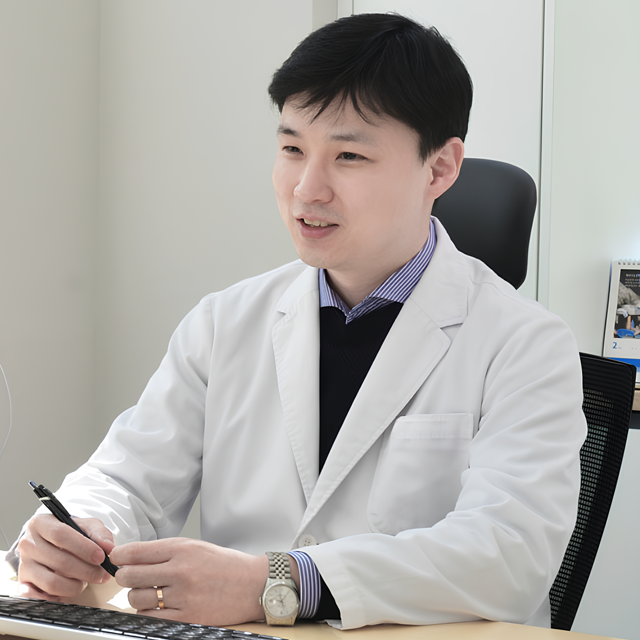

Dr. Cho Hyunwook — Representative Director
Dr. Cho Hyunwook holds a Master of Medicine from Sungkyunkwan University and completed his psychiatric residency at Samsung Seoul Hospital. As Adjunct Professor in the Department of Psychiatry at Samsung Seoul Hospital, he brings academic-level expertise into outpatient practice. His career spans military psychiatry as Chief of Psychiatry at the ROK Armed Forces Military Hospital, clinical directorship at Seoul Myeong Hospital, and private practice leadership at Haesol Psychiatry Clinic in Incheon. A Full Member of the Korean Neuropsychiatric Association and Korean Association for Analytic Psychotherapy, and Lifetime Member of the Korean Academy of Child and Adolescent Psychiatry, Dr. Cho brings extensive experience in the assessment and treatment of substance use disorders within a comprehensive psychiatric framework — recognizing the critical relationship between alcohol use disorder and co-occurring mood, anxiety, and personality conditions.
Dr. Chae Soohyun — Director
Dr. Chae Soohyun graduated from Seoul National University College of Medicine and completed her internship and psychiatric residency at Seoul National University Hospital. A current PhD Candidate in Medicine at SNU, her clinical background includes specialist work at the Seoul Sunflower Center and public mental health leadership as Doctor-in-Charge for Mokpo City. A Full Member of the Korean Neuropsychiatric Association and Korean Academy of Child and Adolescent Psychiatry, Dr. Chae's community mental health background gives her a broad and practically grounded understanding of alcohol use disorder across diverse populations and life circumstances — and of the barriers that prevent people from seeking the clinical support they need.
Both psychiatrists share the clinic's founding commitment to Gonggam (공감) — empathy — ensuring every patient presenting with alcohol use disorder is met with respect, clinical precision, and the genuine understanding that recovery requires.
Alcohol Use Disorder Treatment: What the Process Addresses
- Breaking the Cycle of Loss of Control: The primary clinical goal of alcohol use disorder treatment is restoring reliable control over drinking — and for many patients, achieving and sustaining abstinence. Through pharmacological management targeting the neurobiological drivers of craving and relapse, alongside psychological intervention that addresses the behavioral and cognitive patterns sustaining problematic drinking, treatment works to interrupt the cycle that willpower alone has been unable to break. Individual results vary and no specific outcome is guaranteed.
- Withdrawal Management: For patients with physical dependence on alcohol, withdrawal symptoms — tremors, insomnia, anxiety, agitation, sweating — require medically supervised management. Safe, clinically monitored withdrawal is an essential first step for these patients, and its proper management significantly improves both safety and the foundation for ongoing recovery. Results are individual and timelines vary.
- Co-occurring Psychiatric Condition Treatment: Alcohol use disorder very frequently co-occurs with depression, anxiety, and ADHD — conditions that alcohol is often being used to self-medicate, and that in turn sustain and worsen the drinking pattern. Treating alcohol use disorder without addressing these underlying conditions produces consistently poorer outcomes. At Samsung Gonggam Psychiatry Clinic, assessment systematically identifies co-occurring conditions and treatment addresses the full clinical picture within an integrated plan.
- Relapse Prevention and Long-Term Recovery: Recovery from alcohol use disorder is a long-term process. Treatment at Samsung Gonggam Psychiatry Clinic is oriented toward not just initial reduction or abstinence but the sustained recovery that comes from addressing the psychological, behavioral, and psychiatric dimensions of the condition comprehensively — building the insight, coping strategies, and clinical support that make long-term recovery achievable.
The Alcohol Use Disorder Treatment Process

1. Initial Psychiatric Consultation: A thorough, confidential evaluation of drinking patterns, symptom history, withdrawal risk, functional impact, and co-occurring psychiatric conditions — forming the clinical foundation of your individualized treatment plan.
2. Diagnosis and Clinical Assessment: Alcohol use disorder is diagnosed and classified by severity. Withdrawal risk is assessed. Co-occurring depression, anxiety, and ADHD are evaluated systematically and incorporated into the treatment plan.
3. Individualized Treatment Planning: Your treatment plan is developed collaboratively — integrating pharmacological management where clinically indicated with psychological intervention, relapse prevention strategies, and co-occurring condition treatment. The specific approach is tailored to your clinical profile, drinking pattern, and personal circumstances.
4. Ongoing Treatment and Relapse Prevention: Regular follow-up appointments monitor progress, review medication where applicable, address emerging challenges, and provide the consistent clinical support that alcohol use disorder recovery requires over time.
Results, Safety, and What to Expect
Alcohol use disorder responds to evidence-based psychiatric treatment, and meaningful improvement in drinking control, functional capacity, and quality of life is achievable for patients who engage consistently with care. Individual timelines vary considerably, and realistic expectations are established clearly during the initial consultation.
Recovery from alcohol use disorder is rarely linear — setbacks are a recognized part of the clinical picture rather than evidence of treatment failure. Samsung Gonggam Psychiatry Clinic commits to a treatment process that is transparent, non-judgmental, and consistently supportive through every stage of recovery. No specific outcome can be guaranteed, and individual results differ.
Real Patient Experiences: Alcohol Use Disorder Care at Samsung Gonggam Psychiatry Clinic
"I kept telling myself I could stop whenever I wanted — until I couldn't" — Office Professional, Early 40s
This patient came to Samsung Gonggam Psychiatry Clinic after a period of escalating weekend drinking had begun affecting his Monday performance and his marriage. A comprehensive assessment confirmed alcohol use disorder alongside a co-occurring depressive episode that had been driving his drinking for over a year. An integrated treatment plan addressing both conditions produced a meaningful reduction in drinking and a corresponding improvement in mood and relationship stability over several months of care.
"My family had been worried for years — finally getting help was the hardest and best decision" — Homemaker, Mid-50s
This patient's alcohol use had escalated gradually over several years following a significant life transition. By the time she sought assessment at Samsung Gonggam Psychiatry Clinic, daily drinking had become the pattern and withdrawal symptoms were appearing on days she tried to stop. A medically supervised approach to withdrawal management followed by integrated psychiatric treatment produced sustained improvement in both drinking behavior and overall mental health.
Why Choose Samsung Gonggam Psychiatry Clinic for Alcohol Use Disorder Treatment?
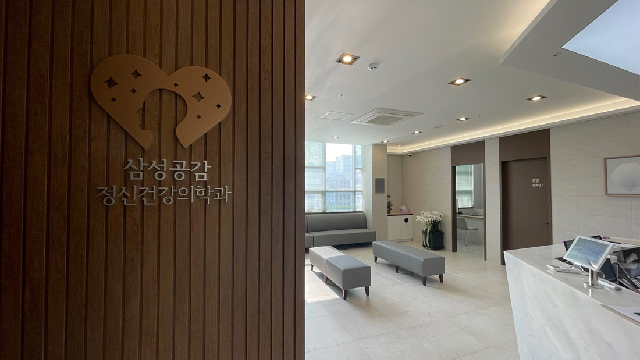
Alcohol use disorder requires both clinical precision and the kind of non-judgmental, empathetic care that makes it possible for patients to engage honestly with treatment. At Samsung Gonggam Psychiatry Clinic, board-certified psychiatrists trained at Samsung Seoul Hospital and Seoul National University Hospital provide the integrated assessment and treatment that alcohol use disorder demands — in a stigma-free environment built on the founding value of Gonggam (공감).
- Accurate AUD diagnosis and severity assessment — including withdrawal risk evaluation and co-occurring condition screening
- Integrated psychiatric and addiction care — treating depression, anxiety, and ADHD alongside alcohol use disorder within a unified plan
- Evidence-based relapse prevention — building the psychological tools and clinical support that sustain long-term recovery
- Stigma-free, empathy-led environment — for patients and families who have found the courage to seek help and deserve to be met with respect
Recovery Is Possible — Alcohol Use Disorder Treatment Starts Here
If alcohol has been harder to control than you intended — and if the consequences have been accumulating despite your genuine efforts to manage it — effective, compassionate care is available. At Samsung Gonggam Psychiatry Clinic, the first step is a confidential consultation with a board-certified psychiatrist who will assess your situation without judgment and work with you toward a recovery plan built on clinical expertise and genuine empathy.
[Book Your Alcohol Use Disorder Consultation at Samsung Gonggam Psychiatry Clinic]
Contact our clinic today. Same-week appointments are available and no referral is required. You will be connected directly with our appointment team to find a time that works for you.
Other Services
Explore additional treatments offered by our specialists.
Alcohol Use Disorder
The term alcoholism is widely used but clinically imprecise.
Learn More

Stress Management
Stress is the physical and mental response that occurs when a person feels that what they are facing exceeds their capacity to cope.
Learn More

Binge Eating / Obesity
Binge eating and stress-related obesity are conditions where the psychological dimension is not secondary to the clinical picture — it is central to it.
Learn More