Personalized Medical Care & Dedicated International Patient Concierge


Child & Adolescent Psychiatry · Needs Clinic Confirmation
ADHD (Attention Deficit/Hyperactivity Disorder)
ADHD is one of the most common neurodevelopmental conditions of childhood — characterized by persistent inattention, hyperactivity, and impulsivity that interfere with functioning across home, school, and social environments.
Schedule a Consultation
What Is ADHD — And Why Does Early Assessment Matter?
ADHD is one of the most common neurodevelopmental conditions of childhood — characterized by persistent inattention, hyperactivity, and impulsivity that interfere with functioning across home, school, and social environments. It is not a result of poor parenting, low intelligence, or lack of effort. It is a brain-based condition that responds well to accurate diagnosis and individualized treatment.
Without appropriate assessment and care, ADHD has a significant cumulative impact. A child working harder than peers for less result — misread as disruptive or lazy rather than clinically supported — accumulates academic setbacks, reduced self-esteem, and social difficulties that extend well beyond childhood. ADHD that persists into adolescence and adulthood continues to affect every domain of life. Early, accurate diagnosis followed by a personalized treatment plan is the most powerful intervention available.
ADHD also presents differently in different children. The hyperactive boy disrupting class is one picture — but many children, particularly girls and those with predominantly inattentive presentations, are missed entirely because their symptoms are quieter and less visible. Comprehensive assessment captures the full clinical picture, regardless of how symptoms present.
Who Needs a Child ADHD Assessment?
Professional evaluation is strongly advisable if you recognize any of the following in your child:
- Children who consistently struggle to sustain attention on tasks — particularly schoolwork and homework — even when they appear to be trying
- Those who make frequent careless mistakes, miss details, or produce work that does not reflect their evident ability
- Children who appear not to listen when spoken to directly, even without obvious distraction
- Those with persistent difficulty organizing tasks — managing time, sequencing steps, keeping track of materials, or completing multi-stage assignments independently
- Children who frequently lose items necessary for school and daily activities — stationery, books, homework — with ongoing disruptive frequency
- Those who are excessively physically active in structured settings — unable to remain seated, constantly fidgeting, running or climbing inappropriately
- Children who act impulsively — blurting answers, interrupting, making decisions without considering consequences, struggling to wait their turn
- Adolescents with internal restlessness — who have learned to contain hyperactivity externally but experience persistent mental racing and chronic underachievement relative to ability
- Children whose teachers have raised concerns about attention or behavior, and whose parents recognize the same patterns at home
Meet the Specialists in Child & Adolescent ADHD Treatment
|
|
Dr. Hyunwook Cho MD MSc. Medical Doctor, | Dr. Soohyun Chae MD MSc. Medical Doctor, |
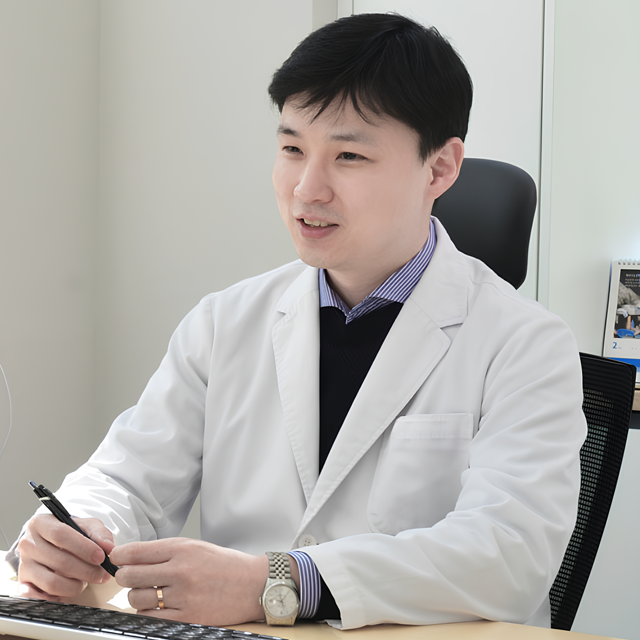
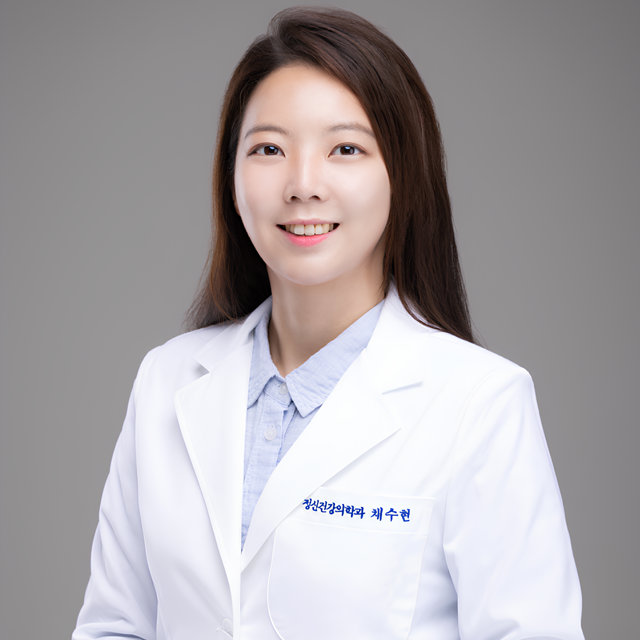
Dr. Cho Hyunwook — Representative Director
Dr. Cho Hyunwook holds a Master of Medicine from Sungkyunkwan University and completed his psychiatric residency at Samsung Seoul Hospital. As Adjunct Professor in the Department of Psychiatry at Samsung Seoul Hospital, he brings academic-level expertise into outpatient practice. His career spans military psychiatry as Chief of Psychiatry at the ROK Armed Forces Military Hospital, clinical directorship at Seoul Myeong Hospital, and private practice leadership at Haesol Psychiatry Clinic in Incheon. A Full Member of the Korean Neuropsychiatric Association and Korean Association for Analytic Psychotherapy, Dr. Cho holds Lifetime Membership in the Korean Academy of Child and Adolescent Psychiatry — reflecting his long-standing commitment to the mental health of younger patients.
Dr. Chae Soohyun — Director
Dr. Chae Soohyun graduated from Seoul National University College of Medicine and completed her internship and psychiatric residency at Seoul National University Hospital. A current PhD Candidate in Medicine at SNU, she serves as the primary clinical lead for child and adolescent patients at Samsung Gonggam Psychiatry Clinic. Her background includes specialist work at the Seoul Sunflower Center and public mental health leadership as Doctor-in-Charge for Mokpo City. A Full Member of the Korean Neuropsychiatric Association and Korean Academy of Child and Adolescent Psychiatry, Dr. Chae's specialized training in child and adolescent psychiatry makes her uniquely equipped to assess ADHD across all age groups and presentations — including the inattentive type most frequently missed in clinical settings.
Both psychiatrists share the clinic's founding commitment to Gonggam (공감) — empathy — and to the belief that every child deserves compassionate, evidence-based psychiatric support within a family-inclusive framework.
ADHD Treatment: What the Process Addresses
- Attention, Task Completion, and Academic Functioning: The primary functional goal of ADHD treatment is improving the child's capacity to sustain attention, complete tasks, and engage effectively with academic demands. As treatment progresses, the gap between ability and actual performance typically narrows — producing improvements in schoolwork, homework completion, and classroom engagement that are meaningful and observable. Individual results vary and no specific outcome is guaranteed.
- Hyperactivity, Impulsivity, and Behavioral Regulation: For children with significant hyperactive and impulsive symptoms, treatment reduces the frequency and intensity of disruptive behaviors — improving the child's ability to remain seated, wait their turn, and engage appropriately in structured settings. Behavioral strategies developed with parents reinforce this work at home and school. Results are individual and timelines vary.
- Self-Esteem and Emotional Wellbeing: The emotional consequences of undiagnosed ADHD — low self-esteem, frustration, shame, peer difficulties — are addressed as integral treatment components. As functioning improves and the child develops a clearer understanding of their neurodevelopmental profile, self-confidence typically recovers alongside performance.
- Family Psychoeducation: A child's experience of ADHD is profoundly shaped by the understanding of the adults around them. Family psychoeducation — helping parents recognize ADHD as a neurodevelopmental condition and implement strategies that support rather than worsen symptoms — is a high-impact component of every ADHD treatment plan.
The ADHD Assessment and Treatment Process

1. Comprehensive Child Psychiatric Assessment: Your child's first appointment is a thorough, age-appropriate evaluation in a warm, child-friendly environment. The assessment includes a detailed clinical interview with both child and parents — covering symptom history, developmental background, school functioning, and family context. Structured assessment tools and behavioral observation contribute to the complete clinical picture. Teacher input is incorporated where appropriate.
2. Diagnosis and Co-occurring Condition Screening: ADHD is confirmed and classified — inattentive, hyperactive-impulsive, or combined type. Co-occurring anxiety, mood disorders, and learning difficulties are screened systematically, as their presence significantly shapes treatment planning and expected outcomes.
3. Personalized ADHD Treatment Planning: Your child's plan is developed collaboratively with the family — tailored to the specific ADHD presentation, severity, co-occurring conditions, and developmental stage. Treatment integrates medication management where clinically appropriate with behavioral strategies, psychoeducation, and school-based support planning.
4. School Communication and Support Planning: Where indicated, guidance supports appropriate communication with the child's school — helping teachers understand the clinical basis of ADHD symptoms and implement classroom accommodations that give the child the best opportunity to succeed.
5. Ongoing Monitoring and Long-Term Support: ADHD evolves across development. Regular follow-up appointments track progress, adjust medication and behavioral strategies as needed, and provide the consistent clinical support that children with ADHD and their families benefit from throughout the treatment journey.
Results, Safety, and What to Expect
ADHD responds well to evidence-based treatment combining medication and behavioral intervention. Meaningful improvement in attention, academic functioning, behavioral regulation, and emotional wellbeing is achievable for the majority of children who engage consistently with care. Individual outcomes vary, and realistic expectations are established clearly during the initial consultation.
Medication, where recommended, is selected carefully, discussed openly with parents, and monitored throughout. Possible side effects are reviewed and managed proactively at every follow-up. No specific outcome can be guaranteed, and individual results differ.
Real Patient Experiences: ADHD Care at Samsung Gonggam Psychiatry Clinic
"His school said he had a behavior problem — it turned out to be ADHD" — Parent of 7-year-old
This child had been flagged repeatedly for inattention and classroom disruption. Parents had been advised to implement firmer boundaries at home. Following comprehensive assessment at Samsung Gonggam Psychiatry Clinic, ADHD was confirmed. A personalized plan combining medication, behavioral strategies, and family psychoeducation produced meaningful improvement in both academic performance and behavior within several months. His parents described finally understanding what had been driving his difficulties as transformative.
"We almost missed it — she was quiet, just never reaching her potential" — Parent of 12-year-old
This adolescent had never been identified as having ADHD because her presentation was predominantly inattentive — no hyperactivity, no disruption, just a persistent gap between evident ability and academic output. Assessment at Samsung Gonggam Psychiatry Clinic confirmed ADHD inattentive type. Treatment produced gradual but consistent improvement in concentration and academic performance — and a meaningful shift in the way she understood and felt about herself.
Why Choose Samsung Gonggam Psychiatry Clinic for Child ADHD Treatment?
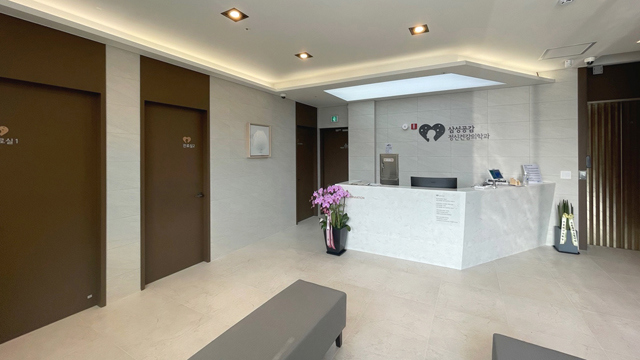
ADHD in children requires specialist expertise, developmental sensitivity, and a family-inclusive approach spanning home, school, and social life. At Samsung Gonggam Psychiatry Clinic, Dr. Chae Soohyun's specialized child and adolescent psychiatry training and Dr. Cho Hyunwook's Lifetime Membership in the Korean Academy of Child and Adolescent Psychiatry represent a level of dedicated expertise that children with ADHD deserve.
- Specialized child ADHD expertise — dedicated training across all presentations including the frequently missed inattentive type
- Comprehensive co-occurring condition screening — integrated evaluation of anxiety, mood disorders, and learning difficulties
- Family-inclusive psychoeducation — actively involving parents and caregivers at every stage of assessment and treatment
- Stigma-free, empathy-led care grounded in Gonggam (공감) — for children and families who deserve to be understood, not judged
Your Child's Potential Is Real — ADHD Support Starts Here
If your child is struggling with attention, behavior, or academic performance — compassionate, expert assessment is available. At Samsung Gonggam Psychiatry Clinic, the first step is a thorough, child-friendly consultation with a board-certified specialist who will assess your child carefully and work with your family toward a plan that truly supports their development.
[Book Your Child's ADHD Consultation at Samsung Gonggam Psychiatry Clinic]
Contact our clinic today. Same-week appointments are available and no referral is required. You will be connected directly with our appointment team to find the right time for your family.
Other Services
Explore additional treatments offered by our specialists.

Alcohol Use Disorder
The term alcoholism is widely used but clinically imprecise.
Learn More

Stress Management
Stress is the physical and mental response that occurs when a person feels that what they are facing exceeds their capacity to cope.
Learn More

Binge Eating / Obesity
Binge eating and stress-related obesity are conditions where the psychological dimension is not secondary to the clinical picture — it is central to it.
Learn More