Personalized Medical Care & Dedicated International Patient Concierge


Specialized Psychiatric Care · Needs Clinic Confirmation
Adult ADHD
ADHD — Attention Deficit Hyperactivity Disorder — is widely understood as a childhood condition.
Schedule a Consultation
What Is Adult ADHD — And Why Is It So Frequently Missed?
ADHD — Attention Deficit Hyperactivity Disorder — is widely understood as a childhood condition. What is far less recognized is how frequently it persists into adulthood. Among children with ADHD who do not receive adequate treatment, 60 to 65% continue to experience significant ADHD symptoms as adults. For many of these individuals, the condition was never accurately identified in childhood — and adulthood arrives with the same underlying neurodevelopmental difficulties, now playing out across the demands of professional life, relationships, and independent functioning.
Adult ADHD looks different from the childhood picture most people recognize. The hyperactive child bouncing off the walls becomes the adult who makes impulsive decisions, changes jobs repeatedly, struggles to complete tasks, misses deadlines, and manages time poorly despite genuine effort. The inattentive child who daydreams through class becomes the adult who cannot retain instructions, forgets commitments, starts projects without finishing them, and chronically underperforms relative to their evident intelligence and ability.
The consequences of undiagnosed adult ADHD accumulate across every domain of life. Occupationally, repeated errors, missed deadlines, and frequent job changes produce a career trajectory that does not reflect the individual's actual capability. Relationally, impulsivity, emotional dysregulation, and interpersonal difficulties strain partnerships and friendships. Financially, impulsive spending and poor planning create ongoing instability. And across all of these domains, the experience of consistently failing to meet one's own standards — without understanding why — produces secondary depression, anxiety, and damaged self-esteem that compound the original condition.
At Samsung Gonggam Psychiatry Clinic, adult ADHD is assessed with clinical precision — including CAT comprehensive attention testing — and treated with the integrated, evidence-based approach that this condition requires.
Adult ADHD Symptoms: Recognizing the Pattern
- Inattention in Adults: Adult inattention presents primarily as functional difficulty rather than obvious distraction. Adults with ADHD inattention commonly struggle to remember instructions from supervisors or colleagues, frequently forget tasks and commitments, find it difficult to start or complete work assignments, are chronically late and miss deadlines, and have persistent difficulty with time management and planning. These difficulties are not motivational — they reflect genuine neurological differences in attention regulation that respond to appropriate clinical treatment.
- Hyperactivity and Impulsivity in Adults: In adults, hyperactivity typically manifests as internal restlessness and impulsive behavior rather than physical overactivity. Common presentations include hasty decision-making without considering consequences, frequent job changes, acting without thinking, overspending, binge eating, gaming addiction, excessive alcohol or tobacco use, substance misuse, excessive talking, explosive emotional outbursts, impulsive relationship behavior, frequent traffic violations, and a pattern of accidents that reflects ongoing difficulty with impulse regulation.
Who Needs Adult ADHD Assessment?
Adult ADHD is significantly undertreated — in part because its presentations are frequently attributed to personality, laziness, or stress rather than recognized as a neurodevelopmental condition. Professional evaluation is strongly advisable if you recognize yourself in any of the following:
- Adults who consistently underperform at work relative to their evident intelligence — making frequent errors, missing deadlines, struggling to complete tasks, and finding that effort alone does not resolve these difficulties
- Those with a pattern of frequent job changes — leaving positions due to boredom, conflict, or performance difficulties — who recognize that the same pattern repeats across different workplaces
- People who act impulsively in ways that produce consequences — financial, relational, or professional — they did not intend and genuinely regret
- Adults with significant time management difficulties — chronically late, unable to plan effectively, consistently finishing tasks at the last minute despite intending to start earlier
- Those who had attention or behavior difficulties in childhood that were never formally assessed or treated — and who recognize the same underlying patterns in their adult functioning
- Adults with co-occurring depression, anxiety, or alcohol use in whom ADHD may be an underlying and untreated contributing factor
- Those whose relationships are significantly affected by impulsivity, emotional dysregulation, or the functional consequences of inattention — and for whom family or couples involvement in treatment may be beneficial
- Anyone who has wondered whether adult ADHD might explain a lifetime of functional difficulties that hard work and good intentions have consistently failed to resolve
Meet the Specialists in Adult ADHD Assessment and Treatment
|
|
Dr. Hyunwook Cho MD MSc. Medical Doctor, | Dr. Soohyun Chae MD MSc. Medical Doctor, |
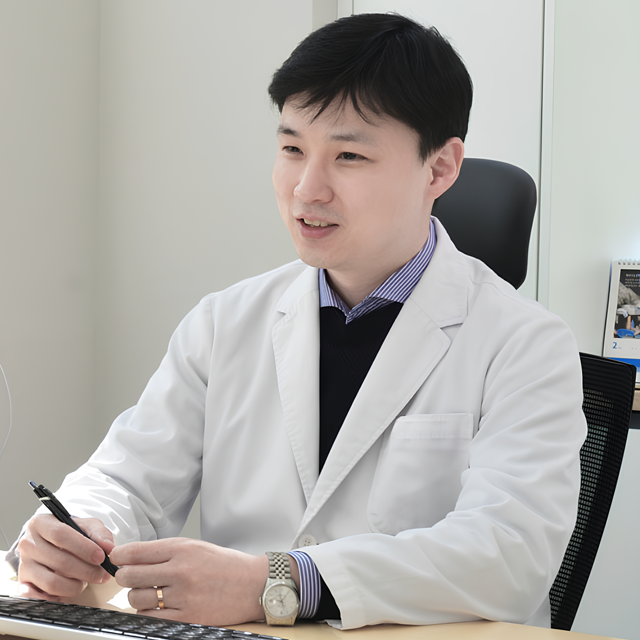

Dr. Cho Hyunwook — Representative Director
Dr. Cho Hyunwook holds a Master of Medicine from Sungkyunkwan University and completed his psychiatric residency at Samsung Seoul Hospital. As Adjunct Professor in the Department of Psychiatry at Samsung Seoul Hospital, he brings academic-level expertise into outpatient practice. His career spans military psychiatry as Chief of Psychiatry at the ROK Armed Forces Military Hospital, clinical directorship at Seoul Myeong Hospital, and private practice leadership at Haesol Psychiatry Clinic in Incheon. A Full Member of the Korean Neuropsychiatric Association and Korean Association for Analytic Psychotherapy, and Lifetime Member of the Korean Academy of Child and Adolescent Psychiatry, Dr. Cho brings extensive experience in ADHD across the lifespan — recognizing the continuity between childhood presentations and adult functional difficulties.
Dr. Chae Soohyun — DirectorDr. Chae Soohyun
Dr. Chae Soohyun graduated from Seoul National University College of Medicine and completed her internship and psychiatric residency at Seoul National University Hospital. A current PhD Candidate in Medicine at SNU, her clinical background includes specialist work at the Seoul Sunflower Center and public mental health leadership as Doctor-in-Charge for Mokpo City. A Full Member of the Korean Neuropsychiatric Association and Korean Academy of Child and Adolescent Psychiatry, Dr. Chae's specialized training in child and adolescent psychiatry gives her a uniquely informed perspective on adult ADHD — understanding both the developmental origins of the condition and the specific ways it manifests and compounds across the adult lifespan.
Both psychiatrists share the clinic's founding commitment to Gonggam (공감) — empathy — ensuring every adult presenting with ADHD symptoms is met with the clinical precision and personal understanding their situation deserves.
Adult ADHD Assessment: CAT Comprehensive Attention Testing
A distinguishing feature of adult ADHD assessment at Samsung Gonggam Psychiatry Clinic is the use of CAT — the Comprehensive Attention Test — as an objective clinical evaluation tool.
The CAT is a computer-based assessment validated for use with individuals aged 4 to 49, evaluating five distinct types of attention across six subtests. It provides an objective, standardized picture of attention function that complements clinical interview and behavioral history — supporting diagnostic accuracy and treatment planning.
The five attention domains assessed by CAT are: simple selective attention — the capacity to respond to target stimuli; inhibitory sustained attention — maintaining focus while suppressing impulsive responses; interference selective attention — responding to relevant stimuli while ignoring distractors; divided attention — processing two or more streams of information simultaneously; and working memory — retaining and processing sequences of information in real time.
CAT results identify which specific attention domains are impaired, at what severity, and how the profile compares to age-matched normative data — providing both the clinician and the patient with a concrete, objective foundation for diagnosis and treatment planning.
Adult ADHD Treatment: Medication and CBT

- Medication Management: ADHD symptoms originate in functional abnormalities of dopamine and noradrenaline neurotransmitter systems across multiple brain regions. Pharmacological treatment directly addresses this neurobiological basis and is the most effective intervention available for core ADHD symptoms. In Korea, insurance-covered medications for adult ADHD include methylphenidate (Concerta, Medikinet) and atomoxetine (Strattera) — both clinically effective and safe for long-term use. Following psychiatric consultation, appropriate medication management produces meaningful improvement in inattention, impulsivity, and overall functional capacity. Individual results vary and no specific outcome is guaranteed.
- Cognitive Behavioral Therapy: CBT for adult ADHD addresses the cognitive and behavioral patterns that medication alone does not fully resolve. Treatment includes cognitive restructuring — changing the negative self-beliefs that years of ADHD-related failure produce; planning and procrastination correction; time management skills including prioritization, to-do lists, and schedule management tools; environmental organization to reduce distraction; problem-solving skills for interpersonal difficulties; financial management to address impulsive spending; and impulse and anger regulation techniques to prevent emotional outbursts. Results are individual and timelines vary.
- Comprehensive Co-occurring Condition Treatment: Adult ADHD very frequently co-occurs with depression, anxiety, and alcohol use disorder. Treating ADHD alone while leaving these conditions unaddressed produces suboptimal outcomes. At Samsung Gonggam Psychiatry Clinic, the assessment process systematically identifies co-occurring conditions and treatment addresses the full clinical picture — including, where appropriate, involvement of family members or partners in the treatment process.
The Adult ADHD Assessment and Treatment Process
1. Initial Psychiatric Consultation: A thorough evaluation of ADHD symptoms, functional history, childhood developmental background, co-occurring conditions, and the specific ways ADHD is affecting daily life — forming the clinical foundation of the assessment and care plan.
2. CAT Comprehensive Attention Testing: Objective computer-based evaluation of five attention domains providing a standardized, normative-referenced picture of attention function to support diagnostic accuracy and treatment planning.
3. Diagnosis and Co-occurring Condition Assessment: Adult ADHD is confirmed and classified. Co-occurring depression, anxiety, and substance use are assessed and incorporated into the treatment plan alongside ADHD-specific intervention.
4. Individualized Treatment — Medication and CBT: Pharmacological management and CBT-based intervention are integrated within a personalized treatment plan — the specific combination, pacing, and focus areas tailored to your diagnosis, functional profile, and personal circumstances.
5. Ongoing Monitoring and Long-Term Support: Regular follow-up appointments track progress, review medication efficacy and tolerability, monitor co-occurring conditions, and adjust the treatment plan as your clinical picture evolves through care.
Real Patient Experiences: Adult ADHD Care at Samsung Gonggam Psychiatry Clinic
"I thought I was just bad at my job — it turned out I had ADHD" — Office Professional, Early 30s
Despite strong academic results, this patient had struggled with work performance since graduating — making frequent errors, missing deadlines, and changing jobs three times in four years. CAT assessment at Samsung Gonggam Psychiatry Clinic revealed significant impairment across sustained and divided attention domains. A treatment plan combining medication and CBT produced meaningful improvement in work performance and time management within several months — and for the first time, a coherent explanation for difficulties he had attributed to personal inadequacy.
"The impulsive decisions had been costing me for years" — Manager, Mid-40s
This patient came to Samsung Gonggam Psychiatry Clinic following a period of significant financial and relational consequences from impulsive decision-making — recognizing a lifelong pattern she had never had a clinical explanation for. Adult ADHD was confirmed alongside a co-occurring anxiety disorder. Integrated treatment addressing both conditions produced improvement in impulse regulation, anxiety levels, and relationship stability. She described finally understanding the pattern as both difficult and genuinely freeing.
Why Choose Samsung Gonggam Psychiatry Clinic for Adult ADHD Treatment?
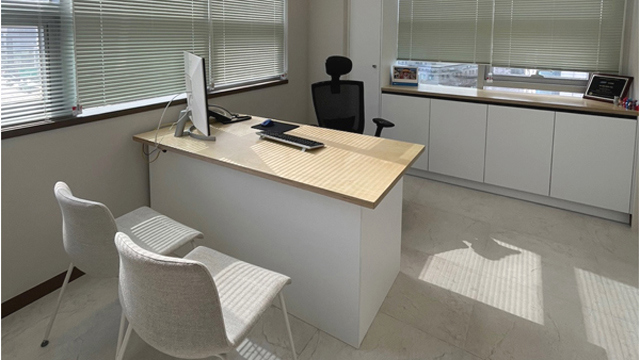
Adult ADHD requires diagnostic precision, objective assessment tools, and an integrated treatment approach that addresses both the core condition and its frequent co-occurring psychiatric complications. At Samsung Gonggam Psychiatry Clinic, CAT-based objective attention testing combined with board-certified psychiatric expertise delivers a standard of adult ADHD care that goes beyond screening questionnaires and general advice.
- CAT comprehensive attention testing — objective, standardized evaluation of five attention domains supporting accurate diagnosis and targeted treatment
- Integrated medication and CBT treatment — addressing both neurobiological and behavioral dimensions of adult ADHD within a unified plan
- Comprehensive co-occurring condition care — treating depression, anxiety, and substance use alongside ADHD for optimal outcomes
- Stigma-free, empathy-led care grounded in Gonggam (공감) — for adults who have been misunderstood, mislabeled, or simply never assessed
Adult ADHD Is Treatable — And Understanding It Changes Everything
If you recognize the pattern of adult ADHD in your own life — the missed deadlines, the impulsive decisions, the gap between ability and performance — effective, compassionate care is available. At Samsung Gonggam Psychiatry Clinic, the first step is a thorough consultation and CAT assessment with a board-certified psychiatrist who will evaluate your attention function objectively and work with you toward a treatment plan that addresses both the condition and its consequences.
[Book Your Adult ADHD Consultation at Samsung Gonggam Psychiatry Clinic]
Contact our clinic today. Same-week appointments are available and no referral is required. You will be connected directly with our appointment team to find a time that works for you.
Other Services
Explore additional treatments offered by our specialists.

Alcohol Use Disorder
The term alcoholism is widely used but clinically imprecise.
Learn More

Stress Management
Stress is the physical and mental response that occurs when a person feels that what they are facing exceeds their capacity to cope.
Learn More

Binge Eating / Obesity
Binge eating and stress-related obesity are conditions where the psychological dimension is not secondary to the clinical picture — it is central to it.
Learn More