Personalized Medical Care & Dedicated International Patient Concierge


Depression Therapy · Needs Clinic Confirmation
Depression in Children & Teens
Depression in children and adolescents is often misunderstood or overlooked. Unlike adults, young patients rarely express sadness directly.
Schedule a Consultation
What Is Depression in Children and Teens?
Depression in children and adolescents is often misunderstood or overlooked. Unlike adults, young patients rarely express sadness directly. Instead, depression in this age group may appear as persistent irritability, sudden academic decline, school refusal, unexplained physical complaints, or social withdrawal. These are not simply behavioral problems or phases — they are clinical signals that deserve professional attention.
Psychiatrically, depression is not a temporary low mood. It represents a sustained decline across multiple domains of mental functioning, including thought patterns, motivation, sleep, energy, and behavior. When five or more diagnostic symptoms persist for two weeks or longer — occurring nearly every day — a clinical diagnosis of depression is warranted. In children and teens, this condition can significantly interfere with development, academic performance, family relationships, and long-term emotional health.
Early identification and treatment are essential. The longer depression goes unaddressed in a young person, the greater the risk of compounding difficulties including anxiety disorders, social isolation, and in more serious cases, self-harm or suicidal thinking. At Samsung Gonggam Psychiatry Clinic, our specialists are trained to recognize the specific ways depression presents across different developmental stages — from elementary school age through late adolescence.
How Depression in Children & Teens Differs From Adult Depression
One of the most important clinical distinctions in child and adolescent psychiatry is that young patients express depressive symptoms differently than adults. A teenager who seems angry, disruptive, or unmotivated may not be labeled as depressed by teachers or even parents — yet these presentations can reflect the same underlying condition as classic adult depression.
Common presentations by age group include:
- Children (ages 6–12): Irritability, frequent crying, complaints of stomachaches or headaches with no medical cause, refusal to attend school, declining grades, loss of interest in play or hobbies
- Teenagers (ages 13–18): Persistent low mood, withdrawal from friends and family, increased conflict or rebellious behavior, changes in sleep patterns, fatigue, feelings of worthlessness, difficulty concentrating, and in some cases, thoughts of self-harm or death
These presentations require a clinician who understands child development, family dynamics, and adolescent psychology — not just general psychiatric care. Dr. Chae Soohyun, Director at Samsung Gonggam Psychiatry Clinic, holds specialized training in child and adolescent psychiatry and brings focused clinical experience to every young patient she evaluates.
Who Needs Depression Treatment for Children & Teens?
Depression in young people rarely announces itself clearly. Parents and caregivers are often the first to notice that something has changed — even when they cannot identify exactly what it is. Professional evaluation is recommended when behavioral or emotional changes are persistent, unexplained, or interfering with daily life.
Your child or teenager may benefit from a psychiatric evaluation if they are experiencing:
- Persistent irritability, sadness, or emotional flatness lasting more than two weeks
- Sudden or gradual decline in school performance or attendance
- Withdrawal from friends, family, or activities they previously enjoyed
- Frequent unexplained physical complaints such as headaches, stomachaches, or fatigue
- Significant changes in sleep — either sleeping too much or struggling to sleep at night
- Loss of appetite or noticeable changes in eating habits
- Expressions of hopelessness, worthlessness, or feeling like a burden
- Any mention of not wanting to be alive, self-harm, or thoughts of death
- Increased risk-taking behavior, substance use, or delinquency in teenagers
- A history of trauma, family disruption, or significant life stress
Depression is a medical condition, not a reflection of parenting, character, or willpower. Seeking evaluation is not an overreaction — it is one of the most important steps a family can take.
Meet the Specialists in Child & Adolescent Depression Therapy
|
|
Dr. Hyunwook Cho MD MSc. Medical Doctor, | Dr. Soohyun Chae MD MSc. Medical Doctor, |
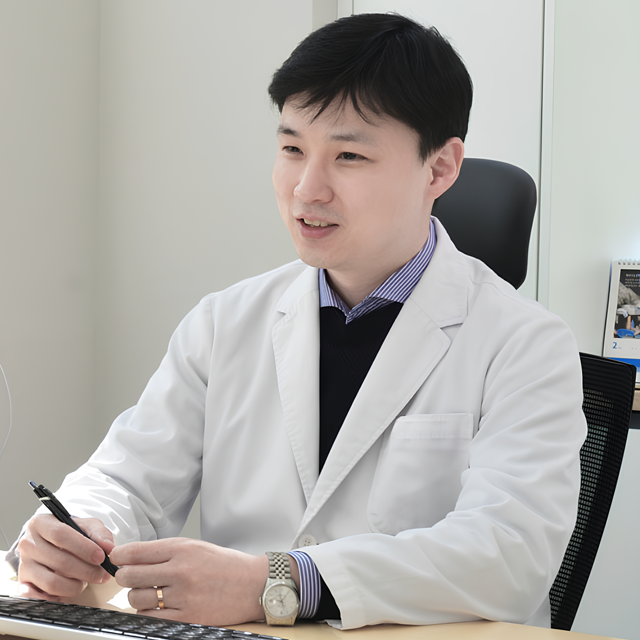

Samsung Gonggam Psychiatry Clinic – Dongja Branch is led by two board-certified psychiatrists whose combined training and specializations make them uniquely equipped to treat depression in children and adolescents.
- Dr. Cho Hyunwook — Representative Director: Dr. Cho completed his psychiatric residency at Samsung Seoul Hospital and holds a Master of Medicine from Sungkyunkwan University. He currently serves as an Adjunct Professor in the Department of Psychiatry at Samsung Seoul Hospital, bringing academic-level expertise to everyday clinical practice. His career spans military psychiatry, private practice, and clinical directorship — giving him a broad perspective on how depression manifests across populations and life stages. Dr. Cho is a Lifetime Member of the Korean Academy of Child and Adolescent Psychiatry, reflecting a long-standing commitment to youth mental health, and holds full membership in the Korean Neuropsychiatric Association and the Korean Association for Analytic Psychotherapy.
- Dr. Chae Soohyun — Director: Dr. Chae graduated from Seoul National University College of Medicine and completed both her internship and psychiatric residency at Seoul National University Hospital — among the most respected training programs in South Korea. She is currently a PhD Candidate in Medicine at Seoul National University, with focused research interests in community mental health, child and adolescent psychiatry, and women's mental health. Prior to joining Samsung Gonggam Psychiatry Clinic, Dr. Chae served as a physician at the Seoul Sunflower Center and as Mental Health Doctor-in-Charge for Mokpo City. She is available Monday through Thursday and is a full member of both the Korean Neuropsychiatric Association and the Korean Academy of Child and Adolescent Psychiatry.
Together, both physicians share a care philosophy rooted in the clinic's founding principle — Gonggam (공감), the Korean word for empathy — ensuring that every young patient is truly heard before any treatment is recommended.
Treatment Areas and What Families Can Expect
Depression in young people affects multiple areas of life simultaneously. Effective treatment addresses not just mood, but the broader impact on daily functioning, relationships, and development.
Key areas targeted in child and teen depression treatment include:
- Emotional regulation: Reducing persistent low mood, irritability, and emotional instability that disrupt home and school life
- Academic functioning: Addressing concentration difficulties, motivational decline, and school avoidance that affect academic performance
- Sleep and physical health: Treating insomnia, hypersomnia, fatigue, and unexplained physical symptoms linked to depressive illness
- Social withdrawal: Supporting re-engagement with peers, family, and activities that contribute to healthy adolescent development
- Suicidal ideation and self-harm risk: Careful, sensitive screening and safety planning where clinically indicated
- Family dynamics: Guidance for parents and caregivers on how to support a depressed child without reinforcing avoidance or escalating conflict
Families can expect gradual, measurable progress rather than overnight change. With consistent treatment, many young patients experience improved mood stability, better sleep, renewed engagement in daily activities, and stronger communication with family members. Individual results vary, and treatment timelines depend on the severity of the condition, the patient's age, and their response to care. No specific outcome is guaranteed, but evidence-based treatment significantly improves the likelihood of meaningful recovery.
The Depression Treatment Process at Samsung Gonggam Psychiatry Clinic

Seeking psychiatric care for a child can feel unfamiliar or even daunting. At Samsung Gonggam Psychiatry Clinic, the process is designed to be clear, collaborative, and as comfortable as possible for both the patient and their family.
1. Initial Consultation and Psychiatric Assessment: The first appointment involves a comprehensive evaluation conducted by one of our board-certified psychiatrists. For younger patients, this typically includes both a parent or caregiver interview and a direct assessment with the child or teen. The psychiatrist will gather detailed information about the presenting symptoms, duration, developmental history, family background, school environment, and any prior mental health concerns.
2. Diagnostic Clarification: Using internationally recognized diagnostic criteria, the psychiatrist will determine whether the symptoms meet the threshold for a depressive disorder, and whether any co-occurring conditions — such as anxiety, ADHD, or a learning difficulty — may be contributing to the clinical picture. A clear and honest explanation of the findings is shared with the family.
3. Individualized Treatment Planning: No two patients experience depression in the same way. Treatment plans are developed collaboratively, taking into account the child's age, symptom severity, family circumstances, and personal goals. Depending on the clinical assessment, treatment may involve psychiatric medication, structured therapeutic support, psychoeducation for the family, or a combination of approaches.
4. Ongoing Monitoring and Follow-Up: Depression treatment in young people requires careful monitoring over time. Regular follow-up appointments allow the psychiatrist to assess treatment response, adjust medication doses if needed, and provide continued guidance to the family. Progress is evaluated not just by symptom reduction, but by improvements in daily functioning and quality of life.
5. Family Involvement and Psychoeducation: Parents and caregivers play a critical role in supporting a child through depression. Our team provides practical guidance on how to respond to your child's symptoms at home, how to communicate effectively during difficult periods, and what warning signs to watch for between appointments.
Typical appointments are conducted within our regular clinic hours — Monday through Friday, 9:30 AM to 6:30 PM, and Saturday mornings — making it accessible for working families.
Safety, Evidence Base, and What to Realistically Expect
Psychiatric treatment for children and adolescents is held to a high standard of safety and clinical evidence. At Samsung Gonggam Psychiatry Clinic, all treatment decisions are guided by current evidence-based protocols recognized by Korean and international psychiatric bodies.
When medication is considered appropriate, our psychiatrists discuss the rationale, expected effects, and potential side effects openly with both the patient and their family before any prescription is made. Common side effects of antidepressant medications in young people — such as mild nausea, changes in sleep, or initial restlessness — are temporary in most cases and are closely monitored throughout treatment. Serious adverse effects are rare but are always discussed as part of informed consent.
It is important to understand that psychiatric treatment, particularly for depression, is not a rapid fix. Meaningful improvement typically becomes noticeable within several weeks of consistent treatment, and full stabilization may take longer depending on the individual. The goal is sustainable recovery — not just symptom suppression — so that young patients can return to healthy development and daily life.
Why Choose Samsung Gonggam Psychiatry Clinic for Child & Teen Depression?
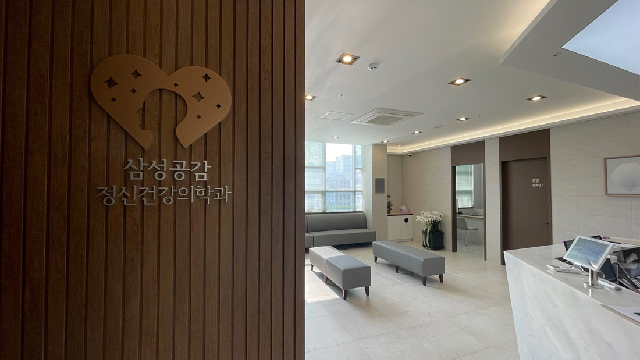
Samsung Gonggam Psychiatry Clinic was founded on the belief that quality mental health care should be accessible, empathetic, and free from stigma. The name Gonggam (공감) — meaning empathy in Korean — is not a marketing phrase. It is the clinical standard by which every consultation is conducted.
The Dongja Branch brings together two psychiatrists whose training represents the highest tier of Korean academic medicine — Samsung Seoul Hospital and Seoul National University Hospital — in a setting designed to feel approachable rather than clinical. For families navigating the psychiatric care system for the first time, this matters enormously.
With over 12,000 consultations completed annually across ten nationwide clinics, Samsung Gonggam Psychiatry Clinic combines the trust and consistency of an established network with the personalized attention of a dedicated local practice. International residents and expat families living in Seoul will find a team experienced in serving patients from diverse cultural and linguistic backgrounds.
What sets Samsung Gonggam Psychiatry Clinic apart:
- Specialized child & adolescent expertise: Both Dr. Cho and Dr. Chae hold active membership in the Korean Academy of Child and Adolescent Psychiatry — bringing focused, up-to-date knowledge to every young patient's care
- Academic-level clinical depth: An Adjunct Professorship at Samsung Seoul Hospital and ongoing doctoral research at Seoul National University ensure that treatment reflects current psychiatric science, not outdated protocols
- Empathy-first approach: Every consultation — whether a first visit or ongoing care — is conducted with the patience, sensitivity, and respect that young patients and their families deserve
- Accessible and consistent: Conveniently located near Sungsil University Station with regular weekday and Saturday hours, making ongoing treatment practical for busy families
Real Patient Experiences
Parent of a 14-year-old, school refusal and withdrawal
"My son stopped going to school and wouldn't leave his room. I didn't know if it was depression or just teenage behavior. After his first consultation at Samsung Gonggam, the doctor explained everything clearly and without judgment — to both of us. Three months into treatment, he's attending school again and talking to us more than he has in years."
Parent of a 10-year-old, persistent irritability and physical complaints
"Our daughter had stomach aches almost every morning before school and was constantly crying or angry. We'd been to two pediatricians before a friend suggested a psychiatric evaluation. Dr. Chae was so gentle with her. Within a few weeks, the physical symptoms almost completely stopped."
Take the First Step Toward Your Child's Recovery
Depression does not resolve on its own in most cases — and the earlier it is addressed, the better the outcome for your child's development, relationships, and future wellbeing. If you have noticed changes in your child or teenager that concern you, a single consultation can provide the clarity and direction your family needs.
At Samsung Gonggam Psychiatry Clinic, our child and adolescent depression specialists are ready to listen — without judgment, without rush, and with the genuine empathy that every young patient deserves.
[Book a Child & Teen Depression Consultation Today]
Your first step is simply reaching out. Our team will guide you through everything that follows — from the initial assessment to an individualized treatment plan designed around your child's specific needs and your family's circumstances. We are here to help you understand what your child is experiencing and how best to support their recovery.
📞 Contact our appointment desk to speak directly with our care coordination team and schedule a consultation at a time that works for your family.
Other Services
Explore additional treatments offered by our specialists.

Alcohol Use Disorder
The term alcoholism is widely used but clinically imprecise.
Learn More

Stress Management
Stress is the physical and mental response that occurs when a person feels that what they are facing exceeds their capacity to cope.
Learn More

Binge Eating / Obesity
Binge eating and stress-related obesity are conditions where the psychological dimension is not secondary to the clinical picture — it is central to it.
Learn More