Personalized Medical Care & Dedicated International Patient Concierge


Sleep Disorder Management · Needs Clinic Confirmation
Insomnia
Insomnia is the most common sleep disorder, affecting more than 20% of the population at some point in their lives.
Schedule a Consultation
What Is Insomnia — And When Does It Require Professional Treatment?
Insomnia is the most common sleep disorder, affecting more than 20% of the population at some point in their lives. It encompasses three distinct patterns: difficulty falling asleep at the beginning of the night, difficulty staying asleep with frequent awakening during the night, and early morning awakening — waking significantly before the intended time and being unable to return to sleep. Many patients experience a combination of all three.
A poor night of sleep is a universal human experience. Insomnia becomes a clinical condition when sleep difficulty is persistent, recurring, and producing real consequences in daily life. When the inability to sleep is affecting concentration at work, emotional stability, physical energy, and quality of relationships — and when it continues week after week despite reasonable efforts to address it — professional psychiatric evaluation is the appropriate and necessary next step.
The consequences of untreated insomnia extend well beyond fatigue. Chronic sleep disruption is associated with learning difficulties, reduced occupational performance, increased accident risk, and significant emotional disturbance. When insomnia persists over time, it can worsen existing medical, neurological, and psychiatric conditions — and has been linked to serious health outcomes including cardiovascular disease. Sleep is not a luxury. It is a clinical necessity, and its disruption deserves to be treated as such.
At Samsung Gonggam Psychiatry Clinic, insomnia is assessed and treated with the clinical thoroughness and personal empathy that every sleep disorder requires.
Understanding Insomnia: How It Presents and What It Does
- The Three Patterns of Insomnia: Insomnia presents in three clinically recognized patterns, each with distinct features and treatment considerations. Sleep onset insomnia — difficulty falling asleep at the start of the night — is often associated with racing thoughts, anxiety, or hyperarousal that prevents the transition from wakefulness to sleep. Sleep maintenance insomnia — frequent awakening during the night — produces fragmented, non-restorative sleep even when total sleep time appears adequate. Early morning awakening — waking well before the intended time and being unable to return to sleep — is frequently associated with depression and represents a particularly disruptive pattern for mood and daily functioning.
- The Cumulative Impact of Chronic Insomnia: What makes insomnia particularly damaging as a clinical condition is its cumulative nature. A single sleepless night is recoverable. Weeks and months of consistently disrupted sleep produce a deficit that affects every domain of functioning. Cognitively, chronic insomnia impairs concentration, memory consolidation, decision-making, and reaction time. Emotionally, it amplifies anxiety, reduces frustration tolerance, and is one of the most significant risk factors for the development and worsening of depression. Physically, sustained sleep deprivation places measurable stress on cardiovascular, immune, and metabolic systems.
- Insomnia and Its Relationship to Psychiatric Health: Insomnia and psychiatric conditions exist in a bidirectional relationship that is clinically critical to understand. Depression frequently causes insomnia — particularly early morning awakening — while chronic insomnia significantly increases the risk of developing depression. Anxiety both causes and is worsened by insomnia. ADHD is consistently associated with sleep onset difficulties. At Samsung Gonggam Psychiatry Clinic, insomnia assessment always considers this broader psychiatric context, ensuring that co-occurring conditions are identified and that treatment addresses the complete clinical picture.
Who Needs Professional Insomnia Treatment?
Insomnia is frequently normalized — dismissed as stress, aging, or a personality trait rather than recognized as a treatable clinical condition. Professional evaluation is strongly advisable if you recognize yourself in any of the following:
- Adults who regularly take more than 20–30 minutes to fall asleep despite feeling tired — lying awake with racing thoughts, physical tension, or an inability to switch off that resists all reasonable efforts
- Those who wake frequently during the night — multiple times per night, for extended periods — and who find that returning to sleep is difficult, slow, or impossible regardless of tiredness
- People who wake significantly earlier than intended and are unable to return to sleep — lying awake from 3 or 4am regardless of what time they went to bed, arriving at the day already exhausted
- Adults whose sleep difficulty has persisted for weeks or months — for whom poor sleep is no longer an occasional bad night but a consistent, expected pattern that has become the new normal
- Those whose daytime functioning is noticeably affected — concentration difficulties, memory lapses, emotional volatility, persistent fatigue, or reduced performance at work or in daily responsibilities
- People who have tried standard sleep hygiene measures without sustained improvement — who have adjusted their sleep schedule, reduced caffeine, limited screen time, and still cannot sleep reliably
- Adults with a known or suspected psychiatric condition — depression, anxiety, ADHD — in whom insomnia is a significant feature that may be both symptom and contributing factor
- Those whose relationship with sleep has become anxious — who dread bedtime, monitor the clock through the night, and feel a growing preoccupation with sleep that itself interferes with the ability to sleep
Meet the Specialists in Insomnia and Sleep Disorder Management
|
|
Dr. Hyunwook Cho MD MSc. Medical Doctor, | Dr. Soohyun Chae MD MSc. Medical Doctor, |


Dr. Cho Hyunwook — Representative Director
Dr. Cho Hyunwook holds a Master of Medicine from Sungkyunkwan University and completed his psychiatric residency at Samsung Seoul Hospital. As Adjunct Professor in the Department of Psychiatry at Samsung Seoul Hospital, he brings academic clinical expertise directly into outpatient practice. His career spans military psychiatry as Chief of Psychiatry at the ROK Armed Forces Military Hospital in Hongcheon, clinical directorship at Seoul Myeong Hospital, and private practice leadership at Haesol Psychiatry Clinic in Incheon.
A Full Member of the Korean Neuropsychiatric Association and the Korean Association for Analytic Psychotherapy, and a Lifetime Member of the Korean Academy of Child and Adolescent Psychiatry, Dr. Cho brings extensive experience in sleep disorder assessment within a comprehensive psychiatric framework — recognizing the deep relationship between sleep quality, mood regulation, and overall mental health.
Dr. Chae Soohyun — Director
Dr. Chae Soohyun graduated from Seoul National University College of Medicine and completed her internship and psychiatric residency at Seoul National University Hospital. A current PhD Candidate in Medicine at Seoul National University, she combines active research engagement with clinical experience that includes specialist work at the Seoul Sunflower Center and public mental health leadership as Doctor-in-Charge for Mokpo City.
Her specializations in child and adolescent psychiatry and women's mental health are particularly relevant to insomnia assessment — insomnia presents distinctly across life stages and carries significant clinical features in the context of hormonal transitions, perinatal periods, and adolescent development. A Full Member of the Korean Neuropsychiatric Association and the Korean Academy of Child and Adolescent Psychiatry, Dr. Chae approaches insomnia with both clinical precision and genuine sensitivity to the exhausting and demoralizing experience of chronic sleep loss.
Both psychiatrists practice under the founding value of Samsung Gonggam Psychiatry Clinic — Gonggam (공감), empathy — ensuring every patient presenting with insomnia is met with the understanding and respect that forms the foundation of effective care.
Insomnia Treatment: What the Process Addresses
- Sleep Onset and the Racing Mind at Bedtime: For patients with sleep onset insomnia, treatment works to reduce the cognitive and physiological hyperarousal that prevents the transition to sleep. As treatment progresses, the time taken to fall asleep typically decreases and the experience of bedtime shifts from dread and frustration toward calm and readiness. Individual results vary and no specific outcome is guaranteed.
- Night Waking and Sleep Continuity: Fragmented sleep — waking repeatedly through the night — is addressed through a combination of pharmacological management where clinically indicated and structured behavioral intervention. Improving sleep continuity is one of the most impactful changes treatment can produce: consolidated, uninterrupted sleep is qualitatively different from the same number of hours in fragmented form, and its restorative value is considerably greater. Results are individual and timelines vary.
- Early Morning Awakening and Mood: Early morning awakening — particularly when associated with depression — is addressed as part of an integrated treatment plan that targets both the sleep disorder and any co-occurring mood condition. Improvement in this pattern is often one of the earliest and most meaningful indicators of treatment response, and its resolution produces a disproportionately positive impact on daytime mood and energy.
- Sleep Anxiety and the Relationship with Bedtime: Many patients with chronic insomnia develop a secondary anxiety specifically about sleep — dreading bedtime, monitoring the clock, and ruminating about the consequences of another poor night. This anxiety itself perpetuates insomnia in a reinforcing cycle that behavioral and psychotherapeutic components of treatment address directly. As the relationship with sleep becomes less fraught, sleep itself typically improves.
The Insomnia Treatment Process at Samsung Gonggam Psychiatry Clinic
1. Initial Psychiatric Sleep Consultation: Your first appointment is a comprehensive, unhurried evaluation of your sleep patterns, sleep history, psychiatric health, and the specific ways insomnia is affecting your daily life. Your psychiatrist will explore which pattern of insomnia you experience, how long it has been present, what appears to worsen or improve it, and what you have already tried. This assessment forms the foundation of your individualized treatment plan.
2. Diagnosis and Contributing Factor Assessment: Accurate diagnosis includes identifying the specific pattern of insomnia and assessing for co-occurring psychiatric conditions — depression, anxiety, ADHD — that may be contributing to sleep disruption. Understanding the full clinical picture is essential to developing a treatment plan that addresses causes rather than symptoms alone.
3. Individualized Treatment Planning: Your plan is developed collaboratively, with your diagnosis, sleep patterns, lifestyle, and personal circumstances at the center. Insomnia treatment integrates pharmacological management where clinically appropriate with structured sleep hygiene guidance and behavioral strategies — paced to your needs and agreed upon together before implementation.
4. Sleep Hygiene and Behavioral Intervention: Structured sleep hygiene guidance forms an evidence-based component of insomnia care. This includes maintaining consistent sleep and wake times, keeping the sleep environment quiet, dark, and appropriately cool, avoiding caffeine and alcohol before bed, timing exercise appropriately, avoiding screens and clock-watching in bed, and establishing the critical behavioral principle that the bed is for sleep only. If sleep has not come within 20 minutes of lying down, getting up and doing something quiet until sleepiness returns is recommended. These guidelines are tailored to your specific situation.
5. Ongoing Monitoring and Treatment Refinement: Regular follow-up appointments allow your psychiatrist to monitor your sleep progress, address any concerns, and adjust the treatment plan as your condition evolves. Insomnia treatment is a process — and consistent clinical attention through the treatment period is what allows sleep quality to improve and consolidate over time.
Results, Safety, and What to Expect

Insomnia responds well to evidence-based psychiatric management, and meaningful improvement in sleep onset, continuity, and daytime functioning is achievable for the majority of patients who engage consistently with care. Individual timelines vary, and realistic expectations are established clearly during the initial consultation.
Where medication forms part of the treatment plan, it is selected carefully, discussed openly, and monitored throughout treatment. Possible side effects vary by medication and individual and are reviewed at every follow-up. Sleep hygiene and behavioral components carry no significant risk and are calibrated entirely to your circumstances and readiness.
No specific outcome can be guaranteed, and individual results differ. Samsung Gonggam Psychiatry Clinic commits to a treatment process that is transparent, collaborative, evidence-based, and genuinely attentive to your progress from the first consultation through to lasting, restorative sleep.
Real Patient Experiences: Insomnia Care at Samsung Gonggam Psychiatry Clinic
"I hadn't slept properly in over a year" — Office Professional, Late 30s
This patient came to Samsung Gonggam Psychiatry Clinic after more than a year of sleep onset insomnia — lying awake for hours each night, watching the clock, and arriving at work each day already exhausted. A comprehensive assessment identified both chronic insomnia and an underlying anxiety pattern that had been sustaining it. A treatment plan addressing both produced a gradual but consistent improvement in sleep onset and a significant reduction in the bedtime anxiety that had been compounding the problem.
"I kept waking at 4am no matter what time I went to bed" — Homemaker, Early 50s
Early morning awakening had been disrupting this patient's sleep for several months, accompanied by a low mood and persistent fatigue she had attributed to menopause and life stress. Assessment at Samsung Gonggam Psychiatry Clinic identified a depressive episode alongside the insomnia, and an integrated treatment plan addressed both together. Improvement in sleep continuity was among the first changes she noticed — followed by a gradual lift in mood and energy that she described as feeling like herself again.
Why Choose Samsung Gonggam Psychiatry Clinic for Insomnia Treatment?
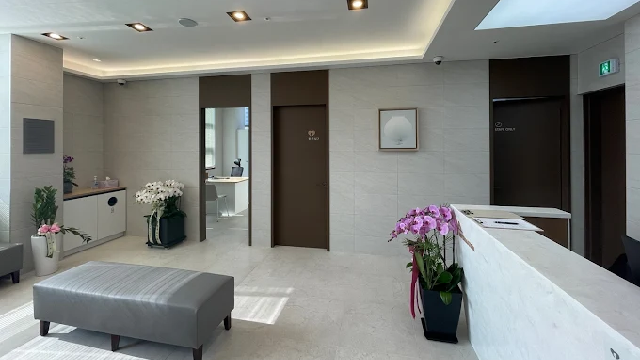
Insomnia is one of the most common and most undertreated conditions in psychiatry — frequently dismissed as a lifestyle issue rather than recognized as a clinical condition with real health consequences. At Samsung Gonggam Psychiatry Clinic, it is assessed and treated with the seriousness it deserves: within a comprehensive psychiatric framework led by board-certified specialists trained at Samsung Seoul Hospital and Seoul National University Hospital.
- Accurate insomnia diagnosis — identifying the specific pattern and contributing psychiatric factors to ensure targeted, effective treatment
- Integrated sleep and psychiatric care — addressing co-occurring depression, anxiety, or ADHD alongside insomnia within a unified plan
- Individualized sleep hygiene guidance — evidence-based behavioral recommendations tailored to your specific circumstances
- Stigma-free, empathy-led care grounded in Gonggam (공감) — for patients who have been losing sleep, and hope, for far too long
You Deserve to Sleep — Insomnia Treatment Starts Here
If sleepless nights have become your norm — if exhaustion is affecting your work, your mood, and your sense of yourself — effective, compassionate care is available. At Samsung Gonggam Psychiatry Clinic, the first step is a thorough consultation with a board-certified psychiatrist who will take your sleep disorder seriously and work with you toward a plan that restores the rest you need.
[Book Your Insomnia Consultation at Samsung Gonggam Psychiatry Clinic]
Contact our clinic today to schedule your consultation. Same-week appointments are available and no referral is required. You will be connected directly with our appointment team to find a time that works for you.
Other Services
Explore additional treatments offered by our specialists.

Alcohol Use Disorder
The term alcoholism is widely used but clinically imprecise.
Learn More

Stress Management
Stress is the physical and mental response that occurs when a person feels that what they are facing exceeds their capacity to cope.
Learn More

Binge Eating / Obesity
Binge eating and stress-related obesity are conditions where the psychological dimension is not secondary to the clinical picture — it is central to it.
Learn More