Personalized Medical Care & Dedicated International Patient Concierge


Schizophrenia Treatment · Needs Clinic Confirmation
Long-Term Schizophrenia Maintenance
Schizophrenia is one of psychiatry's most complex and consequential conditions.
Schedule a Consultation
What Is Schizophrenia — And Why Does It Require Long-Term Psychiatric Care?
Schizophrenia is one of psychiatry's most complex and consequential conditions. It is a brain disorder — a neurological disease rooted in brain abnormality — that produces widespread disruption across multiple dimensions of personality and functioning: thought, emotion, perception, and behavior. Because the brain governs every aspect of human mental and physical life, its dysregulation in schizophrenia produces a remarkably diverse range of symptoms that can change in nature and intensity over the course of the illness.
Schizophrenia is not a single disease but a group of related conditions sharing common clinical features. It presents differently in different people — and differently in the same person at different stages of their illness. Understanding which symptoms are active, which are residual, and how the overall clinical picture is evolving over time requires the kind of sustained, specialist psychiatric attention that long-term maintenance care provides.
What makes long-term care particularly critical in schizophrenia is the risk of relapse. Without consistent treatment and monitoring, the likelihood of acute symptom recurrence is significantly elevated — and each relapse carries the risk of incomplete recovery, cumulative functional decline, and reduced quality of life. Evidence consistently shows that sustained, well-managed outpatient psychiatric care is the most effective approach to minimizing relapse risk, supporting functional recovery, and enabling patients with schizophrenia to live as fully and independently as possible.
At Samsung Gonggam Psychiatry Clinic, long-term schizophrenia maintenance is provided with the clinical depth and personal commitment this condition demands.
Understanding Schizophrenia: Symptoms Across the Course of the Illness
- Positive Symptoms: Positive symptoms represent distorted mental functions expressed outwardly — an excess or distortion of normal experience. Hallucinations, most commonly auditory, involve experiencing stimuli that have no external source: hearing voices that others cannot hear is the most recognized presentation. Delusions are firmly held false beliefs — most commonly persecutory in nature — that are maintained despite clear contradicting evidence. Disorganized thought process produces illogical speech, irrelevant responses, and incoherence that makes communication difficult. Positive symptoms are typically most prominent during acute episodes and are the features most recognizable to others.
- Negative Symptoms: Negative symptoms represent the loss or significant reduction of normal mental functions. Blunted or flat affect — a marked reduction in the range and expressiveness of emotional response — is among the most characteristic. Poverty of thought, loss of motivation, social withdrawal, and reduced engagement with daily life are also central features. Negative symptoms are often less dramatic than positive symptoms but frequently more persistent and more damaging to long-term functioning and quality of life.
- Cognitive Symptoms: Cognitive impairment in schizophrenia affects concentration, memory, learning capacity, and problem-solving — producing a decline in social and occupational functioning that can be as disabling as the more visible symptoms. Cognitive symptoms are present across all phases of the illness and are a primary target of long-term maintenance care.
- Residual Phase: Following an acute episode, many patients enter a residual phase in which the intensity of positive symptoms decreases but negative symptoms and cognitive impairment remain prominent. Long-term maintenance care is most critical during this phase — sustaining the gains made during acute treatment and preventing the deterioration that inadequate follow-up allows.
Who Needs Long-Term Schizophrenia Maintenance Care?
Long-term psychiatric maintenance is appropriate and strongly advisable for any patient with a confirmed or suspected schizophrenia diagnosis. Ongoing specialist care is particularly important for:
- Patients with a confirmed schizophrenia diagnosis who are currently stable and want to maintain that stability through consistent psychiatric monitoring and medication management
- Those who have experienced one or more acute episodes and want to minimize the risk of relapse through sustained specialist oversight and early intervention when warning signs appear
- Adults in the residual phase of schizophrenia — whose acute positive symptoms have reduced but who continue to experience negative symptoms, cognitive difficulties, and functional impairment that require ongoing clinical attention
- Patients whose medication regimen needs regular review — for whom consistent pharmacological management is central to maintaining stability and whose treatment should be monitored by a board-certified psychiatrist
- Families and caregivers supporting a person with schizophrenia who want professional guidance, education about the illness, and a consistent clinical contact for questions and concerns
- Those who have experienced treatment gaps — periods without consistent psychiatric care — and who want to re-establish the ongoing specialist support that schizophrenia management requires
- Adults with schizophrenia and co-occurring conditions — depression, anxiety, or substance use — in whom integrated psychiatric management of all conditions is essential to overall stability
- Patients transitioning from inpatient or intensive care who need a reliable, skilled outpatient psychiatric setting to continue their recovery and maintain the gains achieved during acute treatment
If two or more diagnostic criteria — including at least one of delusions, hallucinations, or disorganized speech — have been present for one month or more, alongside six months or more of negative or attenuated positive symptoms, specialist psychiatric consultation is strongly recommended.
Meet the Specialists in Schizophrenia and Long-Term Psychiatric Maintenance
|
|
Dr. Hyunwook Cho MD MSc. Medical Doctor, | Dr. Soohyun Chae MD MSc. Medical Doctor, |
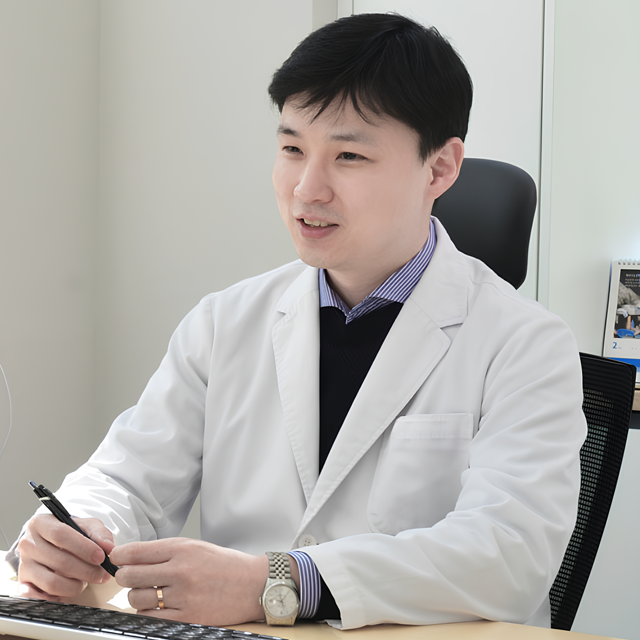

Dr. Cho Hyunwook — Representative Director
Dr. Cho Hyunwook holds a Master of Medicine from Sungkyunkwan University and completed his psychiatric residency at Samsung Seoul Hospital. As Adjunct Professor in the Department of Psychiatry at Samsung Seoul Hospital, he brings academic-level clinical expertise directly into outpatient practice. His career spans military psychiatry as Chief of Psychiatry at the ROK Armed Forces Military Hospital in Hongcheon, clinical directorship at Seoul Myeong Hospital, and private practice leadership at Haesol Psychiatry Clinic in Incheon.
A Full Member of the Korean Neuropsychiatric Association and the Korean Association for Analytic Psychotherapy, and a Lifetime Member of the Korean Academy of Child and Adolescent Psychiatry, Dr. Cho brings extensive experience in the long-term management of serious psychiatric conditions — combining pharmacological precision with a treatment philosophy that respects the dignity and personal goals of every patient.
Dr. Chae Soohyun — Director
Dr. Chae Soohyun graduated from Seoul National University College of Medicine and completed her internship and psychiatric residency at Seoul National University Hospital. A current PhD Candidate in Medicine at SNU, she combines active research engagement with clinical experience including specialist work at the Seoul Sunflower Center and public mental health leadership as Doctor-in-Charge for Mokpo City.
Her specializations in child and adolescent psychiatry and community mental health are directly relevant to schizophrenia maintenance — a condition that frequently emerges in late adolescence or early adulthood and whose long-term management is profoundly shaped by community support, family involvement, and the continuity of outpatient psychiatric care. A Full Member of the Korean Neuropsychiatric Association and the Korean Academy of Child and Adolescent Psychiatry, Dr. Chae approaches schizophrenia with both clinical rigor and genuine compassion for the experience of patients and families navigating a long-term psychiatric condition.
Both psychiatrists practice under the founding value of Samsung Gonggam Psychiatry Clinic — Gonggam (공감), empathy — ensuring every patient with schizophrenia receives care that honors both their clinical needs and their humanity.
Long-Term Schizophrenia Maintenance: What Treatment Addresses
- Relapse Prevention and Symptom Monitoring: The primary goal of long-term schizophrenia maintenance is the prevention of acute relapse through consistent medication management and regular clinical monitoring. Early identification of symptom changes — before they escalate into a full acute episode — is one of the most impactful interventions available in schizophrenia care. Regular psychiatric follow-up creates the clinical relationship and the observation framework that makes early intervention possible. Individual results vary and no specific outcome is guaranteed.
- Medication Management and Treatment Optimization: Pharmacological treatment is the cornerstone of schizophrenia maintenance. Long-term medication management at Samsung Gonggam Psychiatry Clinic involves regular review of medication efficacy, side effect monitoring, and treatment adjustment as the patient's clinical picture evolves. The goal is the minimum effective dose that maintains stability with the best possible tolerability — supporting adherence and quality of life over the long term. Results are individual and timelines vary.
- Negative Symptoms and Functional Recovery: Negative symptoms — blunted affect, reduced motivation, social withdrawal, poverty of thought — are often the most persistent and functionally disabling features of schizophrenia in the maintenance phase. Long-term care directly addresses these symptoms within an integrated treatment plan, supporting the gradual recovery of social engagement, occupational functioning, and daily independence that defines meaningful long-term outcome.
- Cognitive Support and Daily Functioning: Cognitive impairment in schizophrenia — affecting concentration, memory, and problem-solving — is addressed as an integral component of maintenance care. Supporting cognitive functioning improves the patient's capacity to manage daily responsibilities, maintain relationships, and engage with any vocational or rehabilitative goals that form part of their long-term recovery plan.
The Long-Term Schizophrenia Treatment Process at Samsung Gonggam Psychiatry Clinic

- 1. Comprehensive Initial or Transitional Assessment: Whether you are presenting for the first time or transitioning from another treatment setting, your initial appointment involves a thorough evaluation of your current symptom profile, treatment history, medication regimen, functional status, and support network. This comprehensive picture forms the foundation of your individualized maintenance plan.
- 2. Diagnosis Confirmation and Clinical Formulation: For patients without a prior confirmed diagnosis, a thorough diagnostic assessment is conducted to confirm schizophrenia and clarify its specific features and phase. For patients with an existing diagnosis, a clinical formulation of current status — which symptoms are active, which are residual, and what risks require monitoring — guides the ongoing care plan.
- 3. Individualized Maintenance Treatment Planning: Your maintenance plan is developed collaboratively, with your clinical profile, personal goals, living situation, and support network at the center. Medication management, follow-up frequency, symptom monitoring protocols, and any additional support needs are agreed upon together and reviewed regularly.
- 4. Regular Psychiatric Follow-Up and Monitoring: Consistent follow-up appointments are the structural backbone of effective schizophrenia maintenance. These appointments allow your psychiatrist to monitor symptom stability, review medication efficacy and tolerability, identify early warning signs of relapse, and adjust the treatment plan as your condition evolves. The continuity of the clinical relationship built through regular follow-up is itself therapeutically valuable.
- 5. Family Guidance and Integrated Support: Where appropriate and with the patient's consent, family members and caregivers are included in the treatment process — provided with education about schizophrenia, guidance on supporting their family member effectively, and a consistent clinical contact for questions and concerns. Informed family support is one of the strongest protective factors in long-term schizophrenia outcomes.
Results, Safety, and What to Expect
Schizophrenia is a long-term condition, and treatment goals are oriented toward sustained stability, functional recovery, and quality of life rather than short-term symptom resolution. With consistent, well-managed maintenance care, many patients achieve meaningful reductions in relapse frequency, progressive improvement in functional capacity, and a quality of life significantly better than unmanaged illness would allow. Individual outcomes vary considerably and no specific result can be guaranteed.
Medication management is conducted carefully, with full discussion of options, expected effects, and potential side effects at every stage. Side effects are monitored regularly and addressed proactively. Samsung Gonggam Psychiatry Clinic commits to a treatment process that is transparent, collaborative, and genuinely attentive to both clinical outcomes and the personal experience of living with schizophrenia over the long term.
Real Patient Experiences: Schizophrenia Maintenance Care at Samsung Gonggam Psychiatry Clinic
"Consistent care made the difference between stability and repeated relapses" — Patient's Family Member
After two acute hospitalizations in three years, this patient's family sought a reliable outpatient psychiatric setting for long-term maintenance. At Samsung Gonggam Psychiatry Clinic, a structured maintenance plan with regular follow-up and careful medication review produced a period of sustained stability that had not previously been achieved. The family described the consistency of care and the accessibility of the clinical team as the factors that made the greatest practical difference.
"I finally felt like my illness was being managed, not just treated in a crisis" — Patient, Late 20s
This patient came to Samsung Gonggam Psychiatry Clinic following discharge from inpatient care, looking for a long-term outpatient setting that would provide the ongoing specialist attention his condition required. Regular follow-up appointments, consistent medication management, and the relationship built with his psychiatrist over time produced a progressive improvement in both symptom stability and daily functioning.
Why Choose Samsung Gonggam Psychiatry Clinic for Long-Term Schizophrenia Care?
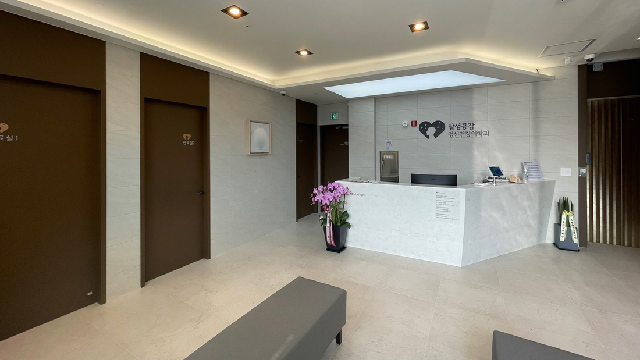
Schizophrenia requires a level of clinical commitment, diagnostic precision, and long-term consistency that not all outpatient settings provide. At Samsung Gonggam Psychiatry Clinic, board-certified psychiatrists trained at Samsung Seoul Hospital and Seoul National University Hospital deliver the specialist expertise and sustained personal attention that effective schizophrenia maintenance demands.
- Specialist long-term schizophrenia maintenance — structured, consistent care designed to minimize relapse risk and support sustained functional recovery
- Careful, ongoing medication management — regular review of efficacy and tolerability ensuring treatment remains optimized over time
- Integrated care for co-occurring conditions — addressing depression, anxiety, or other psychiatric conditions alongside schizophrenia within a unified treatment plan
- Stigma-free, empathy-led environment grounded in Gonggam (공감) — for patients and families navigating one of psychiatry's most demanding long-term conditions
Long-Term Care Changes Long-Term Outcomes — Schizophrenia Maintenance Starts Here
If you or a family member is living with schizophrenia and needs a reliable, expert outpatient setting for long-term maintenance — effective, compassionate care is available. At Samsung Gonggam Psychiatry Clinic, the first step is a thorough consultation with a board-certified psychiatrist who will assess the full clinical picture and work with you toward a maintenance plan built on consistency, expertise, and genuine empathy.
[Book Your Schizophrenia Consultation at Samsung Gonggam Psychiatry Clinic]
Contact our clinic today to schedule your consultation. Same-week appointments are available and no referral is required. You will be connected directly with our appointment team to find a time that works for you.
Other Services
Explore additional treatments offered by our specialists.

Alcohol Use Disorder
The term alcoholism is widely used but clinically imprecise.
Learn More

Stress Management
Stress is the physical and mental response that occurs when a person feels that what they are facing exceeds their capacity to cope.
Learn More

Binge Eating / Obesity
Binge eating and stress-related obesity are conditions where the psychological dimension is not secondary to the clinical picture — it is central to it.
Learn More