Personalized Medical Care & Dedicated International Patient Concierge

Sleep Disorder Management · Needs Clinic Confirmation
Narcolepsy (Hypersomnia)
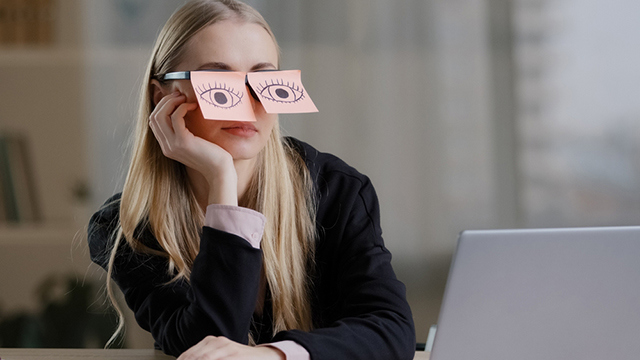
Narcolepsy and hypersomnia share a defining feature: excessive daytime sleepiness that is disproportionate to the amount of sleep obtained at night.
Schedule a Consultation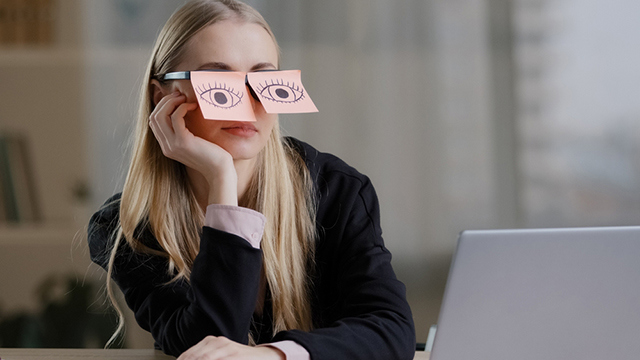
What Is Narcolepsy and Hypersomnia — And Why Does It Require Professional Evaluation?
Sleep disorders are among the most common and most underrecognized health conditions, affecting more than 20% of the population at some point in their lives. Within this broad category, narcolepsy and hypersomnia represent a specific and particularly disruptive pattern: the experience of severe, uncontrollable daytime sleepiness that persists despite adequate or even generous amounts of nighttime sleep.
For most people, sleeping six or more hours at night is enough to feel reasonably alert and functional the following day. For those with narcolepsy or hypersomnia, it is not. Despite a full night of sleep, the daytime is characterized by an overwhelming, often irresistible urge to sleep — one that interferes with concentration, productivity, safety, and quality of life in ways that are difficult to overstate. Falling asleep unexpectedly during work, study, conversations, or even while driving is not laziness or poor sleep discipline. It is a clinical condition that requires professional assessment and individualized treatment.
Sleep disorders, when left unaddressed, carry consequences that extend well beyond fatigue. Persistent sleep disruption is associated with learning difficulties, reduced occupational performance, emotional disturbances, and increased risk of accidents. Over time, untreated sleep disorders can worsen existing medical, neurological, and psychiatric conditions — and in more serious cases, contribute to the development of conditions including cardiovascular disease and stroke. Early, accurate diagnosis and appropriate treatment are therefore not simply about feeling more awake. They are about protecting long-term health.
At Samsung Gonggam Psychiatry Clinic, narcolepsy and hypersomnia are assessed and managed with the clinical thoroughness and personal attention that every sleep disorder deserves.
Understanding Narcolepsy and Hypersomnia: How They Present
- Narcolepsy and Hypersomnia — The Core Experience: Narcolepsy and hypersomnia share a defining feature: excessive daytime sleepiness that is disproportionate to the amount of sleep obtained at night. A person may sleep soundly for seven, eight, or more hours and still wake feeling unrefreshed — and then struggle to maintain alertness through the day regardless of effort, caffeine, or environmental stimulation.
This is not ordinary tiredness. The sleepiness associated with narcolepsy and hypersomnia is qualitatively different from the fatigue of a bad night's sleep or a demanding week. It is persistent, intrusive, and clinically significant — disrupting the capacity to function at work or school, to engage safely in daily activities including driving, and to maintain the quality of relationships and personal life that adequate alertness makes possible.
- How Narcolepsy and Hypersomnia Affect Daily Life: The impact of unmanaged narcolepsy or hypersomnia reaches into every domain of a patient's life. Professionally, the inability to sustain alertness through a working day leads to performance difficulties, mistakes, and the perception by others — and sometimes by the patient themselves — of disengagement or lack of motivation. Academically, concentration and information retention are significantly compromised. Socially, the need to manage fatigue and the unpredictability of sleepiness episodes can lead to withdrawal and isolation.
Safety is a particular concern. Excessive daytime sleepiness significantly increases the risk of accidents — particularly in activities requiring sustained attention, including driving and operating machinery. For patients with narcolepsy or hypersomnia, this risk is real and ongoing, and it underscores the importance of prompt professional assessment rather than continued self-management.
- The Relationship Between Sleep Disorders and Mental Health: Sleep and mental health are deeply interconnected. Sleep disorders frequently co-occur with psychiatric conditions including depression, anxiety, and ADHD — and the relationship is bidirectional. Poor sleep worsens mood, concentration, and emotional regulation; psychiatric conditions in turn disrupt sleep architecture and daytime alertness. At Samsung Gonggam Psychiatry Clinic, the assessment of narcolepsy and hypersomnia always considers this broader clinical picture — ensuring that any co-occurring psychiatric conditions are identified and addressed alongside the sleep disorder itself.
Who Needs Narcolepsy and Hypersomnia Treatment?
Excessive daytime sleepiness is frequently dismissed — by patients themselves, by those around them, and sometimes by general healthcare providers — as a lifestyle issue rather than a medical condition. A professional sleep disorder evaluation is strongly advisable if you recognize yourself in any of the following:
- Adults who experience severe daytime sleepiness despite sleeping six or more hours at night — who cannot maintain adequate alertness through a normal working or studying day regardless of sleep duration
- Those who fall asleep unintentionally during the day — in meetings, during lectures, while reading, watching television, or in conversations — particularly when this occurs regularly and without clear sleep deprivation as a cause
- People who wake from nighttime sleep feeling unrefreshed — for whom sleep does not restore the sense of rest and readiness that it should, regardless of its duration or apparent quality
- Adults whose professional performance is being affected by an inability to sustain concentration and alertness — who are making errors, missing information, or being perceived as disengaged due to sleepiness they cannot control
- Those for whom driving or operating machinery has become a safety concern due to episodes of uncontrollable sleepiness or microsleep — a situation that requires urgent clinical assessment
- People who have been managing excessive daytime sleepiness with high levels of caffeine, extended nighttime sleep, or frequent napping — and who recognize that these strategies are providing diminishing returns
- Adults with a known or suspected psychiatric condition — including depression, anxiety, or ADHD — for whom sleep disturbance is a significant feature and may be both a symptom and a contributing factor
- Anyone who has been told by others that they seem excessively sleepy or who has themselves noticed a pattern of daytime sleepiness that feels disproportionate, persistent, and beyond their control
Sleep disorders affect more than 20% of the population and are consistently undertreated. If excessive daytime sleepiness is interfering with your safety, your work, your relationships, or your quality of life, professional assessment is the essential next step.
Meet the Specialists in Narcolepsy and Sleep Disorder Management
|
|
Dr. Hyunwook Cho MD MSc. Medical Doctor, | Dr. Soohyun Chae MD MSc. Medical Doctor, |


Dr. Cho Hyunwook — Representative Director
Dr. Cho Hyunwook holds a Master of Medicine from Sungkyunkwan University and completed his psychiatric residency at Samsung Seoul Hospital. As Adjunct Professor in the Department of Psychiatry at Samsung Seoul Hospital, he brings the depth of academic clinical training into the outpatient setting of Samsung Gonggam Psychiatry Clinic. His career spans military psychiatry as Chief of Psychiatry at the ROK Armed Forces Military Hospital in Hongcheon, clinical directorship at Seoul Myeong Hospital, and private practice leadership at Haesol Psychiatry Clinic in Incheon.
A Full Member of the Korean Neuropsychiatric Association and the Korean Association for Analytic Psychotherapy, and a Lifetime Member of the Korean Academy of Child and Adolescent Psychiatry, Dr. Cho brings extensive experience in the assessment and management of sleep disorders within a broader psychiatric framework — recognizing the critical relationship between sleep, mood, cognition, and overall mental health.
Dr. Chae Soohyun — Director
Dr. Chae Soohyun graduated from Seoul National University College of Medicine and completed her internship and psychiatric residency at Seoul National University Hospital. A current PhD Candidate in Medicine at Seoul National University, she maintains active engagement with psychiatric research alongside a clinical background that includes specialist roles at the Seoul Sunflower Center and public mental health leadership as Doctor-in-Charge for Mokpo City.
Her specializations in child and adolescent psychiatry and women's mental health are particularly relevant to sleep disorder assessment — both populations in which disrupted sleep is a common and frequently underrecognized clinical feature. A Full Member of the Korean Neuropsychiatric Association and the Korean Academy of Child and Adolescent Psychiatry, Dr. Chae approaches sleep disorders with the same clinical rigor and personal sensitivity she brings to all areas of psychiatric care.
Together, Dr. Cho and Dr. Chae practice under the founding value of Samsung Gonggam Psychiatry Clinic — Gonggam (공감), empathy — ensuring that every patient who presents with a sleep disorder receives not just clinical expertise, but the genuine understanding that underpins effective care.
Narcolepsy and Hypersomnia Treatment: What the Process Addresses
- Excessive Daytime Sleepiness and Uncontrollable Sleep Episodes: The primary goal of narcolepsy and hypersomnia treatment is the restoration of functional daytime alertness. Through carefully managed pharmacological treatment where clinically indicated, alongside structured behavioral and sleep hygiene interventions, treatment works to reduce the frequency and severity of excessive daytime sleepiness and unintentional sleep episodes. As alertness improves, occupational performance, safety, and quality of daily engagement typically improve alongside it. Individual results vary and no specific outcome is guaranteed.
- Sleep-Wake Rhythm Regulation: Many patients with narcolepsy and hypersomnia have disrupted sleep-wake rhythms that compound their daytime sleepiness. Treatment addresses these rhythmic disturbances directly — working to stabilize sleep and wake timing, improve the quality and restorative value of nighttime sleep, and reduce the dysregulation that sustains daytime dysfunction. Structured sleep hygiene guidance forms an evidence-based component of this work, tailored to each patient's specific circumstances and sleep patterns.
- Occupational, Academic, and Safety Functioning: As daytime alertness improves, the practical consequences of narcolepsy and hypersomnia in daily life begin to resolve. Concentration, information retention, and sustained cognitive performance recover progressively. For patients whose safety has been a concern — particularly those who drive or operate machinery — improvement in alertness directly reduces risk. Results are individual and timelines vary.
- Co-occurring Psychiatric Conditions: Where narcolepsy or hypersomnia co-occurs with depression, anxiety, or other psychiatric conditions, treatment at Samsung Gonggam Psychiatry Clinic addresses both the sleep disorder and the psychiatric comorbidity within an integrated care plan. Treating only one while leaving the other unaddressed consistently produces suboptimal outcomes — a clinical reality that the clinic's comprehensive assessment process is designed to prevent.
The Narcolepsy and Sleep Disorder Treatment Process at Samsung Gonggam Psychiatry Clinic

1. Initial Psychiatric Sleep Consultation: Your first appointment is a thorough, unhurried evaluation of your sleep patterns, daytime functioning, and overall psychiatric health. Your psychiatrist will explore the full picture — when excessive sleepiness began, how it presents across different times of day and different activities, how it is affecting your professional and personal life, and what you have already tried to manage it. This comprehensive assessment forms the foundation of your individualized care.
2. Differential Diagnosis and Sleep Disorder Classification: Accurate diagnosis is essential in sleep disorder management. Your psychiatrist will conduct a detailed clinical assessment to determine whether your presentation is consistent with narcolepsy, hypersomnia, or another sleep disorder — and to identify any co-occurring psychiatric conditions that may be contributing to or worsening your symptoms. Different sleep disorders require different treatment approaches, and precision at the diagnostic stage directly improves treatment outcomes.
3. Individualized Treatment Planning: Your treatment plan is developed collaboratively, with your specific diagnosis, lifestyle, occupational demands, and personal circumstances at the center. For narcolepsy and hypersomnia, treatment typically integrates pharmacological management where clinically appropriate with structured sleep hygiene guidance and behavioral strategies — explained clearly and agreed upon together before implementation.
4. Sleep Hygiene and Behavioral Intervention: Alongside any pharmacological treatment, structured sleep hygiene guidance is provided as a clinically evidence-based component of care. This includes maintaining consistent sleep and wake times, optimizing the sleep environment, managing caffeine and alcohol intake, timing exercise appropriately, and establishing behavioral patterns that support the deepest and most restorative sleep possible. These recommendations are tailored to your specific situation rather than applied generically.
5. Ongoing Monitoring and Treatment Adjustment: Regular follow-up appointments allow your psychiatrist to monitor your response to treatment, address any side effects or concerns, and adjust the plan as your condition evolves. Sleep disorder management is a progressive process — and consistent clinical attention through the treatment period is what allows outcomes to improve and consolidate over time.
6. Long-Term Wellbeing and Sustained Alertness: As daytime alertness improves and sleep patterns stabilize, treatment shifts toward consolidating gains and supporting long-term sleep health. The goal is not simply the reduction of sleepiness episodes but the full restoration of the cognitive clarity, occupational capacity, and quality of daily life that narcolepsy and hypersomnia had compromised.
Results, Safety, and What to Expect
Narcolepsy and hypersomnia respond to evidence-based psychiatric treatment, and meaningful improvement in daytime alertness and daily functioning is achievable for the majority of patients who engage consistently with care. The timeline to noticeable improvement varies by individual, diagnosis, and treatment approach — and realistic expectations are established clearly during the initial consultation.
Where medication is part of the treatment plan, it is selected with care, discussed openly, and monitored throughout. Possible side effects vary by medication and individual and are reviewed at every follow-up appointment. Sleep hygiene and behavioral components of care carry no significant risk and are paced to your circumstances and readiness.
No specific outcome can be guaranteed, and individual results differ. Samsung Gonggam Psychiatry Clinic commits to a treatment process that is transparent, collaborative, evidence-based, and genuinely attentive to your progress — from the first consultation through to sustained recovery.
Real Patient Experiences: Narcolepsy and Sleep Disorder Care at Samsung Gonggam Psychiatry Clinic
"I was falling asleep in meetings and couldn't understand why" — Office Manager, Late 30s
Despite consistently sleeping seven to eight hours each night, this patient found himself unable to stay awake through morning meetings, struggling to retain information during the working day, and relying on multiple cups of coffee with diminishing effect. After a comprehensive assessment at Samsung Gonggam Psychiatry Clinic confirmed hypersomnia, a structured treatment plan was developed that addressed both the sleep disorder and a co-occurring mild depressive episode. Over several months of treatment, his daytime alertness improved significantly and his professional performance recovered.
"Everyone told me I was just lazy — it took a diagnosis to understand what was actually happening" — University Student, Early 20s
This patient had been managing excessive daytime sleepiness throughout her secondary and university education — sleeping through alarms, struggling to attend early classes, and being repeatedly told by others that she simply needed better sleep discipline. At Samsung Gonggam Psychiatry Clinic, a thorough evaluation provided a clinical explanation for what she had been experiencing and a treatment plan that, for the first time, actually addressed the underlying condition. She described the experience of having her symptoms taken seriously as both validating and genuinely transformative.
Why Choose Samsung Gonggam Psychiatry Clinic for Narcolepsy and Sleep Disorder Treatment?
Sleep disorders are frequently dismissed or mismanaged — attributed to lifestyle choices, personal discipline, or stress rather than recognized as clinical conditions requiring professional assessment and individualized care. At Samsung Gonggam Psychiatry Clinic, narcolepsy and hypersomnia are treated with the same clinical seriousness as any other psychiatric condition — because the consequences of leaving them unaddressed are equally real.
Led by Dr. Cho Hyunwook and Dr. Chae Soohyun — board-certified psychiatrists trained at Samsung Seoul Hospital and Seoul National University Hospital — the clinic provides comprehensive sleep disorder assessment within a broader psychiatric framework, ensuring that co-occurring conditions are identified and that treatment addresses the full clinical picture.
- Comprehensive narcolepsy and hypersomnia diagnosis — accurate differential assessment distinguishing between sleep disorder types to ensure precisely targeted treatment
- Integrated psychiatric and sleep disorder care — addressing co-occurring depression, anxiety, or ADHD alongside the sleep condition itself
- Evidence-based sleep hygiene guidance — structured, individualized behavioral recommendations that support pharmacological treatment and long-term sleep health
- Stigma-free, empathy-led care grounded in Gonggam (공감) — for patients who may have been dismissing their own symptoms for years
Excessive Daytime Sleepiness Is a Clinical Condition — And It Is Treatable
If you have been sleeping enough but never feeling rested — if daytime sleepiness is affecting your work, your safety, your relationships, or your sense of who you are — effective, compassionate care is available. At Samsung Gonggam Psychiatry Clinic, the first step is a thorough consultation with a board-certified psychiatrist who will take your sleep disorder seriously and work with you toward a plan that restores the alertness and daily functioning you deserve.
Dr. Cho Hyunwook and Dr. Chae Soohyun are here to provide the clinical expertise, accurate diagnosis, and individualized treatment that narcolepsy and hypersomnia require — and to support your recovery from the very first appointment.
[Book Your Sleep Disorder Consultation at Samsung Gonggam Psychiatry Clinic]
Contact our clinic today to schedule your consultation. Same-week appointments are available and no referral is required. When you reach out, you will be connected directly with our appointment team to find a time that works for you.
Other Services
Explore additional treatments offered by our specialists.

Alcohol Use Disorder
The term alcoholism is widely used but clinically imprecise.
Learn More

Stress Management
Stress is the physical and mental response that occurs when a person feels that what they are facing exceeds their capacity to cope.
Learn More

Binge Eating / Obesity
Binge eating and stress-related obesity are conditions where the psychological dimension is not secondary to the clinical picture — it is central to it.
Learn More