Personalized Medical Care & Dedicated International Patient Concierge


Anxiety Disorder (Panic Disorder) · Needs Clinic Confirmation
Panic Disorder
Panic disorder is diagnosed based on the presence of recurrent, unexpected panic attacks alongside a persistent pattern of anticipatory anxiety or avoidance behavior.
Schedule a Consultation
What Is Panic Disorder — And Why Do Panic Attacks Keep Happening?
Imagine being in the middle of an ordinary day — driving to work, sitting in a meeting, walking through a shopping center — when without any warning, your heart begins to race, your chest tightens, your breathing becomes difficult, and an overwhelming conviction takes hold that something is terribly, catastrophically wrong. You may feel like you are dying. You may feel like you are losing control. And then, as suddenly as it began, it passes — leaving you shaken, confused, and afraid of when it will happen again.
This is the experience of a panic attack. And for many people, it is only the beginning of panic disorder.
Panic disorder is a specific type of anxiety disorder in which the body's internal alarm system repeatedly misfires — producing a full, intense emergency response in the complete absence of genuine threat. The panic attacks themselves are frightening enough. But what often causes the greatest suffering is what develops around them: anticipatory anxiety, the exhausting vigilance of waiting for the next attack, and avoidance behavior, the gradual withdrawal from any situation or place associated with previous episodes.
Over time, without treatment, panic disorder can quietly and significantly reduce a person's world. Driving alone becomes impossible. Public transport feels dangerous. Crowded spaces, confined environments, and situations far from immediate medical help are avoided. What began as an inexplicable physical episode becomes a condition that organizes and limits daily life in ways that are both invisible to others and deeply isolating.
At Samsung Gonggam Psychiatry Clinic, panic disorder is treated with the clinical precision and personal empathy it demands. Many patients arrive having already visited the emergency room multiple times, having been told repeatedly that nothing is physically wrong — and still not understanding what is happening to them. That understanding begins here.
Recognizing Panic Disorder: Symptoms and Diagnostic Criteria
Panic disorder is diagnosed based on the presence of recurrent, unexpected panic attacks alongside a persistent pattern of anticipatory anxiety or avoidance behavior. A panic attack involves four or more of the following symptoms, developing abruptly and reaching peak intensity within minutes:
- Palpitations — pounding heartbeat or noticeably rapid heart rate
- Sweating — often sudden and disproportionate to physical exertion
- Trembling or shaking — affecting the hands, limbs, or whole body
- Shortness of breath or feeling smothered — a sensation of being unable to breathe adequately
- Choking sensation — a feeling of constriction in the throat or chest
- Chest pain or discomfort — often mistaken for cardiac symptoms
- Nausea or abdominal distress — gastrointestinal symptoms during or following an attack
- Dizziness, unsteadiness, or faintness — a sense of losing physical control
- Chills or hot flushes — sudden temperature sensations without environmental cause
- Numbness or tingling — particularly in the hands, feet, or face
- Derealization or depersonalization — a feeling that the world is unreal, or that one is detached from oneself
- Fear of losing control or going mad — an overwhelming sense that one is about to lose rational control
- Fear of dying — a conviction that the episode will be fatal
When four or more of these symptoms occur together, alongside either anticipatory anxiety about future attacks or avoidance of situations associated with attacks, panic disorder is the likely diagnosis. A consultation with a board-certified psychiatrist is the essential next step.
Who Needs Panic Disorder Treatment?
Panic disorder can affect anyone, regardless of age, background, or life circumstances. You may benefit from a professional evaluation if you recognize yourself in any of the following:
- Adults who have experienced one or more sudden, unexplained episodes of intense physical fear — chest tightening, breathlessness, racing heart — particularly if medical investigations have returned normal results
- Those who have visited the emergency room during a panic attack, received a clear physical health result, and yet continue to experience the same symptoms — a pattern that is strongly characteristic of panic disorder
- People living with anticipatory anxiety — spending significant mental energy each day monitoring physical sensations, dreading the next episode, and finding that this vigilance itself is exhausting and distressing
- Adults whose daily life has begun to shrink around avoidance — no longer driving alone, avoiding public transport, staying close to exits, avoiding exercise because of fear that a raised heart rate will trigger an attack
- Those who recognize the pattern described by our patients: the sudden onset, the physical intensity, the medical reassurance that nothing is wrong, and the persistent, unresolved fear that something still is
- People in high-pressure professional or personal circumstances where chronic stress may have contributed to the onset of panic symptoms and where ongoing demands are preventing natural recovery
- Anyone who has normalized living in fear of their own body — who has adjusted their life so thoroughly around panic that they can no longer clearly see how much it has taken from them
If four or more panic attack symptoms are present alongside either anticipatory anxiety or avoidance behavior, professional psychiatric assessment is strongly recommended. Panic disorder is a treatable condition — and early intervention produces better outcomes.
Meet the Specialists in Panic Disorder Treatment
|
|
Dr. Hyunwook Cho MD MSc. Medical Doctor, | Dr. Soohyun Chae MD MSc. Medical Doctor, |
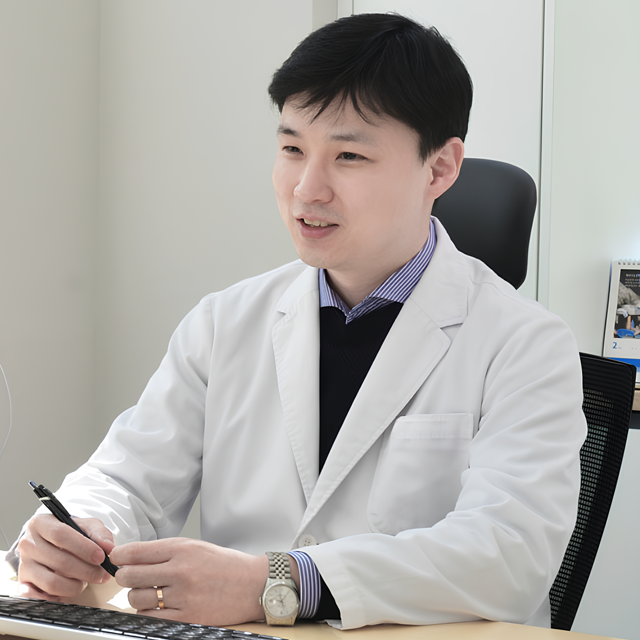

Dr. Cho Hyunwook — Representative Director
Dr. Cho Hyunwook holds a Master of Medicine from Sungkyunkwan University and completed his psychiatric residency at Samsung Seoul Hospital. He serves as Adjunct Professor in the Department of Psychiatry at Samsung Seoul Hospital, bringing the depth of academic medical training directly into his outpatient clinical practice. His career spans military psychiatry as Chief of Psychiatry at the ROK Armed Forces Military Hospital in Hongcheon, clinical leadership at Seoul Myeong Hospital, and directorship of Haesol Psychiatry Clinic in Incheon.
A Full Member of the Korean Neuropsychiatric Association and the Korean Association for Analytic Psychotherapy, and a Lifetime Member of the Korean Academy of Child and Adolescent Psychiatry, Dr. Cho brings an analytically informed perspective to anxiety and panic disorder — one that looks beyond the presenting symptoms to understand the patterns, history, and personal context that shape each patient's experience.
Dr. Chae Soohyun — Director
Dr. Chae Soohyun graduated from Seoul National University College of Medicine and completed her internship and psychiatric residency at Seoul National University Hospital. As a current PhD Candidate in Medicine at Seoul National University, she maintains active engagement with psychiatric research alongside her clinical work. Her background includes specialist roles at the Seoul Sunflower Center and public mental health leadership as Doctor-in-Charge for Mokpo City — experience that sharpened her understanding of how anxiety disorders present across diverse populations and life circumstances.
A Full Member of both the Korean Neuropsychiatric Association and the Korean Academy of Child and Adolescent Psychiatry, Dr. Chae specializes in child and adolescent psychiatry and women's mental health — two areas where panic disorder and anxiety frequently emerge and are often underrecognized or misattributed. Her approach combines clinical precision with genuine sensitivity to the fear and confusion that typically accompany a patient's first psychiatric consultation for panic symptoms.
Together, Dr. Cho and Dr. Chae approach every consultation with the founding value of Samsung Gonggam Psychiatry Clinic: Gonggam (공감) — empathy — the understanding that being heard and understood is the foundation on which effective treatment is built.
Panic Disorder Treatment Areas and Expected Improvements
Panic disorder treatment at Samsung Gonggam Psychiatry Clinic addresses the full clinical picture of the condition — not just the attacks themselves, but all the ways panic disorder reshapes a patient's inner and outer life.
- Panic Attack Frequency and Intensity: The most immediate goal of panic disorder treatment is the reduction of panic attack frequency and severity. Through a combination of carefully managed pharmacological treatment and psychotherapeutic approaches where appropriate, most patients experience a meaningful decrease in both the number and intensity of attacks over the course of treatment. The unpredictable, overwhelming quality of attacks diminishes as the nervous system's dysregulated alarm response is brought back into balance. Individual results vary and no specific outcome is guaranteed.
- Anticipatory Anxiety and Hypervigilance: For many patients with panic disorder, the constant monitoring of physical sensations — scanning the body for early signs of an impending attack — is as disabling as the attacks themselves. Treatment directly targets this hypervigilance, working to reduce the baseline anxiety that sustains it and to rebuild a more neutral, trusting relationship with the body's normal signals. As anticipatory anxiety decreases, the mental burden of daily life begins to lift considerably.
- Avoidance Behavior and Life Restrictions: Avoidance is one of the most functionally disabling features of panic disorder, and one of the most important targets of treatment. As attacks become less frequent and anticipatory anxiety reduces, the avoidance behaviors that have built up over months or years can be progressively and carefully addressed. Patients typically find that situations previously avoided become manageable again — driving alone, using public transport, returning to social or professional settings — restoring a sense of freedom and agency that panic disorder had eroded. Results are individual and timelines vary.
- Physical Symptoms of Anxiety: The somatic symptoms of panic — chronic muscle tension, gastrointestinal discomfort, fatigue, disrupted sleep, and persistent physical unease — are addressed as integral components of treatment rather than secondary concerns. As the overall anxiety burden reduces, these physical symptoms typically improve alongside the psychological ones.
The Panic Disorder Treatment Process at Samsung Gonggam Psychiatry Clinic

1. Initial Psychiatric Consultation: Your first appointment is a thorough, unhurried one-to-one evaluation with a board-certified psychiatrist. You will be invited to describe your experience fully — when attacks first began, how they present, what you have noticed about triggers or patterns, how your life has changed around them, and what you have tried so far. This conversation is the clinical foundation of everything that follows.
2. Differential Diagnosis and Clinical Assessment: Panic disorder shares symptoms with several medical and psychiatric conditions, and accurate diagnosis is essential. Your psychiatrist will conduct a comprehensive assessment to confirm the diagnosis, rule out other contributing factors, and clarify the specific features of your presentation — including the relationship between panic attacks, anticipatory anxiety, and avoidance behavior.
3. Individualized Treatment Planning: Your treatment plan is developed with you, not for you. Options are explained clearly, your questions are answered, and your preferences and circumstances shape the final plan. Treatment for panic disorder typically integrates pharmacological management where clinically indicated with structured psychotherapeutic approaches — paced and calibrated to your specific needs and response.
4. Active Treatment and Regular Monitoring: Treatment proceeds through regular follow-up appointments, at which your psychiatrist monitors your progress, addresses any side effects or concerns, and adjusts the plan as needed. The avoidance behaviors associated with panic disorder are addressed progressively and supportively — never pushed faster than you are ready to move.
5. Recovery, Consolidation, and Sustained Wellbeing: As panic attack frequency decreases and anticipatory anxiety lifts, treatment shifts toward consolidating the gains made and building lasting resilience. The aim is a full recovery of the daily freedom and confidence that panic disorder had restricted — supported by whatever level of ongoing follow-up best serves your long-term wellbeing.
Results, Safety, and What to Expect
Panic disorder responds well to evidence-based psychiatric treatment, and many patients experience significant improvement in both symptoms and daily functioning over the course of care. The timeline to meaningful improvement varies — some patients notice change within the first few weeks of treatment, while for others progress is more gradual — but consistent, appropriately monitored treatment produces reliable results for the majority of patients.
Medication, where prescribed, is selected carefully based on your clinical profile, discussed openly with you, and monitored throughout treatment. Possible side effects vary by medication and individual and are reviewed at every follow-up appointment. Psychotherapeutic components of treatment carry no significant physical risk and are paced entirely to your comfort and readiness.
No specific outcome can be guaranteed, and individual results differ. What Samsung Gonggam Psychiatry Clinic commits to is a treatment process that is transparent, collaborative, clinically grounded, and genuinely attentive to your progress at every stage.
Real Patient Experiences: Panic Disorder Care at Samsung Gonggam Psychiatry Clinic
"Three ER visits in two months — and nobody could tell me what was wrong" — Office Worker, Early 30s
This patient first experienced a panic attack while commuting to work — sudden chest tightening, breathlessness, and an absolute certainty that something was medically catastrophic. After three emergency room visits, each returning normal results, he came to Samsung Gonggam Psychiatry Clinic still not understanding what was happening. The first consultation, he described, was the first time the experience was fully explained to him. Beginning structured treatment marked the start of a gradual but consistent recovery — attacks became less frequent, the constant anticipatory dread began to ease, and within several months he had returned to driving alone without fear. Individual results vary and are not guaranteed.
"I didn't realize how small my world had become" — Teacher, Mid-40s
Over eighteen months, this patient had quietly reorganized her entire daily routine around panic disorder — avoiding the subway, staying near exits in public spaces, limiting social commitments. She described arriving at Samsung Gonggam Psychiatry Clinic as the moment she first acknowledged how much had changed. Through a treatment plan that addressed both the attacks and the avoidance patterns built around them, she described a gradual process of reclaiming situations she had written off. Results are individual and may vary.
Why Choose Samsung Gonggam Psychiatry Clinic for Panic Disorder Treatment?

Panic disorder is a condition that is frequently misunderstood — by the people who experience it, by those around them, and sometimes by healthcare providers who focus on ruling out physical causes without addressing the psychiatric one. At Samsung Gonggam Psychiatry Clinic, board-certified psychiatrists with training from Samsung Seoul Hospital and Seoul National University Hospital provide the accurate diagnosis, clear explanation, and individualized treatment that panic disorder requires.
Since opening in 2021, the Dongja Branch has grown into one of Seoul's trusted outpatient psychiatric destinations — completing over 12,000 consultations annually and serving patients from across Korean society and the international community. The clinic's ten-clinic nationwide network reflects a consistent standard of care, while its specialist-led structure ensures that every patient receives the personal attention their condition deserves.
- Accurate panic disorder diagnosis — differentiating panic disorder from other anxiety conditions and physical presentations to ensure targeted, effective treatment
- Treatment that addresses the whole picture — panic attacks, anticipatory anxiety, avoidance behavior, and somatic symptoms — not just the episodes themselves
- Stigma-free, patient-centered care built on Gonggam (공감) — empathy — for patients who may have been living with undiagnosed panic disorder for months or years
- Accessible to international patients and expats — experienced in serving diverse cultural backgrounds and navigating the Korean healthcare system on your behalf
You Don't Have to Keep Living Around Panic — Recovery Is Possible
If you have been experiencing sudden, unexplained panic attacks — or living in the shadow of the next one — effective, compassionate care is available. At Samsung Gonggam Psychiatry Clinic, the first step is a single, unhurried consultation with a board-certified psychiatrist who will take the time to understand exactly what you are experiencing and what you need.
Dr. Cho Hyunwook and Dr. Chae Soohyun are here to provide the thorough evaluation, clear answers, and individualized treatment that panic disorder deserves — and to support your recovery from the very first appointment.
[Book Your Panic Disorder Consultation at Samsung Gonggam Psychiatry Clinic]
Contact our clinic today to schedule your consultation. Same-week appointments are available and no referral is required. When you reach out, you will be connected directly with our appointment team to find a time that works for you.
📞 Speak with our care team directly — and take the first step toward recovery today.
Other Services
Explore additional treatments offered by our specialists.

Alcohol Use Disorder
The term alcoholism is widely used but clinically imprecise.
Learn More

Stress Management
Stress is the physical and mental response that occurs when a person feels that what they are facing exceeds their capacity to cope.
Learn More

Binge Eating / Obesity
Binge eating and stress-related obesity are conditions where the psychological dimension is not secondary to the clinical picture — it is central to it.
Learn More