Personalized Medical Care & Dedicated International Patient Concierge

Sleep Disorder Management · Needs Clinic Confirmation
Snoring & Sleep Apnea
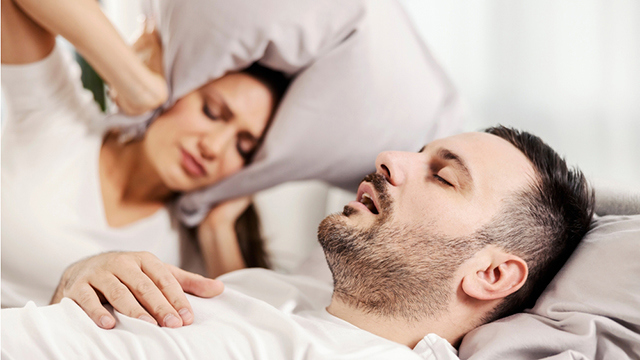
Snoring is widely regarded as a minor inconvenience — something that disrupts a bed partner's sleep rather than a medical concern in its own right.
Schedule a Consultation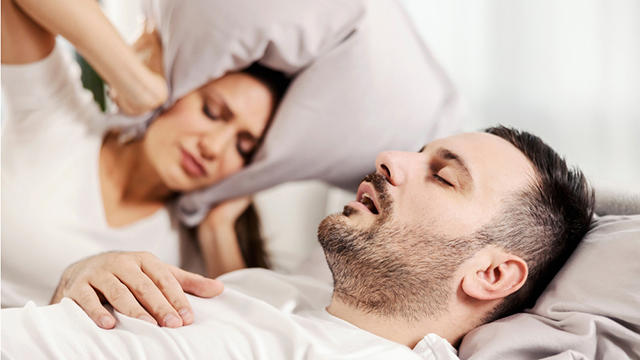
What Is Sleep Apnea — And Why Does It Require Professional Evaluation?
Snoring is widely regarded as a minor inconvenience — something that disrupts a bed partner's sleep rather than a medical concern in its own right. But the clinical reality is considerably more significant. Among people who snore, 75% have sleep apnea — a condition in which breathing repeatedly stops during sleep. These breathing pauses, which may occur dozens or even hundreds of times per night, prevent the deep, restorative sleep the body requires and place real and cumulative stress on cardiovascular and neurological health.
Sleep apnea is a sleep disorder in which the airway partially or completely collapses during sleep, interrupting normal breathing. The brain responds to each interruption by briefly arousing the sleeper — often without their awareness — to restore airway tone and restart breathing. This cycle repeats throughout the night, fragmenting sleep architecture and preventing the sustained deep sleep in which the body's most critical restorative processes occur.
Sleep disorders as a category affect more than 20% of the population, and sleep apnea is among the most medically significant within that group. Left untreated, it is associated with persistent daytime fatigue, cognitive impairment, mood disturbance, and a significantly elevated risk of serious health consequences including hypertension, myocardial infarction, and stroke. At Samsung Gonggam Psychiatry Clinic, snoring and sleep apnea are assessed within a comprehensive psychiatric and sleep health framework — ensuring that the full clinical picture is understood and addressed.
Who Needs Sleep Apnea Assessment and Treatment?
Sleep apnea is consistently underdiagnosed — in part because its most significant symptoms occur during sleep, when the patient is unaware of them. Professional evaluation is strongly advisable if you recognize yourself or someone close to you in any of the following:
- Adults who snore loudly and regularly — particularly those whose snoring has been described by others as heavy, irregular, or punctuated by pauses and gasping
- Those whose bed partner has observed breathing pauses during sleep — episodes in which breathing appears to stop briefly before resuming, sometimes with a loud snort or gasp
- People who wake feeling unrefreshed despite sleeping for what should be an adequate duration — for whom sleep does not restore the alertness and energy it should
- Adults experiencing significant daytime sleepiness — struggling to maintain alertness through the working day, prone to drowsiness in sedentary situations, relying heavily on caffeine with diminishing effect
- Those with concentration and memory difficulties that cannot be fully explained by workload or stress — cognitive symptoms consistent with the sleep fragmentation that sleep apnea produces nightly
- People who wake with headaches, a dry mouth, or a sore throat — symptoms that frequently accompany the breathing disruptions and airway changes of sleep apnea
- Adults with mood disturbance, irritability, or low mood that has developed alongside or in the context of poor sleep quality — recognizing that sleep apnea is a significant contributor to both depression and anxiety
- Those with known risk factors including excess weight, a larger neck circumference, or a history of cardiovascular or metabolic conditions — populations in which sleep apnea prevalence is considerably higher
Meet the Specialists in Sleep Apnea and Sleep Disorder Management
|
|
Dr. Hyunwook Cho MD MSc. Medical Doctor, | Dr. Soohyun Chae MD MSc. Medical Doctor, |


Dr. Cho Hyunwook — Representative Director
Dr. Cho Hyunwook holds a Master of Medicine from Sungkyunkwan University and completed his psychiatric residency at Samsung Seoul Hospital. As Adjunct Professor in the Department of Psychiatry at Samsung Seoul Hospital, he brings academic-level clinical expertise directly into outpatient practice at the Dongja Branch. His career encompasses military psychiatry as Chief of Psychiatry at the ROK Armed Forces Military Hospital in Hongcheon, clinical directorship at Seoul Myeong Hospital, and private practice leadership at Haesol Psychiatry Clinic in Incheon.
A Full Member of the Korean Neuropsychiatric Association and Korean Association for Analytic Psychotherapy, and Lifetime Member of the Korean Academy of Child and Adolescent Psychiatry, Dr. Cho brings extensive experience assessing sleep disorders within a comprehensive psychiatric framework — recognizing the critical connections between sleep-disordered breathing, cognitive function, mood, and long-term health.
Dr. Chae Soohyun — Director
Dr. Chae Su-hyeon graduated from Seoul National University College of Medicine and completed her internship and psychiatric residency at Seoul National University Hospital. A current PhD Candidate in Medicine at SNU, she combines active research engagement with clinical experience including specialist work at the Seoul Sunflower Center and public mental health leadership as Doctor-in-Charge for Mokpo City.
Her specializations in child and adolescent psychiatry and women's mental health are relevant to sleep apnea assessment — a condition that presents distinctly across life stages and carries particular clinical significance in the context of hormonal transitions and cardiovascular risk. A Full Member of the Korean Neuropsychiatric Association and Korean Academy of Child and Adolescent Psychiatry, Dr. Chae approaches sleep apnea with both clinical precision and genuine sensitivity to the ways disrupted sleep quietly diminishes quality of life.
Both psychiatrists practice under the founding value of Samsung Gonggam Psychiatry Clinic — Gonggam (공감), empathy — ensuring every patient is met with the understanding and clinical attention that effective sleep disorder care requires.
Snoring and Sleep Apnea Treatment: What the Process Addresses
- Sleep-Disordered Breathing and Nighttime Arousal: The primary clinical goal of sleep apnea assessment and management is identifying the nature and severity of sleep-disordered breathing and developing a plan that reduces its impact on sleep architecture and overall health. As breathing disruptions are addressed and sleep becomes more consolidated, the cascade of consequences that follow — daytime fatigue, cognitive impairment, mood disturbance — begins to resolve. Individual results vary and no specific outcome is guaranteed.
- Daytime Fatigue and Cognitive Function: The fragmented sleep produced by sleep apnea has direct and measurable effects on daytime alertness, concentration, and memory. As sleep quality improves through treatment, cognitive performance typically recovers progressively — patients often describe the restoration of mental clarity as one of the most significant changes they notice. Results are individual and timelines vary.
- Mood and Psychiatric Comorbidities: Sleep apnea and psychiatric conditions exist in a clinically significant bidirectional relationship. Sleep-disordered breathing worsens depression and anxiety, while these conditions in turn disrupt sleep architecture and amplify the experience of fatigue. At Samsung Gonggam Psychiatry Clinic, sleep apnea assessment always considers co-occurring psychiatric conditions — ensuring that treatment addresses the full clinical picture rather than sleep disruption in isolation.
- Long-Term Health and Cardiovascular Risk: Untreated sleep apnea carries real long-term health consequences — including elevated cardiovascular risk — that make early assessment and intervention a matter of health protection as well as quality of life improvement. Treatment reduces these risks progressively as sleep quality and breathing regulation improve over time.
The Sleep Apnea Assessment and Treatment Process
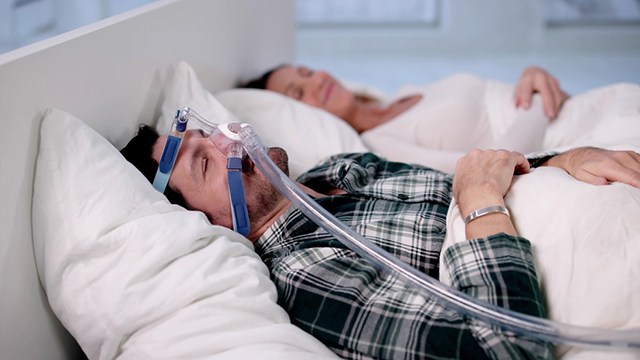
1. Initial Psychiatric Sleep Consultation: Your first appointment is a comprehensive, unhurried evaluation of your sleep patterns, snoring history, daytime symptoms, and overall psychiatric health. Your psychiatrist explores the full clinical picture — including any observations from a bed partner, the nature and duration of daytime fatigue, and any mood or cognitive changes that have developed alongside sleep disruption.
2. Clinical Assessment and Differential Diagnosis: Accurate assessment determines whether your presentation is consistent with sleep apnea, another sleep disorder, or a combination of conditions. Co-occurring psychiatric conditions — depression, anxiety, ADHD — that may be contributing to or worsened by sleep disruption are identified and included in the treatment planning process.
3. Individualized Treatment Planning: Your treatment plan is developed collaboratively, with your specific presentation, health history, lifestyle, and personal circumstances at the center. For sleep apnea, treatment recommendations are based on severity and clinical profile — and may include referral to specialist services where appropriate alongside psychiatric management of co-occurring conditions.
4. Sleep Hygiene and Behavioral Guidance: Structured sleep hygiene guidance is provided as an evidence-based component of care. Maintaining consistent sleep and wake times, optimizing the sleep environment, managing alcohol intake — which significantly worsens sleep apnea — timing exercise appropriately, and establishing healthy behavioral patterns around sleep all contribute meaningfully to outcomes. These recommendations are tailored to your specific circumstances.
5. Ongoing Monitoring and Integrated Care: Regular follow-up appointments allow your psychiatrist to monitor progress, address concerns, and adjust the treatment plan as your condition and circumstances evolve. Where sleep apnea co-occurs with depression, anxiety, or other psychiatric conditions, integrated management of both ensures that neither is left to undermine the treatment of the other.
Results, Safety, and What to Expect
Sleep apnea and snoring respond to appropriate clinical assessment and management, and meaningful improvement in sleep quality, daytime alertness, and mood is achievable for the majority of patients who engage consistently with care. Individual timelines and outcomes vary, and realistic expectations are established clearly during the initial consultation.
Treatment recommendations are evidence-based, selected carefully based on your clinical profile, and discussed openly. Samsung Gonggam Psychiatry Clinic commits to a treatment process that is transparent, collaborative, and genuinely attentive to your progress — from first consultation through to sustained improvement in sleep health and daily functioning. No specific outcome can be guaranteed, and individual results differ.
Real Patient Experiences: Sleep Apnea Care at Samsung Gonggam Psychiatry Clinic
"My partner noticed I stopped breathing — I had no idea" — Office Manager, Late 40s
This patient came to Samsung Gonggam Psychiatry Clinic after his partner described repeated breathing pauses during sleep. Despite sleeping seven to eight hours nightly, he had been waking unrefreshed and struggling with concentration and irritability through the working day for over a year. A comprehensive assessment confirmed sleep apnea alongside a mild depressive episode. An integrated treatment plan addressing both produced meaningful improvement in sleep quality and daytime mood within several months of care.
"I thought the tiredness was just part of getting older" — Homemaker, Early 50s
Persistent daytime fatigue, morning headaches, and a low mood that had developed gradually over two years had been attributed by this patient to age and life stress. Assessment at Samsung Gonggam Psychiatry Clinic identified sleep apnea as a significant contributing factor — one that had been quietly disrupting her sleep architecture every night without her awareness. Treatment produced a gradual but consistent improvement in both sleep quality and daytime energy that she described as genuinely life-changing.
Why Choose Samsung Gonggam Psychiatry Clinic for Sleep Apnea Treatment?
Sleep apnea is a condition with consequences that reach well beyond poor sleep — affecting mood, cognition, cardiovascular health, and overall quality of life in ways that accumulate silently over years. At Samsung Gonggam Psychiatry Clinic, it is assessed within a comprehensive psychiatric framework that ensures the full clinical picture is understood and addressed.
- Comprehensive sleep apnea assessment — evaluating sleep-disordered breathing within the broader context of psychiatric and overall health
- Integrated psychiatric and sleep disorder care — addressing co-occurring depression, anxiety, or other conditions alongside sleep apnea within a unified treatment plan
- Evidence-based sleep hygiene guidance — individualized behavioral recommendations supporting treatment and long-term sleep health
- Stigma-free, empathy-led care grounded in Gonggam (공감) — for patients who may not have recognized that their snoring or fatigue warranted clinical attention
Snoring Could Be Telling You Something Important — Find Out What
If you or someone close to you snores heavily, experiences breathing pauses during sleep, or wakes consistently unrefreshed — effective, compassionate care is available. At Samsung Gonggam Psychiatry Clinic, the first step is a thorough consultation with a board-certified psychiatrist who will assess your sleep health seriously and work with you toward a plan that addresses what is actually happening while you sleep.
[Book Your Sleep Apnea Consultation at Samsung Gonggam Psychiatry Clinic]
Contact our clinic today to schedule your consultation. Same-week appointments are available and no referral is required. You will be connected directly with our appointment team to find a time that works for you.
Other Services
Explore additional treatments offered by our specialists.

Alcohol Use Disorder
The term alcoholism is widely used but clinically imprecise.
Learn More

Stress Management
Stress is the physical and mental response that occurs when a person feels that what they are facing exceeds their capacity to cope.
Learn More

Binge Eating / Obesity
Binge eating and stress-related obesity are conditions where the psychological dimension is not secondary to the clinical picture — it is central to it.
Learn More