Personalized Medical Care & Dedicated International Patient Concierge


Anxiety Disorder (Panic Disorder) · Needs Clinic Confirmation
Social Anxiety Disorder
Social anxiety disorder manifests differently in different people, but its core features are consistent: intense fear of negative evaluation in social situations, physical symptoms triggered by social exposure or anticipation of it, and avoidance.
Schedule a Consultation
What Is Social Anxiety Disorder — And How Is It Different from Ordinary Shyness?
Most people feel nervous before a presentation, awkward at a party where they know no one, or self-conscious in a new social environment. These feelings are normal, temporary, and do not significantly interfere with daily life. Social anxiety disorder is something fundamentally different.
Social anxiety disorder — also known as social phobia — is a persistent, intense fear of social or performance situations in which a person believes they may act in a way that will be embarrassing, humiliating, or subject to negative judgment by others. This fear is not proportionate to the actual social risk involved, and the person experiencing it is often fully aware of that disproportion — yet this awareness provides little relief. The anticipated shame or humiliation feels overwhelmingly real, and the emotional and physical response it triggers is genuinely distressing.
What makes social anxiety disorder particularly significant as a clinical condition is its reach. It is not simply a matter of discomfort in specific situations — it is a condition that, over time, shapes the entire architecture of a person's life. Career decisions are made around it. Relationships are limited by it. Opportunities are declined, achievements are withheld, and a quiet but profound isolation can develop — often without the person fully recognizing how much social anxiety has cost them.
Social anxiety disorder frequently begins in adolescence and, without treatment, tends to persist into adulthood and worsen progressively as avoidance reinforces fear. At Samsung Gonggam Psychiatry Clinic, it is treated with the clinical seriousness and personal sensitivity it deserves.
Understanding Social Anxiety Disorder: How It Presents and What It Does
Social anxiety disorder manifests differently in different people, but its core features are consistent: intense fear of negative evaluation in social situations, physical symptoms triggered by social exposure or anticipation of it, and avoidance behavior that progressively restricts daily life.
- The Fear of Negative Evaluation: At the center of social anxiety disorder is a deeply uncomfortable anticipation of being watched, judged, found inadequate, or humiliated. This fear may be triggered by a wide range of situations — speaking in front of others, eating or drinking in public, meeting new people, attending social gatherings, making phone calls, being observed while working, or any situation where the person feels they may be scrutinized. The anticipated outcome — embarrassment, humiliation, rejection — feels certain and unbearable, even when rationally the person understands it is unlikely.
- Physical Symptoms in Social Situations: Social anxiety disorder produces very real physical responses in triggering situations. These commonly include blushing, trembling, sweating, a racing heart, a dry mouth, nausea, and a sense of freezing or going blank. For many patients, the fear of these physical symptoms being visible to others — that others will notice the blushing or shaking and judge them for it — compounds the anxiety itself, creating a reinforcing cycle that is difficult to break without professional support.
- Avoidance and Its Consequences: Avoidance is the behavioral hallmark of social anxiety disorder and the mechanism through which it most damages quality of life. By avoiding feared situations, the person never has the opportunity to discover that the anticipated outcome does not occur — reinforcing the belief that the situation is genuinely dangerous and that avoidance is necessary. Over time, the range of avoided situations typically expands, and the life lived within them shrinks. Professional advancement stalls. Social relationships narrow. Independence reduces. The cost of social anxiety disorder, accumulated quietly over years, can be enormous.
Who Needs Social Anxiety Disorder Treatment?
Social anxiety disorder is more common than many people realize, and it is consistently undertreated — in part because those who experience it are often reluctant to seek help in the very settings where help is available. You may benefit from a professional evaluation if you recognize yourself in any of the following:
- Adults who experience intense fear or dread before social or performance situations — meetings, presentations, social gatherings, dates, job interviews — that is disproportionate to the actual stakes involved
- Those who avoid professional opportunities — declining to speak in meetings, avoiding presentations or public roles, turning down promotions — because of fear of judgment, humiliation, or performing poorly in front of others
- People whose social lives are significantly limited by anxiety — who decline invitations, avoid forming new relationships, or find social engagement so draining and distressing that isolation feels preferable
- Adults who have been described as extremely shy since childhood or adolescence and who recognize that what they experience goes beyond shyness — involving genuine fear, physical symptoms, and active avoidance
- Those who experience significant physical symptoms in social situations — blushing, trembling, sweating, nausea, or a racing heart — and who fear these symptoms being noticed and judged by others
- People who rehearse social interactions extensively beforehand, engage in prolonged self-critical review afterward, and find that social situations occupy a disproportionate amount of their mental energy even when not actively in them
- Adults whose career, relationships, or personal development have been quietly shaped by a pattern of withdrawal and avoidance that they have never fully identified as a treatable condition
- Young adults and students for whom social anxiety is interfering with academic participation, peer relationships, or the transition into professional and independent life
Social anxiety disorder is highly treatable. The longer it is left unaddressed, the more established the avoidance patterns become — making early assessment and intervention strongly advisable.
Meet the Specialists in Social Anxiety Disorder Treatment
|
|
Dr. Hyunwook Cho MD MSc. Medical Doctor, | Dr. Soohyun Chae MD MSc. Medical Doctor, |
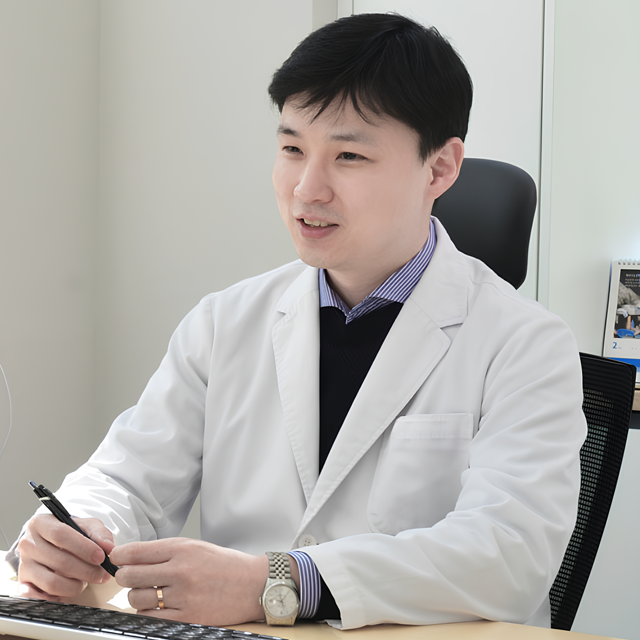

Dr. Cho Hyunwook — Representative Director
Dr. Cho Hyunwook completed his psychiatric residency at Samsung Seoul Hospital and holds a Master of Medicine from Sungkyunkwan University. As Adjunct Professor in the Department of Psychiatry at Samsung Seoul Hospital, he brings academic-level clinical knowledge directly into patient consultations at the Dongja Branch. His career encompasses military psychiatry as Chief of Psychiatry at the ROK Armed Forces Military Hospital in Hongcheon, clinical directorship at Seoul Myeong Hospital, and private practice leadership at Haesol Psychiatry Clinic in Incheon.
A Full Member of the Korean Neuropsychiatric Association and the Korean Association for Analytic Psychotherapy, and a Lifetime Member of the Korean Academy of Child and Adolescent Psychiatry, Dr. Cho brings particular depth to the treatment of anxiety disorders rooted in interpersonal and social dimensions. His training in analytic psychotherapy informs an approach that understands social anxiety not just as a set of symptoms to be managed, but as an experience with personal meaning and history that deserves careful, respectful exploration.
Dr. Chae Soohyun — Director
Dr. Chae Soohyun graduated from Seoul National University College of Medicine and completed her internship and psychiatric residency at Seoul National University Hospital. Currently a PhD Candidate in Medicine at Seoul National University, she combines active research engagement with a rich clinical background that includes specialist work at the Seoul Sunflower Center and public mental health leadership as Doctor-in-Charge for Mokpo City.
Her specializations in child and adolescent psychiatry and women's mental health are directly relevant to social anxiety disorder — a condition that most commonly emerges in adolescence and that carries distinct features and pressures in the context of women's social and professional lives. A Full Member of the Korean Neuropsychiatric Association and the Korean Academy of Child and Adolescent Psychiatry, Dr. Chae approaches social anxiety with both clinical precision and a sensitivity to the cultural and personal dimensions that shape how it is experienced and expressed.
Both psychiatrists share the clinic's founding commitment to Gonggam (공감) — empathy — recognizing that for patients with social anxiety disorder, the act of seeking help is itself a significant and courageous step that deserves to be met with genuine understanding and respect.
Social Anxiety Disorder Treatment: What the Process Addresses

Treatment for social anxiety disorder at Samsung Gonggam Psychiatry Clinic is designed to address the full clinical picture — the fear itself, the physical responses it produces, the avoidance patterns it has generated, and the cumulative impact on the patient's daily life and sense of self.
- Core Social Fear and Anticipatory Anxiety: Treatment works directly on the central fear of negative evaluation — the anticipation of humiliation, judgment, or embarrassment that drives avoidance and restricts engagement. As treatment progresses, the intensity of this anticipatory response typically diminishes, and social situations that previously felt threatening become more manageable. Individual results vary and no specific outcome is guaranteed.
- Physical Symptoms in Social Settings: The physical symptoms that accompany social anxiety — blushing, trembling, sweating, nausea, racing heart — are addressed as an integral part of treatment. As the underlying anxiety reduces, these physical responses typically become less intense and less frequent. For many patients, reducing the visibility and intensity of physical symptoms also reduces the secondary fear of being observed and judged for them, breaking a reinforcing cycle that has sustained anxiety over time.
- Avoidance Behavior and Social Restriction: Addressing avoidance is central to recovery from social anxiety disorder. Treatment at Samsung Gonggam Psychiatry Clinic works progressively and collaboratively to support patients in re-engaging with situations previously avoided — at a pace that is clinically appropriate and personally manageable. As avoidance reduces, the range of what feels possible expands, and the quality and scope of daily life improves correspondingly. Results are individual and timelines vary.
- Self-Perception and Post-Event Processing: Many patients with social anxiety disorder engage in extensive self-critical review after social interactions — replaying what was said, how it was received, and what others must have thought. This post-event processing sustains and amplifies social anxiety between situations. Treatment addresses these cognitive patterns directly, working toward a more balanced and compassionate relationship with social experience and self-evaluation.
The Social Anxiety Disorder Treatment Process at Samsung Gonggam Psychiatry Clinic
1. Initial Psychiatric Consultation: Your first appointment is a thorough, confidential, one-to-one conversation with a board-certified psychiatrist. There is no pressure, no performance, and no judgment. You will be invited to describe your experience in your own words — when social anxiety began, how it presents, which situations are most difficult, and how it has shaped your life over time. This conversation forms the foundation of your care.
2. Diagnosis and Clinical Assessment: Your psychiatrist will conduct a comprehensive assessment to confirm the diagnosis of social anxiety disorder and clarify its specific features — which situations are most triggering, the severity of anticipatory anxiety and avoidance, and any co-occurring conditions such as depression or generalized anxiety that may be present alongside it. Accurate diagnosis ensures that treatment is precisely targeted.
3. Individualized Treatment Planning: Treatment for social anxiety disorder is not one-size-fits-all. Your plan is developed collaboratively, with your specific presentation, personal history, and goals at the center. Treatment may integrate pharmacological management where clinically appropriate with structured psychotherapeutic approaches — explained clearly and agreed upon together.
4. Progressive Treatment and Monitoring: Regular follow-up appointments allow your psychiatrist to monitor your progress, address any concerns or side effects, and adjust the treatment plan as needed. The avoidance behaviors associated with social anxiety are addressed gradually and supportively — building confidence and expanding social engagement at a pace that is clinically sound and personally sustainable.
5. Consolidation and Long-Term Wellbeing: As symptoms reduce and social confidence grows, treatment shifts toward consolidating progress and building the resilience that supports lasting recovery. For many patients, this phase marks a significant broadening of what feels possible — professionally, socially, and personally. Ongoing follow-up is available to support sustained wellbeing.
Results, Safety, and What to Expect
Social anxiety disorder responds well to evidence-based psychiatric treatment, and meaningful improvement in both symptoms and daily functioning is achievable for the majority of patients who engage consistently with care. The timeline to noticeable improvement varies by individual — some patients notice change relatively quickly, while for others progress is more gradual — but sustained treatment produces reliable results.
Where medication is part of the treatment plan, it is selected carefully based on your clinical profile, discussed openly, and monitored throughout. Possible side effects vary by individual and medication and are reviewed at every follow-up. Psychotherapeutic components of care are paced entirely to your comfort and readiness and carry no significant physical risk.
No specific outcome can be guaranteed, and individual results differ. What Samsung Gonggam Psychiatry Clinic commits to is a treatment process that is transparent, collaborative, evidence-based, and genuinely attentive to your experience and progress at every stage.
Real Patient Experiences: Social Anxiety Disorder Care at Samsung Gonggam Psychiatry Clinic
"I had been turning down opportunities for years without knowing why" — Marketing Professional, Early 30s
This patient came to Samsung Gonggam Psychiatry Clinic after recognizing a pattern she had never previously named: a career full of declined presentations, avoided team meetings, and professional opportunities turned down — all organized around a fear of being judged and found inadequate. After beginning treatment, she described the process of gradually re-engaging with professional situations she had previously avoided as both challenging and, eventually, genuinely freeing. Within several months of treatment, she had delivered her first team presentation in years.
"I thought everyone felt this way — I didn't realize it had a name" — Graduate Student, Mid-20s
Having experienced intense social anxiety since adolescence, this patient had simply assumed that the fear, the physical symptoms, and the avoidance were a fixed part of who he was. At Samsung Gonggam Psychiatry Clinic, a thorough assessment provided both a clear diagnosis and, for the first time, a genuine explanation of what he had been experiencing. He described the consultation itself as unexpectedly reassuring — the experience of being listened to without judgment in a clinical setting helped him understand that the fear he had always associated with social situations did not have to extend to seeking help.
Why Choose Samsung Gonggam Psychiatry Clinic for Social Anxiety Disorder Treatment?
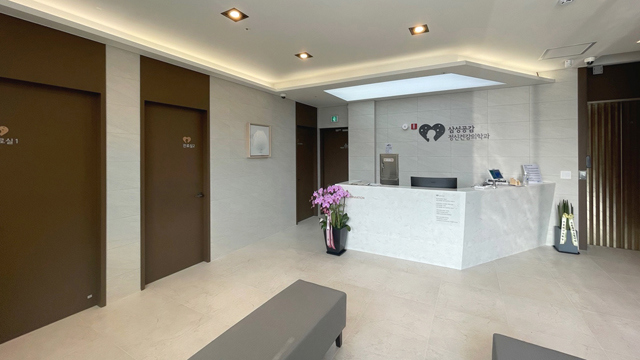
Social anxiety disorder is a condition that frequently goes unrecognized and untreated for years — in part because its sufferers are often least likely to seek help in unfamiliar clinical settings. At Samsung Gonggam Psychiatry Clinic, the care environment is designed with this reality in mind: a stigma-free, genuinely empathetic space where the first consultation is as comfortable and unhurried as the clinical team can make it.
Led by Dr. Cho Hyunwook and Dr. Chae Soohyun — board-certified psychiatrists trained at Samsung Seoul Hospital and Seoul National University Hospital respectively — the clinic provides the academic depth and clinical precision that social anxiety disorder requires, delivered with the personal attention that makes engagement with care possible for patients who find clinical settings inherently challenging.
- Specialist social anxiety assessment and diagnosis — distinguishing social anxiety disorder from related conditions and clarifying its specific features to ensure targeted, effective treatment
- Treatment that addresses avoidance directly — not just reducing symptoms but progressively restoring the social and professional engagement that anxiety has restricted
- Stigma-free, empathy-led care environment — grounded in Gonggam (공감), designed for patients for whom seeking psychiatric help is itself an act of courage
- Accessible to Korean residents, expats, and international patients — experienced in supporting patients from diverse cultural backgrounds through the Korean healthcare system
Social Anxiety Doesn't Have to Define Your Life — Recovery Starts with One Conversation
If social anxiety has been quietly shaping your decisions, limiting your relationships, and standing between you and the professional and personal life you want — effective, compassionate care is available. At Samsung Gonggam Psychiatry Clinic, the first step is a single consultation with a board-certified psychiatrist who will listen carefully, assess thoroughly, and work with you toward a plan that fits your life.
Dr. Cho Hyunwook and Dr. Chae Soohyun are here to provide the understanding, expertise, and individualized treatment that social anxiety disorder deserves — and to support your recovery from the very first appointment onward.
[Book Your Social Anxiety Disorder Consultation at Samsung Gonggam Psychiatry Clinic]
Contact our clinic today to arrange your consultation. Same-week appointments are available and no referral is required. When you reach out, you will be connected directly with our appointment team to find a time that is right for you.
📞 Speak with our care team directly — and take the first step toward a fuller, freer life today.
Other Services
Explore additional treatments offered by our specialists.

Alcohol Use Disorder
The term alcoholism is widely used but clinically imprecise.
Learn More

Stress Management
Stress is the physical and mental response that occurs when a person feels that what they are facing exceeds their capacity to cope.
Learn More

Binge Eating / Obesity
Binge eating and stress-related obesity are conditions where the psychological dimension is not secondary to the clinical picture — it is central to it.
Learn More