Personalized Medical Care & Dedicated International Patient Concierge


Anxiety Disorder (Panic Disorder) · Needs Clinic Confirmation
Specific Phobia
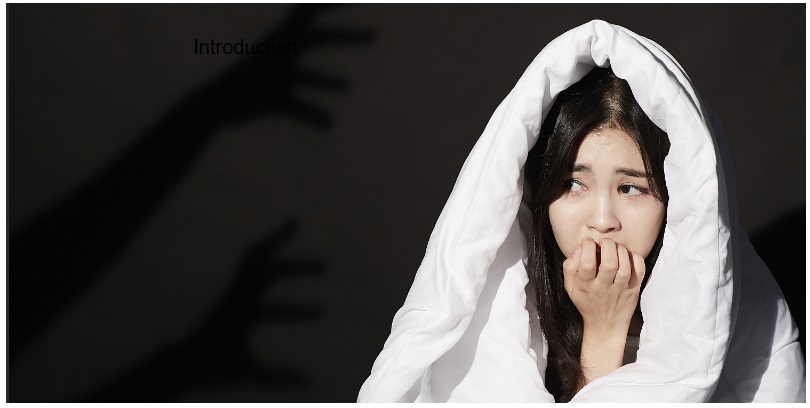
A specific phobia is an intense, persistent, and irrational fear of a particular object, animal, situation, or activity that is clearly disproportionate to any real danger the trigger poses.
Schedule a Consultation
What Is Specific Phobia — And Why Does It Require Professional Care?
A specific phobia is an intense, persistent, and irrational fear of a particular object, animal, situation, or activity that is clearly disproportionate to any real danger the trigger poses. Unlike ordinary nervousness or strong dislike, a specific phobia does not diminish with time, familiarity, or reassurance. The person experiencing it is often fully aware that the fear is excessive — yet that awareness does nothing to reduce its intensity or its hold over daily decisions.
Specific phobia belongs to the broader category of anxiety disorders — mental health conditions in which anxiety and fear exceed what the situation warrants and interfere meaningfully with daily functioning. When anxiety overstimulates the sympathetic nervous system, the result is very real physical distress: increased heart rate, shortness of breath, sweating, trembling, nausea, and dizziness. For someone with a specific phobia, these responses can be triggered simply by encountering — or even anticipating — the feared object or situation.
What makes specific phobia particularly disabling over time is avoidance. The instinct to avoid the feared trigger provides short-term relief but reinforces the fear itself, gradually narrowing the person's world. Many patients live with a specific phobia for years — quietly reorganizing their lives, declining opportunities, and accepting limitation — without ever seeking the professional help that could genuinely change things. Specific phobia is highly treatable. With appropriate psychiatric care, recovery is not just possible — it is the expected outcome for most patients who engage with treatment.
Types of Anxiety Disorders: Where Specific Phobia Fits
Specific phobia is one of several distinct anxiety disorder diagnoses treated at Samsung Gonggam Psychiatry Clinic. Understanding where it sits within the broader anxiety disorder landscape helps clarify both the diagnosis and the most appropriate treatment approach.
- Panic Disorder: involves sudden, unpredictable episodes of severe physical and psychological fear — a racing heart, breathlessness, chest tightness, numbness, and an overwhelming conviction that something catastrophic is happening — without a genuinely threatening cause. The body's alarm system misfires, producing a full emergency response in the absence of real danger. What follows is often anticipatory anxiety and progressive avoidance of situations associated with previous attacks.
- Generalized Anxiety Disorder: presents as a persistent, difficult-to-control background worry spanning multiple areas of life — health, relationships, finances, and daily responsibilities — accompanied by chronic physical tension, restlessness, fatigue, and sleep disturbance.
- Social Anxiety Disorder: involves an intense fear of judgment, embarrassment, or humiliation in social or performance situations, leading to avoidance that progressively impairs social, occupational, and personal functioning.
- Specific Phobia: is fear that is precisely targeted — confined to one particular object, animal, situation, or activity. It does not spread across multiple life domains the way generalized anxiety does, but within its focused territory it can be deeply disabling. Common categories include animal phobias, situational phobias such as fear of flying or enclosed spaces, natural environment phobias such as fear of heights or water, and blood-injection-injury phobias.
Accurate differential diagnosis — distinguishing specific phobia from panic disorder, social anxiety, or other overlapping conditions — is essential to ensuring that treatment is appropriately targeted. This is one of the most important things a board-certified psychiatrist brings to the assessment process.
Who Needs Specific Phobia or Anxiety Disorder Treatment?
Specific phobia and anxiety disorders affect people across all ages and circumstances. A professional evaluation may be the right next step if you recognize yourself in any of the following:
- Adults with a specific, persistent fear — of flying, enclosed spaces, heights, needles, animals, medical procedures, or any other trigger — that produces immediate and intense anxiety upon exposure or anticipation
- Those whose avoidance is limiting daily life — declining travel, postponing medical care, avoiding professional opportunities, or restructuring routines to manage around a fear that has never resolved on its own
- People who have lived with the phobia for years and have accepted it as simply part of who they are, without realizing that effective treatment is available
- Adults experiencing panic attacks in response to a specific trigger — or outside of any clear trigger — with associated anticipatory anxiety and growing avoidance behavior
- Those with blood, injection, or injury phobia who are delaying necessary medical or dental care because of intense fear of needles, procedures, or the sight of blood
- Individuals whose fear feels embarrassing or disproportionate and who have not sought help partly because they feel they should be able to manage it themselves
- Anyone who has noticed that a specific fear is shrinking their world — that there are places they no longer go, things they no longer do, and opportunities they quietly decline because of something they are afraid of
- Adults managing anxiety disorders alongside other conditions such as depression, where untreated phobia or anxiety is contributing to broader mental health difficulties
If your fear consistently causes you to avoid a trigger and that avoidance is meaningfully affecting your quality of life, a consultation with a board-certified psychiatrist is the most important step you can take.
Meet the Specialists in Specific Phobia and Anxiety Disorder Treatment
|
|
Dr. Hyunwook Cho MD MSc. Medical Doctor, | Dr. Soohyun Chae MD MSc. Medical Doctor, |


Dr. Cho Hyunwook — Representative Director
Dr. Cho Hyunwook completed his psychiatric residency at Samsung Seoul Hospital and holds a Master of Medicine from Sungkyunkwan University. As an Adjunct Professor in the Department of Psychiatry at Samsung Seoul Hospital, he brings academic-level clinical expertise directly into outpatient practice. His career encompasses military psychiatry as Chief of Psychiatry at the ROK Armed Forces Military Hospital, clinical leadership at Seoul Myeong Hospital, and private practice directorship at Haesol Psychiatry Clinic in Incheon.
A Full Member of the Korean Neuropsychiatric Association and the Korean Association for Analytic Psychotherapy, and a Lifetime Member of the Korean Academy of Child and Adolescent Psychiatry, Dr. Cho brings an analytically informed perspective to anxiety treatment — looking beyond the presenting fear to understand the deeper patterns maintaining it, and addressing them with both precision and genuine care.
Dr. Chae Soohyun — Director
Dr. Chae Soohyun graduated from Seoul National University College of Medicine and completed her internship and psychiatric residency at Seoul National University Hospital. Currently a PhD Candidate in Medicine at Seoul National University, she maintains active engagement with current psychiatric research. Her clinical background includes specialist work at the Seoul Sunflower Center and public mental health leadership as Mental Health Doctor-in-Charge for Mokpo City.
A Full Member of the Korean Neuropsychiatric Association and the Korean Academy of Child and Adolescent Psychiatry, Dr. Chae specializes in child and adolescent psychiatry and women's mental health — areas where anxiety disorders, including specific phobia, frequently emerge and are often underrecognized or normalized rather than treated. Her approach combines clinical thoroughness with a sensitivity to the personal and cultural dimensions of fear and avoidance.
Both psychiatrists share the care philosophy at the heart of Samsung Gonggam Psychiatry Clinic: Gonggam (공감) — empathy — meeting every patient with the genuine understanding that makes clinical care effective and human.
Specific Phobia Treatment Areas and Expected Improvements
Specific phobia treatment at Samsung Gonggam Psychiatry Clinic addresses not only the core fear itself but the full range of ways it has shaped the patient's life. Expected areas of improvement include:
- Reduction in Fear Intensity: The immediate anxiety response triggered by exposure to or anticipation of the feared object or situation — including physical symptoms such as racing heart, breathlessness, sweating, and dizziness — typically reduces significantly with appropriate treatment. Many patients describe a gradual shift from overwhelming fear to manageable discomfort, and eventually to a response that feels proportionate and controllable. Progress varies by individual, and no specific outcome can be guaranteed.
- Reduction in Avoidance Behavior: Avoidance is both a symptom and a maintaining factor in specific phobia — the more a person avoids the feared trigger, the stronger the association between the trigger and danger becomes. Treatment directly addresses avoidance patterns, working progressively to restore the patient's ability to approach previously avoided situations with confidence. For many patients, the gradual recovery of activities and opportunities lost to avoidance is among the most meaningful aspects of improvement.
- Recovery of Daily Functioning and Freedom: Beyond the specific fear, specific phobia treatment aims to restore the broader sense of freedom and agency that avoidance erodes over time. Patients who have declined travel, postponed medical care, or structured their careers around a phobia often describe recovery as recovering a larger version of their life — one with more options, more confidence, and less mental energy devoted to managing fear.
- Reduction in Associated Anxiety and Anticipatory Worry: The anticipatory anxiety that builds around a specific phobia — the ongoing mental monitoring, the dread of encountering the trigger, the planning required to avoid it — can be as exhausting as the phobia itself. Treatment that reduces the core fear typically produces a parallel reduction in anticipatory anxiety, freeing significant cognitive and emotional resources for daily life.
Results vary between individuals and depend on the nature and severity of the phobia, personal history, and engagement with the treatment process. Your psychiatrist will set realistic expectations with you from the outset and review progress regularly throughout care.
The Specific Phobia Treatment Process at Samsung Gonggam Psychiatry Clinic
1. Initial Psychiatric Consultation: Your first appointment is a comprehensive, unhurried conversation with a board-certified psychiatrist. You will have the opportunity to describe your fear in full — when it began, what triggers it, how you have been managing it, and how it is affecting your life. There is no judgment, and no expectation that you should have addressed it sooner. The consultation is designed to give your psychiatrist a complete clinical picture before any recommendations are made.
2. Diagnostic Evaluation and Differential Diagnosis: A thorough clinical assessment determines whether your presentation meets the criteria for specific phobia, and whether other anxiety disorder diagnoses — such as panic disorder, social anxiety, or generalized anxiety — are present alongside it or instead of it. Accurate diagnosis is the foundation of effective treatment, and this step is taken with the care it deserves.
3. Individualized Treatment Planning: Your treatment plan is built around your specific phobia, your personal circumstances, and your goals. Treatment options are discussed openly, with your preferences and comfort level informing every decision. Plans typically integrate psychotherapeutic approaches with pharmacological support where clinically indicated, and are paced to feel manageable rather than overwhelming.
4. Progressive Treatment and Regular Monitoring: Specific phobia treatment is a process of gradual, supported change. Regular follow-up appointments allow your psychiatrist to monitor progress, address any concerns, and adjust the plan as needed. Treatment moves at a pace that is clinically guided and personally appropriate — never rushed, never static.
5. Consolidation and Long-Term Wellbeing: As fear and avoidance reduce, treatment shifts toward consolidating gains and building the confidence and resilience that sustain recovery. The goal is not just the management of a phobia but its genuine resolution — restoring the freedom, functioning, and quality of life that specific phobia had quietly taken away.
Safety, Results, and What to Expect
Specific phobia is among the most treatment-responsive of all anxiety disorders, and evidence-based psychiatric care produces meaningful improvement for the majority of patients who engage with it. Many patients notice a reduction in fear intensity and avoidance within the early stages of treatment, though individual timelines vary depending on the nature and severity of the phobia and personal response to the treatment approach.
Where medication is included in the treatment plan, it is prescribed carefully and conservatively, with full discussion of expected effects, potential side effects, and the clinical rationale for its use. Side effects are monitored through regular follow-up, and any concerns are addressed promptly. Possible side effects vary by medication but may include mild initial adjustment symptoms, sleep changes, or gastrointestinal discomfort — all of which are temporary and manageable in most cases.
No specific outcome can be guaranteed, and results differ between individuals. What Samsung Gonggam Psychiatry Clinic can assure every patient is that care is conducted transparently, collaboratively, and with your best interests at the center of every clinical decision.
Real Patient Experiences: Specific Phobia Treatment
"I had avoided flying for nearly a decade" — Professional, Mid-40s
A specific phobia of flying had quietly closed off conferences, family holidays, and career opportunities for this patient over almost ten years. After finally seeking a psychiatric assessment, she described the consultation as the first time the fear had been taken seriously rather than minimized or dismissed. Her individualized treatment plan addressed both the phobia itself and the years of avoidance patterns built around it. She describes the process of gradual improvement as reclaiming parts of her life she had written off entirely.
"I kept postponing medical appointments I actually needed" — Office Worker, Late 30s
A blood and injection phobia had led this patient to delay routine medical check-ups and avoid necessary procedures for years — a pattern he recognized as problematic but felt unable to change without help. His consultation at Samsung Gonggam Psychiatry Clinic was the first time he had spoken to a professional about the fear. With a structured, supportive treatment plan, he was able to attend medical appointments with significantly reduced distress within a few months of beginning care.
Why Choose Samsung Gonggam Psychiatry Clinic for Specific Phobia Treatment?
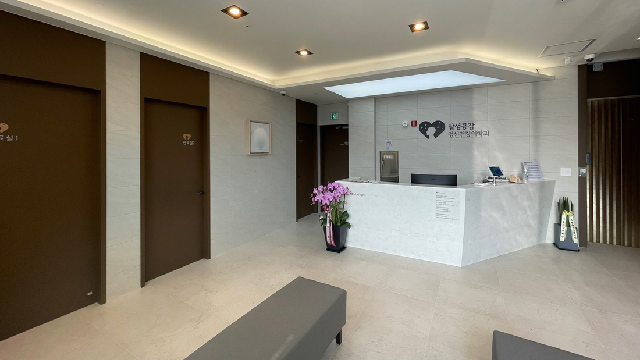
Samsung Gonggam Psychiatry Clinic was established on the conviction that accessible, stigma-free psychiatric care should be available to everyone who needs it. Since opening in 2021, the Dongja Branch has grown into a trusted outpatient psychiatric destination, completing over 12,000 consultations annually across a network of ten clinics nationwide — serving Korean residents, international professionals, expats, students, and families.
For patients with specific phobia, the quality of the clinical relationship matters enormously. Fear that has been normalized, minimized, or quietly accepted for years deserves to be met with genuine clinical seriousness — and with a treatment approach that is both evidence-based and personally calibrated. That is what Samsung Gonggam Psychiatry Clinic provides.
- Specialist anxiety and phobia care delivered by psychiatrists trained at Samsung Seoul Hospital and Seoul National University Hospital — two of Korea's foremost academic medical institutions
- Accurate diagnosis and targeted treatment — careful differential assessment ensuring that the specific nature of your anxiety is correctly identified and appropriately treated
- Stigma-free, patient-centered environment — designed for patients approaching psychiatric care for the first time, including international residents unfamiliar with the Korean healthcare system
- Collaborative, transparent care — treatment decisions made with your input, your goals, and your circumstances at the center of every conversation
Specific Phobia Does Not Have to Define Your Life
Whether your phobia has been quietly limiting your life for months or shaping your decisions for decades, effective psychiatric treatment is available. At Samsung Gonggam Psychiatry Clinic, the first step toward recovery is simply being heard — by a board-certified psychiatrist who takes your experience seriously and has the clinical expertise to help.
Dr. Cho Hyunwook and Dr. Chae Soohyun are ready to provide the thorough, individualized evaluation and care that specific phobia and anxiety disorders deserve. Recovery is not just a possibility — for most patients who engage with treatment, it is the outcome.
[Book Your Specific Phobia Consultation at Samsung Gonggam Psychiatry Clinic]
Contact our clinic today to schedule your consultation with one of our board-certified psychiatrists. Same-week appointments are available, and no referral is required. Our appointment team will connect you with the right care at a time that works for you.
📞 Reach our care team directly to take the first step toward a life no longer organized around fear.
Other Services
Explore additional treatments offered by our specialists.

Alcohol Use Disorder
The term alcoholism is widely used but clinically imprecise.
Learn More

Stress Management
Stress is the physical and mental response that occurs when a person feels that what they are facing exceeds their capacity to cope.
Learn More

Binge Eating / Obesity
Binge eating and stress-related obesity are conditions where the psychological dimension is not secondary to the clinical picture — it is central to it.
Learn More