Personalized Medical Care & Dedicated International Patient Concierge


Specialized Psychiatric Care · Needs Clinic Confirmation
Stress Management
Stress is the physical and mental response that occurs when a person feels that what they are facing exceeds their capacity to cope.
Schedule a Consultation
What Is Stress — And When Does It Require Professional Treatment?
Stress is the physical and mental response that occurs when a person feels that what they are facing exceeds their capacity to cope. In the short term, stress is a normal and functional response — sharpening attention, mobilizing energy, and preparing the body and mind to meet demands. Initial stress typically produces anxiety symptoms: agitation, worry, and concern. As the stressor continues, depressive symptoms may follow. When the stressor passes, these responses resolve.
But when stress is chronic — when it persists without adequate recovery, accumulates across multiple life domains, or exceeds the individual's coping resources over an extended period — the picture changes entirely. Chronic stress is not simply ongoing pressure. It is a physiological and psychological state in which the body's stress response systems remain persistently activated — releasing cortisol and adrenaline in patterns that damage internal systems, dysregulate the autonomic nervous system, and create the conditions for anxiety disorders, adjustment disorders, and other serious psychiatric conditions to develop.
At Samsung Gonggam Psychiatry Clinic, chronic stress is assessed with clinical precision — including HRV testing to evaluate autonomic nervous system function — and treated with the individualized, evidence-based approach it requires.
Understanding Chronic Stress: Physical, Psychological, and Behavioral Symptoms

Chronic stress produces a remarkably wide range of symptoms that span physical, psychological, and behavioral domains. Many patients present to medical settings with physical symptoms — headaches, fatigue, digestive problems, chest tightness — without recognizing stress as the underlying driver. Understanding the full symptom picture is the first step toward accurate assessment.
- Physical Symptoms: Chronic stress manifests physically through headaches, insomnia, abdominal pain, constipation, diarrhea, extreme fatigue, indigestion, dizziness, palpitations, hyperventilation, chest tightness, itching, back pain, shoulder pain, dry mouth, and sweating. These symptoms reflect the direct physiological impact of sustained cortisol and adrenaline release on multiple body systems — and they are frequently investigated medically without identifying stress as their source.
- Psychological Symptoms: The psychological burden of chronic stress includes anxiety, worry, depression, nervousness, irritability, anger, impatience, dissatisfaction, memory decline, and reduced concentration. These symptoms compound the functional impact of stress — impairing the cognitive and emotional resources needed to manage the stressors themselves, creating a deteriorating cycle that is difficult to interrupt without clinical support.
- Behavioral Symptoms: Chronic stress consistently produces behavioral changes including nail biting, leg shaking, restlessness, excessive alcohol consumption, overeating, increased smoking, aggressive behavior, and impulsive decision-making. These behaviors represent the individual's attempts to manage an intolerable internal state — and while they may provide temporary relief, they typically worsen the overall stress burden over time.
HRV Testing — Measuring Stress at the Level of the Autonomic Nervous System
One of the distinguishing features of stress assessment at Samsung Gonggam Psychiatry Clinic is the use of HRV — Heart Rate Variability — testing as a clinical evaluation tool.
Stress symptoms manifest through dysfunction of the autonomic nervous system — the neurological system that regulates the body's internal environment in response to external demands and situational factors. Under chronic stress or emotional instability, the autonomic nervous system loses its capacity to regulate the body appropriately, producing the wide range of physical and psychological symptoms that chronic stress generates.
HRV measures the periodic variation in heartbeat rhythm over time — tracking the autonomic nervous system's homeostatic regulation mechanisms in response to internal and external environmental factors. A healthy autonomic nervous system shows appropriate variation in heart rate; a stressed or dysregulated one shows characteristic patterns that reflect its impaired regulatory capacity.
HRV testing at Samsung Gonggam Psychiatry Clinic provides an objective, clinically validated measure of fatigue and stress severity — giving both the psychiatrist and the patient a concrete picture of the physiological impact of chronic stress. It is the first step in the clinical resolution of chronic stress syndrome and serves as a baseline for monitoring treatment response over time.
Who Needs Stress Management Assessment and Treatment?
Chronic stress is consistently undertreated — often because those experiencing it normalize their symptoms, attribute them to external circumstances rather than a clinical condition, or are waiting for life to simply become less demanding before seeking support. Professional evaluation is strongly advisable if you recognize yourself in any of the following:
- Adults experiencing persistent physical symptoms — headaches, fatigue, insomnia, digestive problems, chest tightness, or palpitations — that have not been explained by medical investigation and that worsen during periods of high demand
- Those whose anxiety or low mood has been present for weeks or months in the context of sustained occupational, relational, or personal pressure — and who recognize that the emotional symptoms are not resolving despite their best efforts
- People whose concentration, memory, and decision-making are noticeably impaired — who are making errors, missing information, or finding cognitive tasks significantly more demanding than usual
- Adults whose behavioral responses to stress are becoming concerning — increased alcohol consumption, overeating, smoking, or impulsive behavior that is being used to manage an internal state that feels otherwise unmanageable
- Those experiencing burnout — a state of emotional exhaustion, depersonalization, and reduced sense of personal accomplishment produced by chronic occupational stress — who recognize that rest alone is not producing recovery
- People whose stress has persisted long enough that anxiety or depressive symptoms are now present outside the immediate stress context — suggesting that chronic stress may be progressing toward an anxiety or mood disorder
- Adults who want an objective assessment of their stress levels — including HRV testing — to understand the physiological impact of chronic stress and establish a clinical baseline for treatment and monitoring
- Those who have been managing stress independently for an extended period and recognize that their current strategies are no longer sufficient to prevent deterioration in their physical and mental health
Meet the Specialists in Stress Management and Psychiatric Care
|
|
Dr. Hyunwook Cho MD MSc. Medical Doctor, | Dr. Soohyun Chae MD MSc. Medical Doctor, |


Dr. Cho Hyunwook — Representative Director
Dr. Cho Hyunwook holds a Master of Medicine from Sungkyunkwan University and completed his psychiatric residency at Samsung Seoul Hospital. As Adjunct Professor in the Department of Psychiatry at Samsung Seoul Hospital, he brings academic-level clinical expertise into outpatient practice. His career spans military psychiatry as Chief of Psychiatry at the ROK Armed Forces Military Hospital, clinical directorship at Seoul Myeong Hospital, and private practice leadership at Haesol Psychiatry Clinic in Incheon. A Full Member of the Korean Neuropsychiatric Association and Korean Association for Analytic Psychotherapy, and Lifetime Member of the Korean Academy of Child and Adolescent Psychiatry, Dr. Cho brings extensive experience in stress-related psychiatric presentations — recognizing the critical relationship between chronic stress, autonomic dysregulation, and the development of anxiety and mood disorders.
Dr. Chae Soohyun — Director
Dr. Chae Soohyun graduated from Seoul National University College of Medicine and completed her internship and psychiatric residency at Seoul National University Hospital. A current PhD Candidate in Medicine at SNU, her clinical background includes specialist work at the Seoul Sunflower Center and public mental health leadership as Doctor-in-Charge for Mokpo City. A Full Member of the Korean Neuropsychiatric Association and Korean Academy of Child and Adolescent Psychiatry, Dr. Chae's community mental health background reflects deep familiarity with the occupational, relational, and life-stage stressors that drive chronic stress presentations across diverse populations. Her approach combines clinical precision with genuine sensitivity to the personal and contextual dimensions of each patient's stress experience.
Both psychiatrists share the clinic's founding commitment to Gonggam (공감) — empathy — ensuring every patient presenting with chronic stress is met with the clinical attention and personal understanding their situation deserves.
Stress Management Treatment: What the Process Addresses
- Autonomic Nervous System Regulation: HRV-guided assessment identifies the specific pattern of autonomic dysregulation present, and treatment works to restore the nervous system's regulatory capacity over time. As autonomic function improves, the physical symptoms of chronic stress — palpitations, fatigue, sleep disruption, digestive problems — typically reduce alongside the psychological ones. Individual results vary and no specific outcome is guaranteed.
- Anxiety and Mood Stabilization: Where chronic stress has progressed to anxiety symptoms or depressive episodes, treatment addresses these clinical presentations directly — preventing the further development of anxiety disorders or mood conditions that untreated chronic stress consistently produces. Results are individual and timelines vary.
- Behavioral Pattern Change: The maladaptive behavioral responses to stress — alcohol use, overeating, impulsive behavior — are addressed as integral components of treatment. As internal stress levels reduce and more effective coping strategies are developed, the behavioral symptoms that have been managing an unmanageable internal state typically diminish correspondingly.
The Stress Assessment and Treatment Process

1. Initial Psychiatric Stress Consultation: Your first appointment is a comprehensive evaluation of your stress symptoms, their physical, psychological, and behavioral dimensions, their duration and context, and their impact on daily functioning. This forms the clinical foundation of your individualized care plan.
2. HRV Assessment: HRV testing provides an objective clinical measure of autonomic nervous system function and stress severity — giving both you and your psychiatrist a concrete picture of the physiological impact of chronic stress and a baseline for monitoring treatment response.
3. Diagnosis and Treatment Planning: Based on consultation and HRV findings, your psychiatrist establishes an accurate clinical formulation and develops a treatment plan collaboratively with you. Where chronic stress has progressed to anxiety disorder or adjustment disorder, treatment addresses the full clinical picture.
4. Individualized Treatment: Treatment integrates pharmacological management where clinically appropriate with psychological intervention — building stress regulation capacity, developing effective coping strategies, and addressing the cognitive and behavioral patterns sustaining chronic stress. Practical, skills-based approaches are prioritized throughout.
5. Ongoing Monitoring and Review: Regular follow-up appointments track symptom response, review HRV findings over time, and adjust the treatment plan as your stress levels and clinical presentation evolve. Consistent clinical attention through the treatment period is what allows stress-related conditions to genuinely resolve rather than temporarily improve.
Results, Safety, and What to Expect
Chronic stress and its psychiatric consequences respond well to evidence-based assessment and treatment. Meaningful improvement in both the physical and psychological symptoms of stress is achievable for patients who engage consistently with care. Individual timelines vary, and realistic expectations are established clearly during the initial consultation.
Where medication is part of the treatment plan, it is selected carefully, discussed openly, and monitored throughout. No specific outcome can be guaranteed, and individual results differ. Samsung Gonggam Psychiatry Clinic commits to a process that is transparent, collaborative, and genuinely attentive to your progress from the first consultation onward.
Real Patient Experiences: Stress Management Care at Samsung Gonggam Psychiatry Clinic
"I thought I just needed a holiday — it turned out I needed clinical support" — Manager, Early 40s
After eighteen months of sustained occupational pressure, this patient was experiencing daily headaches, persistent insomnia, and an anxiety level that no longer resolved during weekends or leave periods. HRV testing at Samsung Gonggam Psychiatry Clinic revealed significant autonomic dysregulation. A structured treatment plan addressing both the physiological and psychological dimensions of chronic stress produced meaningful improvement in sleep quality, anxiety levels, and daily functioning over several months of care.
"My body was telling me what my mind was refusing to accept" — Teacher, Mid-30s
This patient had been experiencing chest tightness, shoulder pain, and extreme fatigue for over a year — investigated medically without finding a physical cause. Psychiatric assessment identified chronic stress with autonomic nervous system dysregulation as the clinical driver. Treatment addressing both the stress and a co-occurring adjustment disorder produced gradual but consistent improvement in physical symptoms and emotional stability.
Why Choose Samsung Gonggam Psychiatry Clinic for Stress Management Treatment?
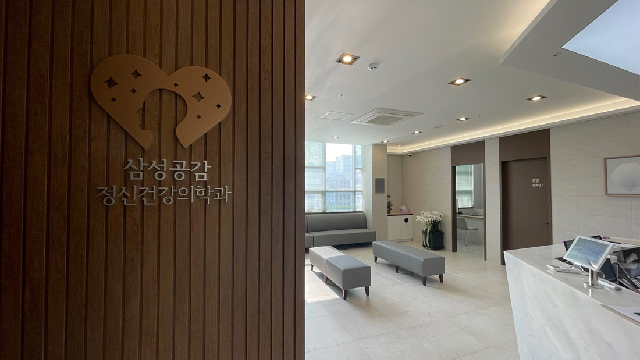
Chronic stress requires both clinical precision and genuine empathy — the diagnostic accuracy to identify when stress has crossed into psychiatric territory, and the personal sensitivity to meet patients where they are. At Samsung Gonggam Psychiatry Clinic, HRV-based objective stress assessment combined with board-certified psychiatric expertise delivers a standard of stress management care that goes well beyond general advice and lifestyle recommendations.
- HRV-based objective stress assessment — clinical measurement of autonomic nervous system function providing a concrete picture of chronic stress impact
- Integrated physical and psychiatric care — addressing both the somatic and psychological dimensions of chronic stress within a unified treatment plan
- Evidence-based psychological intervention — practical stress regulation strategies alongside pharmacological support where clinically indicated
- Stigma-free, empathy-led care grounded in Gonggam (공감) — for patients who have been managing alone for too long
Chronic Stress Is a Clinical Condition — And It Is Treatable
If chronic stress is affecting your physical health, your mental wellbeing, or your daily functioning — effective, compassionate care is available. At Samsung Gonggam Psychiatry Clinic, the first step is a thorough consultation and HRV assessment with a board-certified psychiatrist who will take your stress seriously and work with you toward a plan that addresses its clinical dimensions.
[Book Your Stress Assessment at Samsung Gonggam Psychiatry Clinic]
Contact our clinic today. Same-week appointments are available and no referral is required. You will be connected directly with our appointment team to find a time that works for you.
Other Services
Explore additional treatments offered by our specialists.

Alcohol Use Disorder
The term alcoholism is widely used but clinically imprecise.
Learn More
Stress Management
Stress is the physical and mental response that occurs when a person feels that what they are facing exceeds their capacity to cope.
Learn More

Binge Eating / Obesity
Binge eating and stress-related obesity are conditions where the psychological dimension is not secondary to the clinical picture — it is central to it.
Learn More