Personalized Medical Care & Dedicated International Patient Concierge


Child & Adolescent Psychiatry · Needs Clinic Confirmation
Tic Disorder
A tic is a sudden, rapid, repetitive, non-rhythmic movement or vocalization that occurs involuntarily — or with only very limited ability to suppress.
Schedule a Consultation
What Is Tic Disorder — And When Does It Need Professional Assessment?
A tic is a sudden, rapid, repetitive, non-rhythmic movement or vocalization that occurs involuntarily — or with only very limited ability to suppress. Tics are more common in childhood than many parents realize, affecting a significant proportion of school-age children to varying degrees. In many cases they are mild, temporary, and resolve without treatment. But when tics are frequent, persistent, distressing to the child, or causing social or functional difficulty, clinical assessment and management are the right response.
What makes tic disorders particularly challenging for families is their unpredictability and visibility. Unlike many other childhood psychiatric conditions, tics are often observable to others — teachers, classmates, and strangers — which exposes the child to misunderstanding, teasing, and social difficulty that compounds the distress of the condition itself. A child who cannot control their eye blinking, throat clearing, or head jerking is not being disruptive or attention-seeking. They are experiencing a neurodevelopmental condition that deserves clinical attention and family support.
At Samsung Gonggam Psychiatry Clinic, tic disorder in children and adolescents is assessed and treated by specialists with dedicated expertise in child and adolescent psychiatry — combining clinical precision with the genuine warmth and developmental sensitivity that younger patients require.
Understanding Tic Disorder: Types, Features, and Tourette's Disorder
- Motor Tics: Motor tics are repetitive, involuntary movements affecting the face, neck, shoulders, trunk, or limbs. Common presentations include eye blinking, facial grimacing, head jerking, shoulder shrugging, and limb movements. Simple motor tics involve a single muscle group; complex motor tics involve coordinated movements across multiple groups that can appear more purposeful and are often more functionally disruptive.
- Vocal Tics: Vocal tics are repetitive sounds or vocalizations produced involuntarily. Common presentations include throat clearing, sniffing, grunting, and coughing. As with motor tics, vocal tics range from simple single sounds to more complex vocalizations — and in some cases may include words or phrases. Vocal tics are frequently mistaken for deliberate behavior or a nervous habit, leading to frustration and mishandling by adults who do not recognize the involuntary nature of the symptom.
- Tourette's Disorder: When both motor and vocal tics are present and have persisted for more than one year, the condition meets the diagnostic criteria for Tourette's Disorder — a more complex and persistent form of tic disorder that requires structured, long-term clinical management. Tourette's Disorder is often misunderstood publicly, partly due to dramatic media representations that do not reflect the typical clinical picture. Most children and adolescents with Tourette's Disorder have tics that, while disruptive, do not include the coprolalia (involuntary swearing) that popular culture frequently associates with the condition.
- Key Features of Tic Disorders: Several features are consistent across tic disorders and important for families to understand. Tics typically worsen during periods of stress, excitement, anxiety, or fatigue — and may be less visible during calm, focused activity. Many children experience a premonitory urge — a sense of inner tension or discomfort that precedes the tic and is temporarily relieved by its expression. Tics often wax and wane in frequency and severity over time, and their nature may change — one tic resolving while another emerges.
- Co-occurring Conditions: Tic disorders frequently co-occur with ADHD and anxiety disorders — a clinical reality that significantly shapes assessment and treatment. A child presenting with tics who also has unrecognized ADHD or anxiety may be experiencing compounded functional difficulties that neither condition alone fully explains. Comprehensive assessment at Samsung Gonggam Psychiatry Clinic always screens for co-occurring conditions alongside tic disorder evaluation.
Who Needs a Tic Disorder Assessment?
Professional evaluation is strongly advisable if you recognize any of the following in your child or adolescent:
- Children with sudden, repetitive, involuntary movements — eye blinking, facial grimacing, head jerking, shoulder shrugging — that have persisted beyond a few weeks and are occurring regularly
- Those with repetitive involuntary sounds or vocalizations — throat clearing, sniffing, grunting — that are not explained by illness and that parents or teachers have noticed as a pattern
- Children whose tics are causing distress — who are aware of their tics, embarrassed by them, or expressing frustration at their inability to control them
- Young people experiencing social difficulty related to visible or audible tics — being teased, avoiding social situations, or withdrawing from activities they previously enjoyed
- Children with both motor and vocal tics present for more than one year — meeting the threshold for Tourette's Disorder assessment and structured long-term management
- Those whose tics worsen noticeably during periods of stress, anxiety, or school pressure — suggesting a significant anxiety component that requires parallel assessment and management
- Children already diagnosed with ADHD or anxiety in whom tics have emerged — requiring integrated assessment of all co-occurring conditions within a unified care plan
- Families who have been told that their child's movements or sounds are behavioral, attention-seeking, or within normal range — but who feel that professional clinical assessment is needed for clarity and confidence
Meet the Specialists in Child & Adolescent Tic Disorder Treatment
|
|
Dr. Hyunwook Cho MD MSc. Medical Doctor, | Dr. Soohyun Chae MD MSc. Medical Doctor, |


Dr. Cho Hyunwook — Representative Director
Dr. Cho Hyunwook holds a Master of Medicine from Sungkyunkwan University and completed his psychiatric residency at Samsung Seoul Hospital. As Adjunct Professor in the Department of Psychiatry at Samsung Seoul Hospital, he brings academic-level clinical expertise into outpatient practice. His career spans military psychiatry, clinical directorship at Seoul Myeong Hospital, and private practice leadership at Haesol Psychiatry Clinic in Incheon.
A Full Member of the Korean Neuropsychiatric Association and Korean Association for Analytic Psychotherapy, Dr. Cho holds Lifetime Membership in the Korean Academy of Child and Adolescent Psychiatry — reflecting a long-standing and deep commitment to the mental health of younger patients. His broad clinical experience across diverse psychiatric settings gives him a comprehensive perspective on childhood tic presentations and the complex co-occurring conditions that frequently accompany them.
Dr. Chae Soohyun — Director
Dr. Chae Soohyun graduated from Seoul National University College of Medicine and completed her internship and psychiatric residency at Seoul National University Hospital. A current PhD Candidate in Medicine at SNU, she serves as the primary clinical lead for child and adolescent patients at Samsung Gonggam Psychiatry Clinic. Her background includes specialist work at the Seoul Sunflower Center and public mental health leadership as Doctor-in-Charge for Mokpo City.
A Full Member of the Korean Neuropsychiatric Association and Korean Academy of Child and Adolescent Psychiatry, Dr. Chae's specialized training in child and adolescent psychiatry is directly relevant to tic disorder assessment and management. Her community mental health background reflects a genuine commitment to accessible, family-centered care — meeting children and adolescents where they are and supporting families through every stage of the treatment journey.
Both psychiatrists share the clinic's founding commitment to Gonggam (공감) — empathy — and to the belief that every child deserves compassionate, evidence-based psychiatric support within a family-inclusive framework.
Tic Disorder Treatment: What the Process Addresses
- Tic Frequency, Severity, and Functional Impact: The primary goal of tic disorder treatment is reducing the frequency and severity of tics to a level that minimizes functional impairment and distress — not necessarily eliminating tics entirely, which is not always achievable or clinically necessary. Through behavioral approaches and medication management where indicated, meaningful reduction in tic burden is achievable for many patients. Individual results vary and no specific outcome is guaranteed.
- Social Confidence and School Functioning: The social consequences of tic disorder — teasing, embarrassment, avoidance of activities — are addressed as central clinical concerns rather than secondary considerations. As tic severity reduces and the child and family develop a clearer understanding of the condition, social confidence typically improves and participation in school and peer activities recovers. Results are individual and timelines vary.
- Co-occurring ADHD and Anxiety: Where ADHD or anxiety co-occurs with tic disorder, integrated treatment addresses all conditions within a unified plan. Treating anxiety often produces a secondary reduction in tic severity — since anxiety is one of the most significant tic-worsening factors. Addressing ADHD alongside tic disorder improves academic and behavioral functioning in ways that neither treatment alone achieves.
- Family Understanding and Psychoeducation: A child's experience of tic disorder is profoundly shaped by how the people around them understand and respond to it. Family psychoeducation — helping parents, siblings, and where appropriate teachers understand the involuntary nature of tics, the factors that worsen them, and the most helpful ways to respond — is an integral and high-impact component of every tic disorder treatment plan.
The Tic Disorder Assessment and Treatment Process

1. Initial Child & Adolescent Psychiatric Assessment: Your child's first appointment is a comprehensive, age-appropriate psychiatric evaluation conducted in a warm, child-friendly environment. The assessment includes a detailed clinical interview with both the child and their parents — covering the nature, history, and pattern of tics, developmental background, school functioning, social experience, and family context. By the end of the first visit, families will have a clear clinical understanding of the likely diagnosis and the recommended treatment approach.
2. Diagnosis and Co-occurring Condition Screening: Tic disorder is confirmed and classified — motor, vocal, or Tourette's Disorder — through careful clinical assessment. Co-occurring ADHD and anxiety are screened for systematically, ensuring that the full clinical picture is understood before treatment planning begins.
3. Individualized Treatment Planning: Your child's treatment plan is developed collaboratively with the family, tailored to the specific tic diagnosis, severity, co-occurring conditions, developmental stage, and individual circumstances. Behavioral approaches form the foundation of tic disorder treatment; medication management is considered where tics are severe, persistent, or significantly impairing and where behavioral approaches alone are insufficient.
4. Family Psychoeducation and School Guidance: Psychoeducation for parents and caregivers is provided as a structured component of every tic disorder treatment plan — covering the nature of tics, the factors that influence their severity, and practical strategies for supporting the child at home and in school settings. Where clinically indicated, guidance for school communication is also provided.
5. Ongoing Monitoring and Long-Term Support: Tic disorders evolve over time — waxing and waning in severity, changing in nature, and responding differently to treatment across developmental stages. Regular follow-up appointments track progress, adjust treatment as needed, and provide the consistent clinical support that both children and families benefit from throughout the treatment journey.
Results, Safety, and What to Expect
Tic disorders respond to evidence-based behavioral and pharmacological management, and meaningful reduction in tic frequency, severity, and associated distress is achievable for most patients who engage consistently with care. Individual outcomes vary, and the goal of treatment is functional improvement and quality of life rather than complete tic elimination — a realistic and clinically sound target that is established clearly during the initial consultation.
Behavioral treatment components carry no significant risk and are paced entirely to the child's developmental stage and readiness. Medication, where recommended, is selected carefully with full discussion of options and monitoring throughout. No specific outcome can be guaranteed, and individual results differ.
Real Patient Experience: Tic Disorder Care at Samsung Gonggam Psychiatry Clinic

"His teachers thought he was being disruptive on purpose" — Parent of 8-year-old
This boy had been experiencing frequent eye blinking and shoulder shrugging for several months before his parents sought assessment. Teachers had repeatedly asked him to stop, and he had begun to feel ashamed and anxious at school — aware that something was happening that he could not control but unable to explain it. A comprehensive evaluation at Samsung Gonggam Psychiatry Clinic confirmed a motor tic disorder alongside mild anxiety that had been significantly worsening the tics. A treatment plan combining behavioral approaches and family psychoeducation — including a letter of explanation for his school — produced a meaningful reduction in tic frequency within several months and a clear improvement in his classroom confidence.
"Our daughter's throat clearing was constant — we didn't know it was a tic" — Parent of 11-year-old
This patient's parents had initially attributed her persistent throat clearing to allergies or a recurring throat infection. After multiple medical consultations found no physical cause, they were referred for psychiatric assessment. At Samsung Gonggam Psychiatry Clinic, a thorough evaluation identified a vocal tic disorder alongside co-occurring ADHD that had not previously been recognized. An integrated treatment plan addressing both conditions produced improvement across multiple areas — tic frequency reduced, concentration improved, and her parents described a child who seemed noticeably more settled and engaged at home and school.
Why Choose Samsung Gonggam Psychiatry Clinic for Child Tic Disorder Treatment?
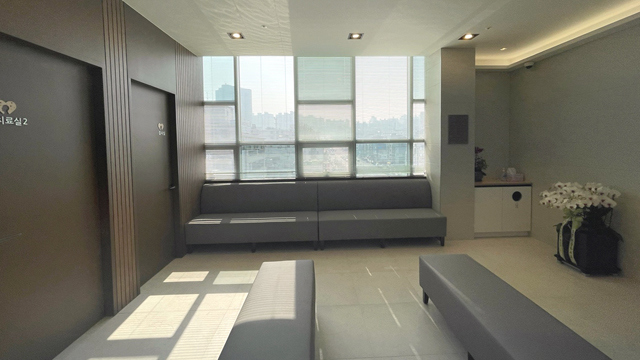
Tic disorder in children requires specialist expertise, genuine developmental sensitivity, and a family-inclusive approach that recognizes the child's experience within the broader context of their home, school, and social life. At Samsung Gonggam Psychiatry Clinic, Dr. Chae Soohyun's specialized child and adolescent psychiatry training and Dr. Cho Hyunwook's Lifetime Membership in the Korean Academy of Child and Adolescent Psychiatry together represent a level of dedicated expertise that children with tic disorders deserve.
- Specialized child & adolescent psychiatric expertise — dedicated training and experience in tic disorder assessment and management across all age groups
- Comprehensive co-occurring condition assessment — integrated evaluation of ADHD and anxiety alongside tic disorder within a unified care plan
- Family-inclusive, psychoeducation-centered approach — actively involving parents and caregivers in every stage of assessment and treatment
- Stigma-free, empathy-led environment grounded in Gonggam (공감) — designed for children, adolescents, and families navigating a condition that is frequently misunderstood
Your Child Deserves to Be Understood — Tic Disorder Support Starts Here
If your child is experiencing involuntary tics that are causing distress, social difficulty, or functional impairment — compassionate, expert care is available. At Samsung Gonggam Psychiatry Clinic, the first step is a thorough, child-friendly consultation with a board-certified specialist who will assess your child carefully and work with your family toward a plan that truly supports them.
[Book Your Child's Tic Disorder Consultation at Samsung Gonggam Psychiatry Clinic]
Contact our clinic today to schedule your consultation. Same-week appointments are available and no referral is required. You will be connected directly with our appointment team to find the right time for your family.
Other Services
Explore additional treatments offered by our specialists.

Alcohol Use Disorder
The term alcoholism is widely used but clinically imprecise.
Learn More

Stress Management
Stress is the physical and mental response that occurs when a person feels that what they are facing exceeds their capacity to cope.
Learn More

Binge Eating / Obesity
Binge eating and stress-related obesity are conditions where the psychological dimension is not secondary to the clinical picture — it is central to it.
Learn More