Personalized Medical Care & Dedicated International Patient Concierge


Specialized Psychiatric Care · Needs Clinic Confirmation
Women's Mental Health
Women's mental health encompasses the psychiatric conditions and emotional challenges that arise specifically — or disproportionately — in the context of women's hormonal, reproductive, and life-stage experiences.
Schedule a Consultation
What Is Women's Mental Health — And Why Does It Need Specialist Attention?
Women's mental health encompasses the psychiatric conditions and emotional challenges that arise specifically — or disproportionately — in the context of women's hormonal, reproductive, and life-stage experiences. From the postpartum period through the premenstrual cycle to the hormonal transitions of midlife, women face a distinct set of biological and psychosocial factors that shape their mental health in ways that general psychiatric care does not always fully address.
Hormonal fluctuations across the female reproductive lifespan — through the menstrual cycle, pregnancy, the postpartum period, perimenopause, and menopause — directly influence mood regulation, anxiety levels, sleep, energy, and cognitive function. When these fluctuations coincide with significant life transitions — the demands of new motherhood, the identity and relationship changes of midlife, the occupational and family pressures of middle age — the psychiatric impact can be profound and, without appropriate support, prolonged.
What makes women's mental health particularly important to address is the frequency with which its conditions are normalized, minimized, or attributed to personal weakness rather than recognized as clinical presentations that deserve professional evaluation and care. Postpartum depression is not simply the "baby blues." Menopausal depression is not simply aging. Severe PMS is not simply a normal part of being a woman. Each of these conditions is clinically real, clinically significant, and clinically treatable — and at Samsung Gonggam Psychiatry Clinic, each is taken with the seriousness it deserves.
Women's Mental Health Conditions Treated at Samsung Gonggam Psychiatry Clinic
- Postpartum Depression: Up to 85% of women experience some degree of low mood following childbirth — a phenomenon known as postpartum blues. This typically begins two to four days after delivery, peaks around days three to five, and resolves naturally within two weeks. For most women, postpartum blues is a temporary, self-limiting experience of tearfulness, irritability, anxiety, and mood fluctuation that does not significantly impair daily functioning.
However, between 10 and 20% of mothers experience something more significant — a clinical level of depression or, in some cases, psychosis that requires professional assessment and treatment. Postpartum depression does not always look like obvious sadness. It may present as persistent anxiety, emotional numbness, difficulty bonding with the baby, intrusive thoughts, exhaustion disproportionate to sleep deprivation, or a growing sense of inability to cope. These symptoms do not reflect a failure of motherhood — they reflect a clinical condition that responds well to appropriate psychiatric care.
Early identification and treatment of postpartum depression is important not only for the mother's wellbeing but for the developing infant and the broader family unit. At Samsung Gonggam Psychiatry Clinic, postpartum depression is assessed and treated with the clinical precision and personal sensitivity this condition demands.
- Menopausal Depression: The hormonal changes of perimenopause and menopause produce a range of physical and psychological effects that can significantly impact mental health. Menopausal depression is a distinct clinical presentation involving depressive symptoms that arise in the context of midlife hormonal transition — and it is shaped not only by biology but by the life circumstances that frequently converge at this stage: changing family roles, occupational transitions, questions about identity and meaning, and the emotional weight of physical change.
Symptoms of menopausal depression include anxiety, agitation, insomnia or hypersomnia, lethargy, and loss of interest in previously enjoyed activities — a clinical picture similar to general depression but with a hormonal and life-stage context that requires nuanced assessment. Like all depressive conditions, menopausal depression can progress to severe levels including suicidal ideation if left untreated. Early clinical intervention is strongly advisable — and the combination of psychiatric support and appropriate hormonal awareness produces better outcomes than either approach alone.
- Premenstrual Syndrome: Premenstrual syndrome involves a recurring cluster of emotional, behavioral, and physical symptoms that emerge in the luteal phase of the menstrual cycle — after ovulation — and resolve within days of menstruation beginning. Physical symptoms include breast tenderness, bloating, and headaches. Psychological symptoms include mood swings, depression, anxiety, irritability, and in some cases aggression. Symptoms are most severe in the week before menstruation and are completely absent from menstruation through to the next ovulation.
For many women, PMS is a manageable inconvenience. For others, the severity of psychological symptoms — particularly when mood dysregulation, depression, and anxiety are prominent — significantly impairs daily functioning, relationships, and quality of life in the days before each menstrual cycle. When PMS reaches this level of functional impairment, psychiatric evaluation and individualized treatment are the appropriate response.
Who Needs Women's Mental Health Treatment?
Professional evaluation is strongly advisable if you recognize yourself in any of the following:
- New mothers experiencing persistent low mood, anxiety, or emotional numbness beyond the first two weeks after delivery — particularly those finding it difficult to bond with their baby, cope with daily demands, or feel like themselves
- Women who experienced postpartum blues that did not resolve within two weeks — or that resolved but have returned — and who are concerned that what they are experiencing may have progressed to clinical depression
- Middle-aged women experiencing depressive symptoms in the context of perimenopause or menopause — anxiety, agitation, sleep disturbance, loss of interest, or a pervasive low mood that does not lift
- Those whose menopausal mood symptoms are affecting daily functioning, relationships, or occupational performance — and who recognize that what they are experiencing goes beyond normal adjustment to midlife change
- Women experiencing severe PMS — whose premenstrual mood symptoms are significantly impairing their relationships, work, or daily life in the days before each cycle, and who recognize a clear and recurring pattern
- Those who have been told that their postpartum struggles, menopausal symptoms, or premenstrual mood changes are normal, expected, or something to simply manage — but who feel that professional support would make a meaningful difference
- Women with a personal or family history of depression or anxiety who are entering a hormonally significant life stage and want proactive psychiatric assessment and support
- Those experiencing thoughts of self-harm or suicide in the context of any of the above conditions — for whom urgent psychiatric assessment is the immediate priority
Meet the Specialists in Women's Mental Health
|
|
Dr. Hyunwook Cho MD MSc. Medical Doctor, | Dr. Soohyun Chae MD MSc. Medical Doctor, |
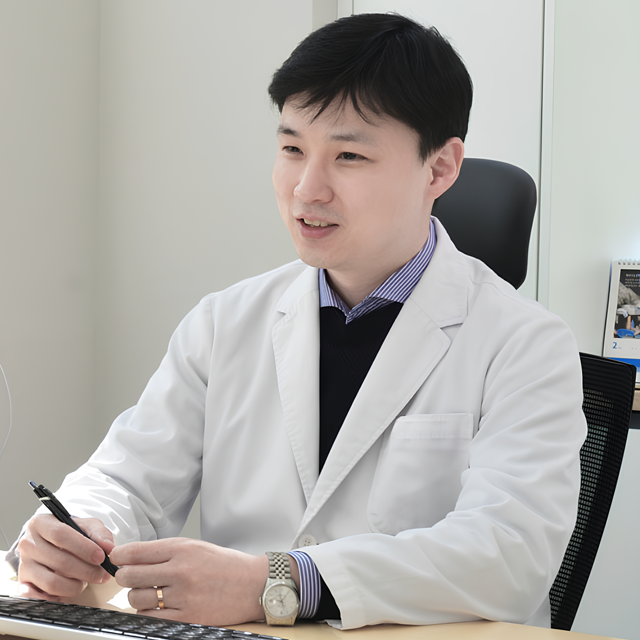

Dr. Cho Hyunwook — Representative Director
Dr. Cho Hyunwook holds a Master of Medicine from Sungkyunkwan University and completed his psychiatric residency at Samsung Seoul Hospital. As Adjunct Professor in the Department of Psychiatry at Samsung Seoul Hospital, he brings academic-level expertise into outpatient practice. His career spans military psychiatry, clinical directorship at Seoul Myeong Hospital, and private practice leadership at Haesol Psychiatry Clinic in Incheon. A Full Member of the Korean Neuropsychiatric Association and Korean Association for Analytic Psychotherapy, and Lifetime Member of the Korean Academy of Child and Adolescent Psychiatry, Dr. Cho brings broad psychiatric experience to the assessment and treatment of mood disorders across all life stages.
Dr. Chae Soohyun — Director
Dr. Chae Soohyun graduated from Seoul National University College of Medicine and completed her internship and psychiatric residency at Seoul National University Hospital. A current PhD Candidate in Medicine at SNU, her clinical background includes specialist work at the Seoul Sunflower Center and public mental health leadership as Doctor-in-Charge for Mokpo City. A Full Member of the Korean Neuropsychiatric Association and Korean Academy of Child and Adolescent Psychiatry, Dr. Chae holds a specialized focus in women's mental health — bringing both research-informed clinical expertise and genuine personal sensitivity to the assessment and treatment of postpartum depression, menopausal mood disorders, and PMS. Her understanding of the hormonal, relational, and life-stage dimensions of women's psychiatric presentations makes her the primary clinical lead for women's mental health at Samsung Gonggam Psychiatry Clinic.
Both psychiatrists share the clinic's founding commitment to Gonggam (공감) — empathy — ensuring every woman who seeks care is met with the understanding, respect, and clinical precision her situation deserves.
Women's Mental Health Treatment: What the Process Addresses

- Postpartum Mood Stabilization and Maternal Wellbeing: Treatment for postpartum depression focuses on restoring mood stability, reducing anxiety, and supporting the mother's capacity to engage with her baby and daily life. As symptoms improve, the experience of early motherhood — which postpartum depression can profoundly distort — becomes more accessible. Individual results vary and no specific outcome is guaranteed.
- Menopausal Mood and Functional Recovery: Menopausal depression treatment addresses both the depressive symptoms and the life-stage context in which they arise — supporting mood stabilization, sleep improvement, and the restoration of energy and engagement with daily life. Where hormonal factors are significant, treatment is calibrated accordingly. Results are individual and timelines vary.
- PMS Symptom Reduction and Cycle Management: For women with clinically significant PMS, treatment works to reduce the severity of premenstrual mood symptoms — decreasing their impact on relationships, work, and daily functioning. As symptom severity reduces, the predictable monthly disruption that severe PMS produces begins to diminish, and quality of life improves correspondingly.
The Women's Mental Health Treatment Process
1. Initial Psychiatric Consultation: Your first appointment is a thorough, confidential, one-to-one evaluation with a board-certified psychiatrist. Your specific symptoms, hormonal and reproductive history, life circumstances, and personal goals are all explored — forming the clinical foundation of your individualized care plan.
2. Diagnosis and Treatment Planning: Your psychiatrist establishes an accurate diagnosis and develops a treatment plan collaboratively with you. For postpartum depression, menopausal depression, and PMS, treatment integrates pharmacological management where clinically appropriate with psychotherapeutic support — paced to your circumstances and agreed upon together.
3. Ongoing Treatment and Monitoring: Regular follow-up appointments monitor your response, address concerns, and adjust the treatment plan as needed. Women's mental health conditions are closely tied to hormonal and life-stage changes that evolve over time — and consistent clinical attention through the treatment period is what allows outcomes to improve and consolidate sustainably.
Results, Safety, and What to Expect
Women's mental health conditions respond well to evidence-based psychiatric care, and meaningful improvement in mood, anxiety, sleep, and daily functioning is achievable for the majority of patients who engage consistently with treatment. Individual timelines vary, and realistic expectations are established clearly during the initial consultation.
Where medication is part of the treatment plan — including during the postpartum period — it is selected with particular care, discussed openly, and monitored throughout. No specific outcome can be guaranteed, and individual results differ. Samsung Gonggam Psychiatry Clinic commits to a process that is transparent, compassionate, and genuinely attentive to the specific clinical and personal dimensions of women's mental health.
Real Patient Experiences: Women's Mental Health Care at Samsung Gonggam Psychiatry Clinic
"I thought feeling this way after having a baby meant I was failing — it didn't" — New Mother, Late 20s
This patient came to Samsung Gonggam Psychiatry Clinic six weeks after delivery, experiencing persistent anxiety, emotional numbness, and difficulty feeling connected to her baby. She had delayed seeking help out of shame. A thorough assessment confirmed postpartum depression, and a treatment plan addressing both mood and anxiety produced gradual but meaningful improvement over several months. She described the experience of understanding that her symptoms were clinical — not personal failure — as immediately and profoundly relieving.
"The week before my period was destroying my relationships every month" — Professional, Mid-30s
This patient recognized a clear monthly pattern — escalating irritability, depression, and anxiety in the week before menstruation that was affecting her marriage and her work. At Samsung Gonggam Psychiatry Clinic, a thorough assessment confirmed clinically significant PMS and an individualized treatment plan was developed. Symptom severity reduced meaningfully over the course of treatment, and she described the recovery of that week each month as genuinely life-changing.
Why Choose Samsung Gonggam Psychiatry Clinic for Women's Mental Health Care?
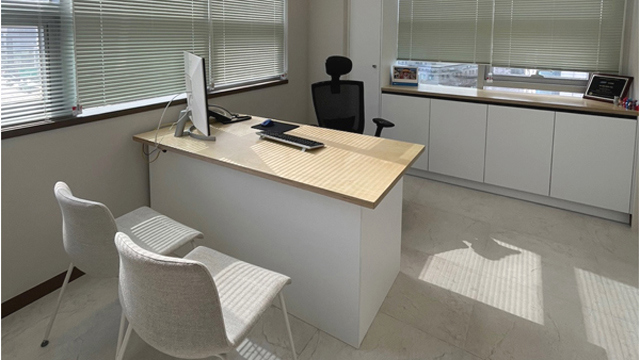
Women's mental health requires both clinical expertise and genuine sensitivity to the hormonal, relational, and life-stage dimensions that shape psychiatric presentations in women. At Samsung Gonggam Psychiatry Clinic, Dr. Chae Soohyun's specialized focus on women's mental health and Dr. Cho Hyunwook's broad mood disorder expertise together deliver the standard of care that women navigating postpartum depression, menopausal mood changes, and PMS deserve.
- Specialized women's mental health expertise — dedicated focus on postpartum depression, menopausal depression, and PMS within a hormonal and life-stage aware framework
- Stigma-free, empathy-led environment — for women who have been normalizing or minimizing symptoms that deserve clinical attention
- Individualized treatment — every plan developed collaboratively, with the patient's circumstances, preferences, and goals at the center
- Part of a trusted ten-clinic nationwide network grounded in Gonggam (공감) — delivering consistent, compassionate psychiatric care to women across all backgrounds
Your Mental Health Matters at Every Stage of Life — Care Starts Here
If hormonal changes or life transitions are affecting your mental health — effective, compassionate care is available. At Samsung Gonggam Psychiatry Clinic, the first step is a thorough consultation with a board-certified psychiatrist who will listen carefully, assess accurately, and work with you toward a plan that supports your wellbeing at this stage of your life.
[Book Your Women's Mental Health Consultation at Samsung Gonggam Psychiatry Clinic]
Contact our clinic today. Same-week appointments are available and no referral is required. You will be connected directly with our appointment team to find a time that works for you.
Other Services
Explore additional treatments offered by our specialists.

Alcohol Use Disorder
The term alcoholism is widely used but clinically imprecise.
Learn More

Stress Management
Stress is the physical and mental response that occurs when a person feels that what they are facing exceeds their capacity to cope.
Learn More

Binge Eating / Obesity
Binge eating and stress-related obesity are conditions where the psychological dimension is not secondary to the clinical picture — it is central to it.
Learn More