Personalized Medical Care & Dedicated International Patient Concierge


Specialty Overview
Bipolar Disorder Treatment
Bipolar disorder is one of the most complex and challenging mood disorders in psychiatry — characterized by extreme shifts in mood, energy, thinking, and behavior.
Schedule a Consultation
What Is Bipolar Disorder Treatment in Psychiatry?
Bipolar disorder is one of the most complex and challenging mood disorders in psychiatry — characterized by extreme shifts in mood, energy, thinking, and behavior that can range from intense emotional highs during manic episodes to profound lows during depressive episodes. Also known as bipolar affective disorder or manic-depressive illness, it is a condition that affects virtually every aspect of a person's life — relationships, work, physical health, and sense of self.
Bipolar disorder treatment in psychiatry refers to the clinical evaluation, accurate diagnosis, and structured long-term management of this condition using a combination of mood-stabilizing medication, evidence-based psychotherapy, and psychoeducation. Because bipolar disorder is a lifelong condition, effective treatment focuses not only on managing acute episodes but on achieving sustained stability — reducing the frequency and severity of mood swings, preventing relapse, and supporting the patient in building a full and meaningful life.
A critical aspect of bipolar disorder treatment is accurate diagnosis. In the early stages, bipolar disorder often presents as depression alone — leading to an initial misdiagnosis of depressive disorder. When manic or hypomanic episodes subsequently emerge, the diagnosis is revised and the treatment approach changes significantly. At Samsung Gonggam Psychiatry Clinic, our psychiatrists are experienced in recognizing the full clinical picture of bipolar disorder from the outset, ensuring that patients receive the right diagnosis and the right treatment as early as possible.
Advanced Bipolar Disorder Treatment — Manic Episodes, Depressive Episodes & Psychotherapy for Expert, Patient-Focused Care
Living with bipolar disorder can feel like being at the mercy of forces beyond your control. During manic episodes, patients may experience an intoxicating sense of energy and invincibility — only to find themselves dealing with the damaging consequences of impulsive decisions, strained relationships, and professional setbacks. During depressive episodes, the contrast can be devastating — plunging from that heightened state into profound hopelessness, exhaustion, and an inability to function in daily life.
Many patients with bipolar disorder spend years receiving incorrect or incomplete treatment before an accurate diagnosis is made. The unpredictability of mood episodes, the impact on relationships, and the fear of future episodes can make living with bipolar disorder deeply exhausting — even during stable periods.
At Samsung Gonggam Psychiatry Clinic, you do not have to face this alone. Our team understands the complexity and personal impact of bipolar disorder, and we are committed to providing a safe, non-judgmental space where every patient receives accurate diagnosis, comprehensive treatment, and the consistent long-term support needed to achieve genuine stability.
Specialty Services & Treatments for Bipolar Disorder
Manic Episode Management
A manic episode is a distinct period of abnormally elevated, expansive, or irritable mood and increased goal-directed activity or energy — lasting at least one week and present for most of the day, nearly every day. During a manic episode, patients may feel euphoric, invincible, and full of energy — but the behavioral consequences of mania can be severe and far-reaching.
Common symptoms of a manic episode include:
- Inflated self-esteem or grandiosity — an exaggerated sense of one's own abilities or importance
- Significantly decreased need for sleep — feeling rested after only a few hours
- More talkative than usual, with a feeling of pressure to keep talking
- Racing thoughts or flight of ideas — the mind jumping rapidly from one thought to the next
- Easily distracted by unimportant or irrelevant stimuli
- Increased goal-directed activity — taking on multiple projects, excessive socializing, or heightened sexual activity
- Impulsive, reckless behavior with high potential for harmful consequences — excessive spending, risky driving, or substance use
- In severe cases, psychotic features such as hallucinations or delusions
Managing acute manic episodes requires prompt psychiatric intervention. At Samsung Gonggam Psychiatry Clinic, our psychiatrists provide comprehensive evaluation and medication management to stabilize mood as safely and effectively as possible, alongside structured support to help patients and their families navigate the episode and its aftermath.
Depressive Episode Management
Depressive episodes in bipolar disorder can be clinically indistinguishable from major depressive disorder — yet they require a fundamentally different treatment approach. Using standard antidepressants alone in bipolar disorder without mood stabilization can trigger a switch into mania or rapid cycling, making accurate diagnosis and specialist management essential.
Common symptoms of a bipolar depressive episode include:
- Persistent sadness, tearfulness, or emotional emptiness
- Profound loss of interest or pleasure in previously enjoyed activities
- Significant fatigue and loss of energy
- Changes in appetite and weight
- Sleep disturbances — either insomnia or excessive sleep
- Difficulty concentrating, remembering, or making decisions
- Feelings of worthlessness, hopelessness, or excessive guilt
- In severe cases, recurrent thoughts of death or suicidal ideation
At Samsung Gonggam Psychiatry Clinic, depressive episodes in bipolar disorder are managed through carefully considered medication strategies that prioritize mood stabilization alongside depression relief — reducing the risk of triggering a manic switch while meaningfully addressing depressive symptoms.
Psychotherapy for Bipolar Disorder

Medication is essential in bipolar disorder management — but it is rarely sufficient on its own. Psychotherapy plays a critical and evidence-based role in helping patients understand their condition, recognize early warning signs of mood episodes, develop effective coping strategies, and build the interpersonal and lifestyle foundations that support long-term stability.
At Samsung Gonggam Psychiatry Clinic, psychotherapy for bipolar disorder is delivered by our board-certified psychiatrists and may include:
- Cognitive Behavioral Therapy (CBT) for Bipolar Disorder — Identifying and challenging the distorted thought patterns that arise during manic and depressive episodes, and developing practical strategies to manage mood fluctuations before they escalate
- Psychoeducation — Helping patients and their families understand bipolar disorder, recognize the early signs of mood episodes, and develop personalized relapse prevention plans
- Interpersonal Therapy — Addressing the relationship difficulties and life disruptions that frequently accompany bipolar disorder, and building stronger interpersonal foundations that support mood stability
- Mood Monitoring & Relapse Prevention — Structured approaches to tracking mood patterns over time, identifying personal triggers, and developing individualized strategies to reduce the risk and impact of future episodes
Psychotherapy for bipolar disorder is not a short-term intervention — it is an ongoing, evolving process that adapts to the patient's changing needs and circumstances over time. Our psychiatrists work collaboratively with each patient to ensure that psychotherapy remains relevant, effective, and genuinely supportive throughout the long-term management of their condition.
Why Choose Samsung Gonggam Psychiatry Clinic for Bipolar Disorder Treatment
- Elite Medical Training — Our psychiatrists trained at Samsung Seoul Hospital and Seoul National University Hospital, two of Korea's most prestigious medical institutions, bringing the highest clinical standards to every bipolar disorder consultation.
- Accurate Early Diagnosis — Bipolar disorder is frequently misdiagnosed in its early stages. Our psychiatrists conduct thorough evaluations to identify the full clinical picture — including the distinction between bipolar disorder and unipolar depression — before treatment begins.
- Integrated Medication & Psychotherapy — We combine evidence-based mood-stabilizing medication with structured psychotherapy and psychoeducation, delivering a comprehensive treatment approach that addresses both the biological and psychological dimensions of bipolar disorder.
- Long-Term Stability Focus — Our treatment philosophy extends beyond managing acute episodes. We work with every patient toward the long-term goal of sustained mood stability, reduced relapse risk, and an improved quality of life.
- Inclusive Care for International Patients — Since 2021, Samsung Gonggam Psychiatry Clinic has welcomed patients from across the Americas, Europe, the Middle East, Africa, and Asia, with genuine commitment to culturally sensitive, barrier-free psychiatric care.
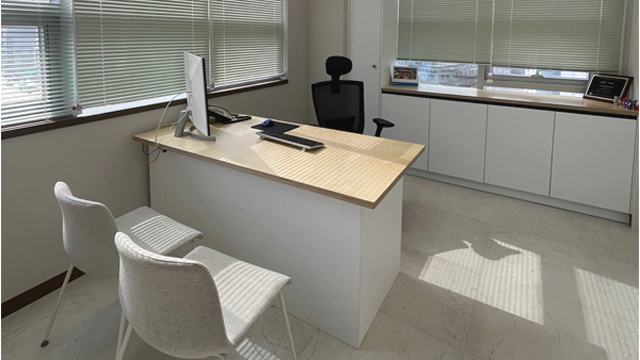
- Safe, Supportive Outpatient Environment — Our clinic provides a calm, non-judgmental space where patients living with bipolar disorder feel genuinely understood and consistently supported — both during acute episodes and in the stable periods between them.
Meet the Specialists in Bipolar Disorder Treatment
|
|
Dr. Hyunwook Cho MD MSc. Medical Doctor, | Dr. Soohyun Chae MD MSc. Medical Doctor, |


Dr. Hyunwook Cho — Chief Director & Board-Certified Psychiatrist
- Adjunct Professor, Department of Psychiatry, Samsung Seoul Hospital
- Master of Medicine, Sungkyunkwan University
- Psychiatric residency completed at Samsung Seoul Hospital
- Extensive experience across military, general, and outpatient psychiatric settings
- Full member, Korean Neuropsychiatric Association
- Full member, Korean Association for Analytic Psychotherapy
- Former Chief of Psychiatry, Armed Forces Hongcheon Hospital
Dr. Hyunwook Cho brings a broad and deeply experienced clinical perspective to bipolar disorder treatment. His background across diverse psychiatric settings — including experience with complex mood disorders requiring careful long-term management — gives him a nuanced understanding of how bipolar disorder presents, evolves, and responds to integrated treatment over time.
Dr. Soohyun Chae — Director & Board-Certified Psychiatrist
- Graduate, Seoul National University School of Medicine
- Psychiatric residency completed at Seoul National University Hospital
- Ph.D. candidate, Seoul National University School of Medicine
- Specialized focus on child and adolescent psychiatry
- Full member, Korean Academy of Child and Adolescent Psychiatry
- Former physician, Seoul Sunflower Center
- Former community mental health physician, Mokpo City
Dr. Soohyun Chae's research-informed approach and community mental health background give her a particularly patient-centered perspective on bipolar disorder management — with experience supporting patients across a wide range of life circumstances and developmental stages.
Together, Dr. Cho and Dr. Chae share a care philosophy grounded in empathy, clinical rigor, and the belief that every patient living with bipolar disorder deserves compassionate, evidence-based psychiatric support and the opportunity to achieve genuine, lasting stability.
International Patients & Global Support for Bipolar Disorder Treatment
Samsung Gonggam Psychiatry Clinic has consistently supported international patients seeking psychiatric care in Seoul since 2021. We understand that managing bipolar disorder while living abroad — navigating an unfamiliar healthcare system, often in a second language, without an established local support network — presents unique and significant challenges.
- Multilingual-Friendly Environment — Experienced in working with patients from diverse linguistic and cultural backgrounds, ensuring communication is clear, comfortable, and never a barrier to care.
- Flexible Consultation Options — Formats tailored to the practical needs of international patients, including those new to the Korean healthcare system or managing the demands of expat life alongside their condition.
- Continuity of Care Across Borders — Structured follow-up support for patients who return home after initial treatment, ensuring mood stability and treatment plans are maintained across the transition.
- Inclusive, Culturally Sensitive Environment — Every element of our clinical approach is designed to ensure that international patients feel genuinely respected, understood, and supported throughout their care.
From your first contact with our team through to your long-term management, Samsung Gonggam Psychiatry Clinic is committed to providing a safe, seamless, and culturally sensitive experience for international patients seeking bipolar disorder treatment in Seoul.
Real Patient Journeys for Bipolar Disorder Treatment
A Patient Whose Bipolar Disorder Was Initially Diagnosed as Depression
A patient in their late twenties first presented to a psychiatric service following a prolonged depressive episode characterized by exhaustion, loss of motivation, and increasing hopelessness. An initial diagnosis of major depressive disorder was made and antidepressant treatment was commenced. Over the following months, the patient developed a distinct manic episode — marked by significantly reduced sleep, racing thoughts, impulsive financial decisions, and elevated mood. Following a comprehensive evaluation at Samsung Gonggam Psychiatry Clinic, a revised diagnosis of bipolar disorder was confirmed. A structured treatment plan combining mood-stabilizing medication and CBT-based psychotherapy was initiated, and the patient achieved meaningful and sustained mood stability over time.
An Expat Professional Managing Bipolar Disorder Away From Home
A patient in their mid-thirties, living in Seoul as an expatriate, presented having been previously diagnosed with bipolar disorder in their home country but having lost continuity of care following their relocation. The disruption of the move, combined with workplace stress and the absence of their usual support network, had contributed to increasing mood instability. At Samsung Gonggam Psychiatry Clinic, the patient's existing diagnosis and treatment history were carefully reviewed, and a personalized management plan — combining medication adjustment and psychotherapy — was developed. Over several months, the patient reported a meaningful return to mood stability and improved daily functioning.
What to Expect from the Bipolar Disorder Treatment Process
Step 1 — Initial Psychiatric Consultation
Your first appointment involves a comprehensive psychiatric evaluation covering your mood history, the nature and pattern of your episodes, personal and medical background, and the ways in which bipolar disorder has been affecting your daily life. For patients presenting with depression alone, our psychiatrists take particular care to explore the full clinical picture — including any past periods of elevated mood or energy that may indicate bipolar disorder. By the end of your first visit, you will have a clear and honest understanding of your diagnosis and the treatment options available.
Step 2 — Personalized Bipolar Disorder Treatment Plan
Based on your evaluation, your psychiatrist will develop a treatment plan tailored to your specific diagnosis, episode pattern, lifestyle, and goals. This will typically combine mood-stabilizing medication to reduce the frequency and severity of mood episodes with structured psychotherapy — including CBT, psychoeducation, and interpersonal approaches — to build the psychological skills and self-awareness that support long-term stability. For patients with a history of severe manic episodes, crisis intervention planning will also be incorporated from the outset.
Step 3 — Ongoing Monitoring & Long-Term Support
Bipolar disorder is a lifelong condition — and long-term, consistent psychiatric support is essential to sustained stability. Our psychiatrists provide regular follow-up appointments to monitor mood patterns, adjust medication as needed, and continue psychotherapeutic work as your circumstances and goals evolve. Whether you are managing a current episode, working to prevent the next, or consolidating a period of stability, Samsung Gonggam Psychiatry Clinic remains a reliable and compassionate partner in your long-term care.
Take the First Step Toward Stability & a Fuller Life with Bipolar Disorder
Bipolar disorder is a serious condition — but with the right diagnosis, the right treatment, and consistent long-term support, genuine stability is achievable. At Samsung Gonggam Psychiatry Clinic, our board-certified psychiatrists are here to listen carefully, evaluate thoroughly, and work with you to build a personalized bipolar disorder treatment plan that truly reflects your needs, your history, and your goals. Whether you are experiencing your first mood episode, seeking a second opinion, or looking to re-establish continuity of care, our team is ready to support you — with clinical expertise, compassion, and a genuine commitment to your long-term wellbeing. Take the first step today.
Related Services
Procedures available within our clinical departments.

Alcohol Use Disorder
The term alcoholism is widely used but clinically imprecise.
Learn More

Stress Management
Stress is the physical and mental response that occurs when a person feels that what they are facing exceeds their capacity to cope.
Learn More

Binge Eating / Obesity
Binge eating and stress-related obesity are conditions where the psychological dimension is not secondary to the clinical picture — it is central to it.
Learn More