Personalized Medical Care & Dedicated International Patient Concierge


Specialty Overview
Schizophrenia Treatment
Schizophrenia is a serious and complex mental illness that causes wide-ranging clinical abnormalities across multiple dimensions of a person's experience — including thinking, perception, emotion, and behavior.
Schedule a Consultation
What Is Schizophrenia Treatment in Psychiatry?
Schizophrenia is a serious and complex brain disorder that causes wide-ranging clinical abnormalities across thinking, perception, emotion, and behavior. It is not a single, uniform disease but a group of related conditions sharing common features — each presenting differently across individuals and over time.
Because the brain regulates all mental and physical functions, abnormalities within it can produce symptoms that span a broad clinical spectrum — from hallucinations and delusions to emotional withdrawal, cognitive decline, and difficulties with daily functioning. Schizophrenia treatment in psychiatry refers to the clinical evaluation, accurate diagnosis, and structured long-term management of this condition through medication, psychotherapy, cognitive rehabilitation, and consistent ongoing support.
At Samsung Gonggam Psychiatry Clinic, our psychiatrists deliver comprehensive schizophrenia care addressing the full clinical picture — from the earliest signs of psychosis through to long-term maintenance and recovery.
Advanced Schizophrenia Treatment for Expert, Patient-Focused Care
Schizophrenia is one of the most misunderstood psychiatric conditions — surrounded by stigma that too often prevents patients and families from seeking the help they need. The reality is that schizophrenia is a medical condition of the brain, not a character flaw, and with the right treatment and consistent support, many people living with schizophrenia achieve meaningful stability and lead fulfilling lives.
For patients and families navigating a new diagnosis, the experience can feel overwhelming and frightening. For those managing the condition long-term, sustaining stability — maintaining medication, preventing relapse, and preserving social and occupational functioning — can be exhausting and isolating.
At Samsung Gonggam Psychiatry Clinic, no patient or family has to face schizophrenia alone. We provide a calm, non-judgmental environment where every patient receives accurate diagnosis, comprehensive treatment, and the consistent long-term care needed to achieve the best possible quality of life.
Specialty Services & Treatments for Schizophrenia
Hallucinations & Delusions Management
Hallucinations and delusions are positive symptoms of schizophrenia — symptoms in which distorted mental functioning is dramatically expressed outward. They represent the brain generating experiences and beliefs that have no basis in external reality, yet feel completely real to the patient experiencing them.
Common positive symptoms include:
- Auditory hallucinations — Hearing voices that others cannot hear, often commenting on actions or issuing commands
- Visual or tactile hallucinations — Seeing things or feeling physical sensations with no external cause
- Persecutory delusions — A firmly held belief of being watched, followed, or plotted against
- Grandiose delusions — An exaggerated belief in one's own special powers or importance
- Disorganized thinking — Incoherent speech, illogical responses, or talking past the point
Managing positive symptoms requires prompt, carefully calibrated antipsychotic medication alongside psychological support. Our psychiatrists conduct thorough evaluations to identify the specific nature and severity of symptoms before developing a targeted treatment plan.
Emotional & Social Withdrawal Treatment
Negative symptoms arise from the loss or absence of normal mental functioning — and while less dramatic than hallucinations or delusions, they can be equally disabling in their impact on daily life, relationships, and the ability to work or study.
Common negative and cognitive symptoms include:
- Emotional blunting and reduced expressiveness
- Poverty of speech and reduced spontaneous communication
- Loss of motivation, initiative, and ability to experience pleasure
- Social withdrawal and disengagement from relationships
- Reduced concentration, impaired memory, and diminished problem-solving ability
- Neglect of personal hygiene and self-care
At Samsung Gonggam Psychiatry Clinic, negative and cognitive symptoms are addressed through medication optimization, structured psychotherapy, and practical social skills support — targeting both the clinical symptoms and their real-world functional impact.
Long-Term Schizophrenia Maintenance
Long-term maintenance is the cornerstone of effective schizophrenia care. The goals are to prevent relapse, sustain the gains of acute treatment, and support each patient in achieving the highest possible level of functioning and quality of life over time.
Long-term schizophrenia maintenance at Samsung Gonggam Psychiatry Clinic includes:
- Ongoing Medication Management — Regular review and adjustment of antipsychotic medication to maintain effectiveness while minimizing side effects and supporting adherence
- CBT for Schizophrenia — Structured psychotherapy targeting thought patterns, beliefs, and coping strategies — helping patients develop insight, manage residual symptoms, and reduce distress
- Cognitive Rehabilitation — Structured exercises addressing memory, attention, and problem-solving difficulties to support improved daily functioning
- Social Skills Training — Practical support to rebuild and maintain the interpersonal skills needed for meaningful social and occupational participation
- Psychoeducation for Patients & Families — Helping patients and families understand schizophrenia, recognize early warning signs of relapse, and develop personalized strategies for maintaining stability
- Relapse Prevention Planning — Identifying individual triggers, monitoring early warning signs, and establishing clear action plans to minimize the impact of future episodes
Why Choose Samsung Gonggam Psychiatry Clinic for Schizophrenia Treatment
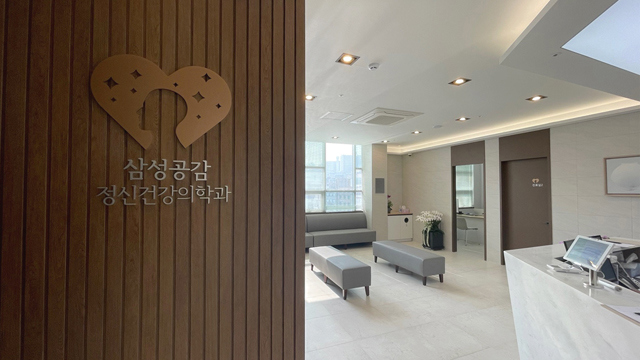
- Elite Medical Training — Our psychiatrists trained at Samsung Seoul Hospital and Seoul National University Hospital, two of Korea's most prestigious medical institutions.
- Comprehensive Symptom Management — We address the full spectrum of schizophrenia symptoms — positive, negative, cognitive, and residual — ensuring no aspect is overlooked or undertreated.
- Integrated Treatment Approach — Antipsychotic medication management combined with CBT, cognitive rehabilitation, social skills training, and psychoeducation for truly comprehensive care.
- Long-Term Maintenance Focus — Committed to the sustained wellbeing of every patient, providing consistent care that evolves with their needs and circumstances over time.
- Inclusive Care for International Patients — Since 2021, our clinic has welcomed patients from across the Americas, Europe, the Middle East, Africa, and Asia, with genuine commitment to culturally sensitive, barrier-free care.
- Family-Inclusive Approach — We involve family members in psychoeducation and support, helping build a stronger care network around every patient.
Meet the Specialists in Schizophrenia Treatment
|
|
Dr. Hyunwook Cho MD MSc. Medical Doctor, | Dr. Soohyun Chae MD MSc. Medical Doctor, |
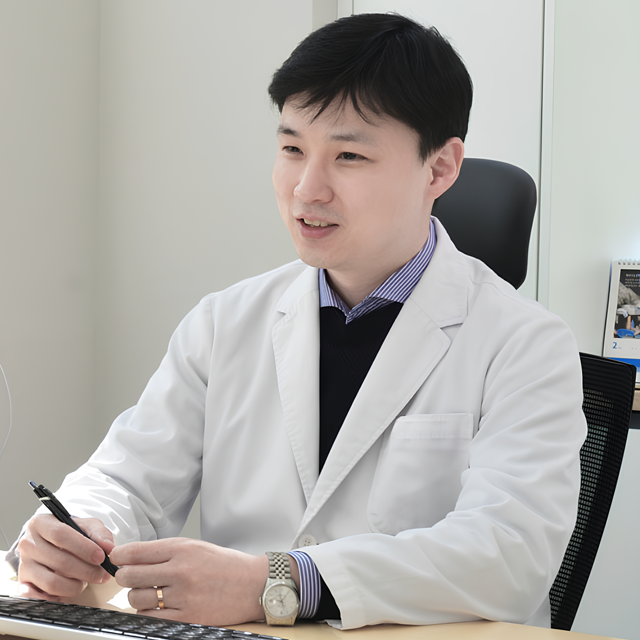

Dr. Hyunwook Cho — Chief Director & Board-Certified Psychiatrist
- Adjunct Professor, Department of Psychiatry, Samsung Seoul Hospital
- Master of Medicine, Sungkyunkwan University
- Psychiatric residency completed at Samsung Seoul Hospital
- Extensive experience across military, general, and outpatient psychiatric settings
- Full member, Korean Neuropsychiatric Association
- Full member, Korean Association for Analytic Psychotherapy
- Former Chief of Psychiatry, Armed Forces Hongcheon Hospital
Dr. Hyunwook Cho brings extensive experience in diagnosing and managing complex psychiatric conditions including schizophrenia — across military, general hospital, and outpatient settings — giving him broad exposure to the full range of presentations from first-episode psychosis through to long-term maintenance.
Dr. Soohyun Chae — Director & Board-Certified Psychiatrist
- Graduate, Seoul National University School of Medicine
- Psychiatric residency completed at Seoul National University Hospital
- Ph.D. candidate, Seoul National University School of Medicine
- Specialized focus on child and adolescent psychiatry
- Full member, Korean Academy of Child and Adolescent Psychiatry
- Former physician, Seoul Sunflower Center
- Former community mental health physician, Mokpo City
Dr. Soohyun Chae's research background and community mental health experience give her a patient-centered perspective on schizophrenia care — with experience supporting patients and families across a wide range of life circumstances, including early-onset presentations in younger patients.
Together, Dr. Cho and Dr. Chae share a care philosophy grounded in empathy, clinical rigor, and the conviction that every person living with schizophrenia deserves compassionate, evidence-based support and a genuine opportunity to live well.
International Patients & Global Support for Schizophrenia Treatment
Samsung Gonggam Psychiatry Clinic has consistently supported international patients seeking psychiatric care in Seoul since 2021. For patients managing schizophrenia while living abroad — navigating an unfamiliar healthcare system without an established local support network — continuity of care and culturally sensitive support are particularly critical.
- Multilingual-Friendly Environment — Experienced in working with patients and families from diverse linguistic and cultural backgrounds.
- Flexible Consultation Options — Formats tailored to international patients, including those managing complex care needs from abroad.
- Continuity of Care Across Borders — Structured follow-up support ensuring medication management and psychosocial support are maintained across transitions.
- Inclusive, Culturally Sensitive Environment — Every element of our approach ensures international patients and families feel respected, understood, and supported.
Real Patient Journeys for Schizophrenia Treatment
A Young Adult Presenting with First-Episode Psychosis
A patient in their early twenties was brought to the clinic by their family following several weeks of social withdrawal, disorganized speech, and a growing conviction of being watched. A comprehensive evaluation confirmed first-episode schizophrenia. Antipsychotic medication was carefully initiated alongside psychoeducation for the patient and family. Over several months, positive symptoms reduced significantly and the patient began re-engaging with daily activities. Long-term maintenance planning was established to support ongoing stability.
An Established Patient Seeking Continuity of Care in Seoul
A patient in their mid-thirties, living in Seoul as an expatriate, had managed schizophrenia with medication and outpatient support in their home country for several years. Following relocation, continuity of care had been lost. At Samsung Gonggam Psychiatry Clinic, the patient's full history and existing treatment plan were carefully reviewed. Medication management was continued and adjusted where appropriate, and regular long-term maintenance appointments were established — providing the consistent psychiatric support needed to maintain stability in a new environment.
What to Expect from the Schizophrenia Treatment Process

Step 1 — Initial Psychiatric Consultation
Your first appointment involves a comprehensive evaluation covering the nature, onset, and pattern of symptoms — positive, negative, and cognitive — alongside personal, medical, and family history. For patients with an existing diagnosis, previous treatment history and current medication are carefully reviewed. By the end of your first visit, you will have a clear understanding of your diagnosis and recommended treatment approach — explained in plain language, with space for questions and no pressure.
Step 2 — Personalized Schizophrenia Treatment Plan
Based on your evaluation, your psychiatrist will develop a treatment plan tailored to your symptom profile, history, lifestyle, and goals. For patients with active positive symptoms, antipsychotic medication management is prioritized to stabilize the acute episode. Psychotherapy, cognitive rehabilitation, and psychoeducation are then introduced and built upon as stability is achieved — creating a comprehensive, integrated plan addressing every dimension of the patient's experience.
Step 3 — Ongoing Monitoring & Long-Term Maintenance
Long-term, consistent psychiatric care is the foundation of effective schizophrenia management. Our psychiatrists provide regular follow-up appointments to monitor symptoms, review and adjust medication, continue psychotherapeutic work, and support both the patient and their family. Relapse prevention planning is reviewed and updated regularly — ensuring every patient has a clear, personalized strategy for maintaining stability and responding to any emerging warning signs.
Take the First Step Toward Stability & a Better Quality of Life with Schizophrenia
Schizophrenia is a serious condition — but with the right diagnosis, treatment, and long-term support, genuine stability is achievable. At Samsung Gonggam Psychiatry Clinic, our board-certified psychiatrists are here to listen, evaluate thoroughly, and work with you and your family to build a personalized schizophrenia treatment plan designed for lasting stability. Whether you are navigating a first episode of psychosis, seeking a second opinion, or re-establishing continuity of long-term care, our team is ready to help — with clinical expertise, compassion, and an unwavering commitment to your wellbeing. Take the first step today.
Related Services
Procedures available within our clinical departments.

Alcohol Use Disorder
The term alcoholism is widely used but clinically imprecise.
Learn More

Stress Management
Stress is the physical and mental response that occurs when a person feels that what they are facing exceeds their capacity to cope.
Learn More

Binge Eating / Obesity
Binge eating and stress-related obesity are conditions where the psychological dimension is not secondary to the clinical picture — it is central to it.
Learn More